
Funny Animal German Names
The German language makes sense and gives us sense. It gifted us with words like Weltanschauung, Zeitgeist, and Weltschmerz. With them, we expanded our limits of knowledge.
But when it comes to animals, Germans were so preoccupied with whether they could, they didn’t stop to think if they should.
Wash Bear
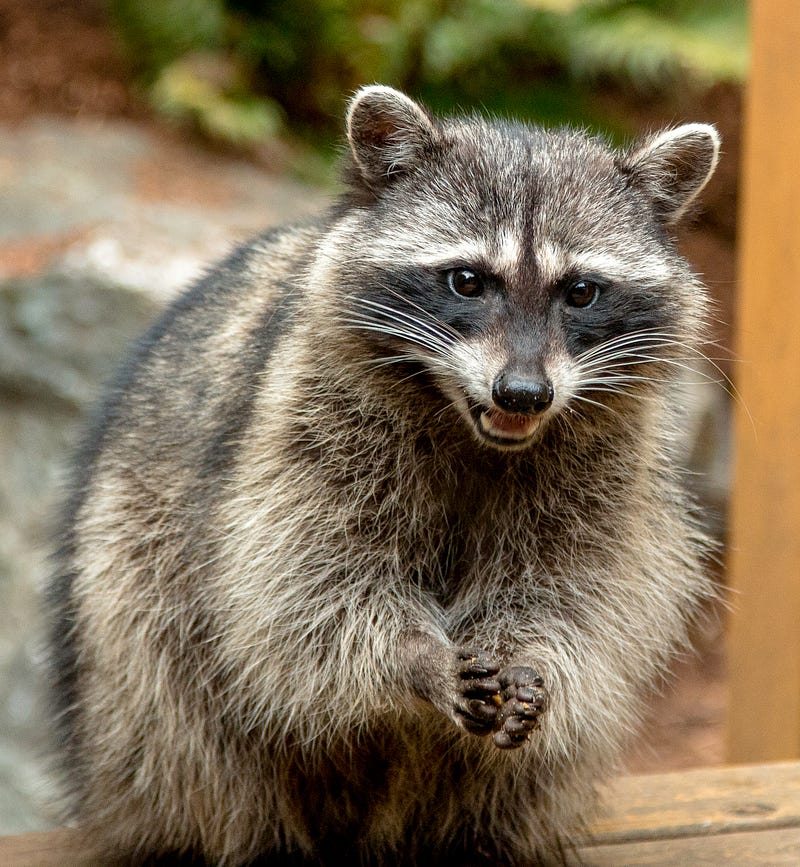
You know this one. It is that bear that rubs its paws. It rubs them as if savoring its loot.
Unless it is laundering money, I don’t see him as washing though. Sorry if I peg it as a criminal. Why else would it wear a cute highwayman mask?
It is the raccoon or Waschbär.
River Horse
Imagine going to Africa back when the known world was small.
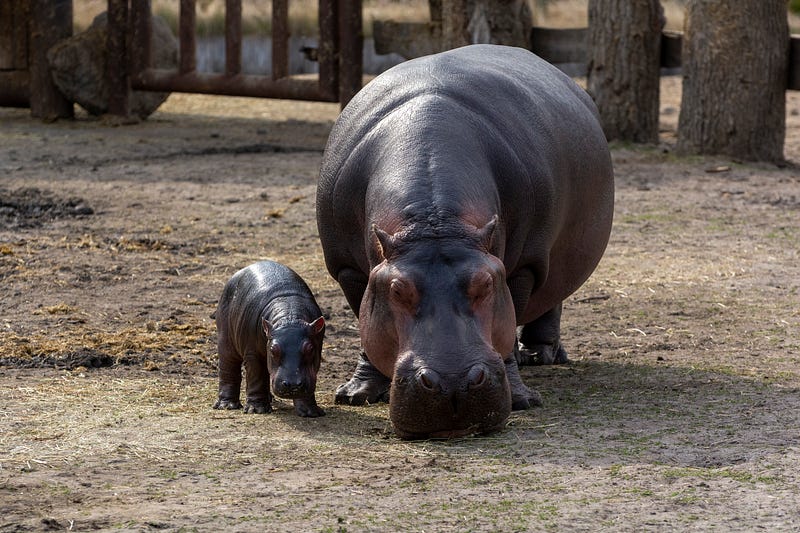
In a river, you see a massive animal. It surfaces from the water and runs.
“It looks like a horse,” said no one ever.
So, I guess all Europeans went with river horse. Hippopotamus means river horse. It comes from the Greek.
The German-speaking people decided to Germanize it. They went with Flußpferd. It is a literal translation.
Shield Toad
Of all the abominations, this name competes for the podium. Try to imagine for a moment a shielded toad.
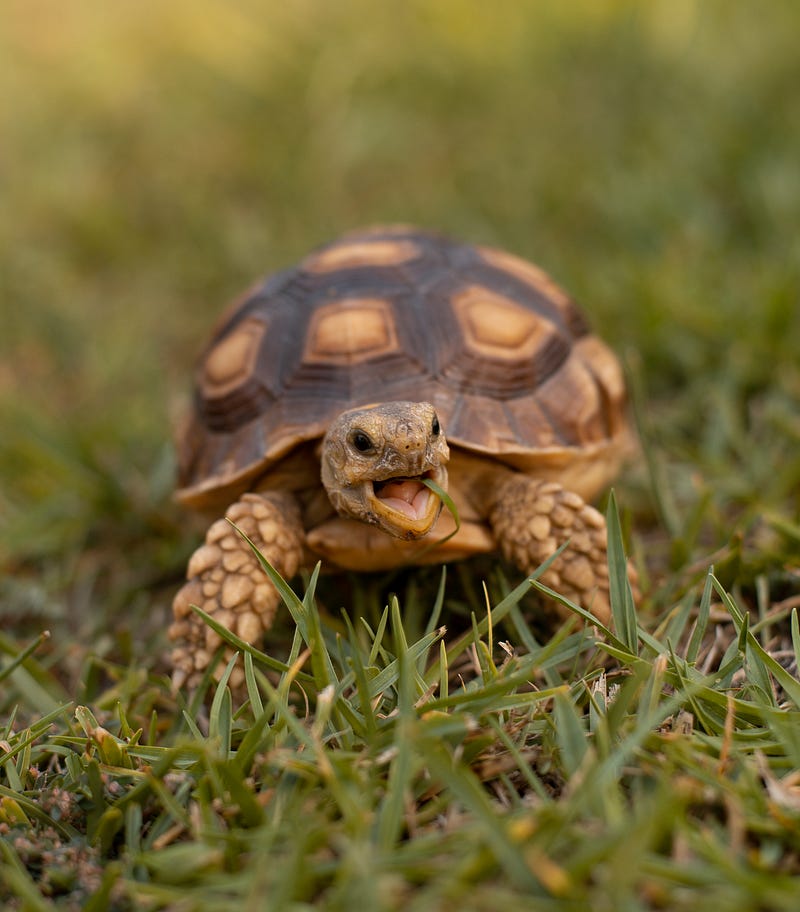
What would it look like? If the toad is scared, it hides behind its shield. (It’s more of a carapace though, but Germans went with shield.)
What animal is it?
I’m pretty sure you thought of a tortoise. Because what else would it be?!
I told you German makes sense.
Schildkröte for our German friends.
Flutter Mouse
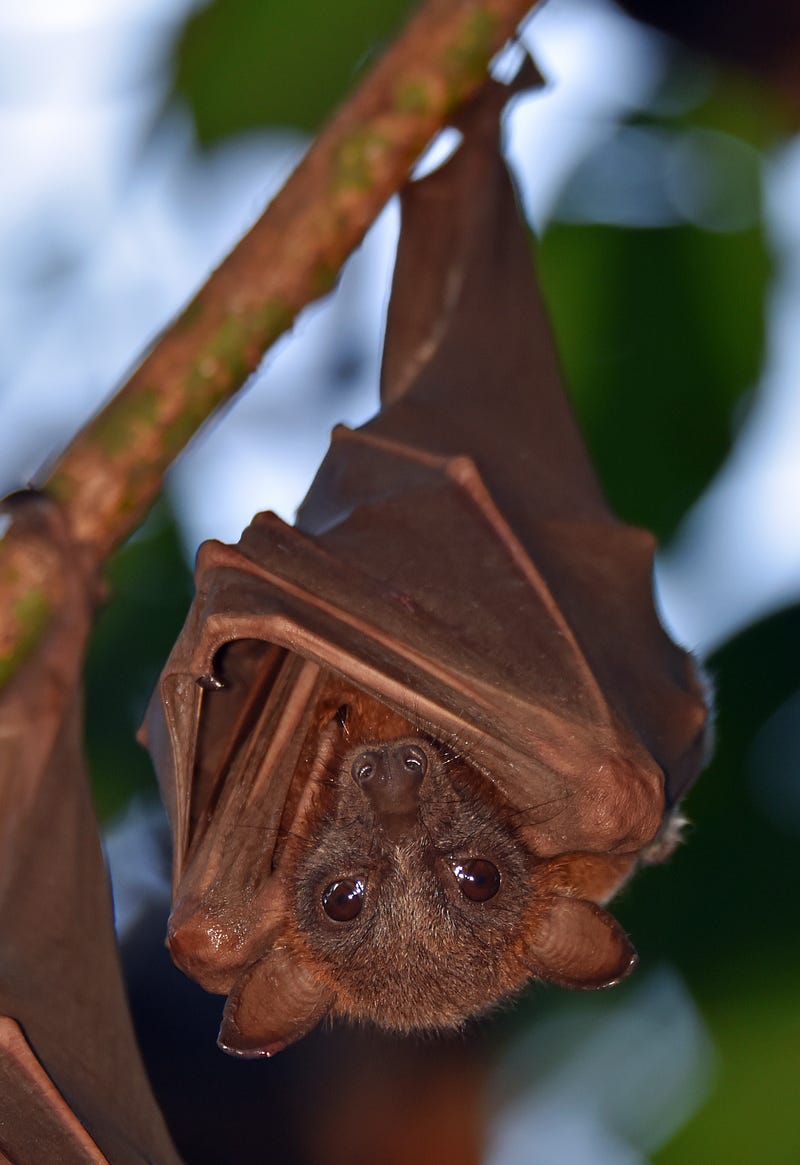
Ok, your imagination is now being pushed to the limits. It looks like a mouse, except it flutters. It flutters because it has wings.
Do you know which animal it is?
Of course a bat or Fledermaus.
Belt Animal
You can make belts out of them. It has been done. But luckily the name doesn’t come from this fact.
Knowing German (and their weird logic in naming animals), I think it should be called shielded piglet or Schildschweinchen.
But I don’t have a say in the matter.
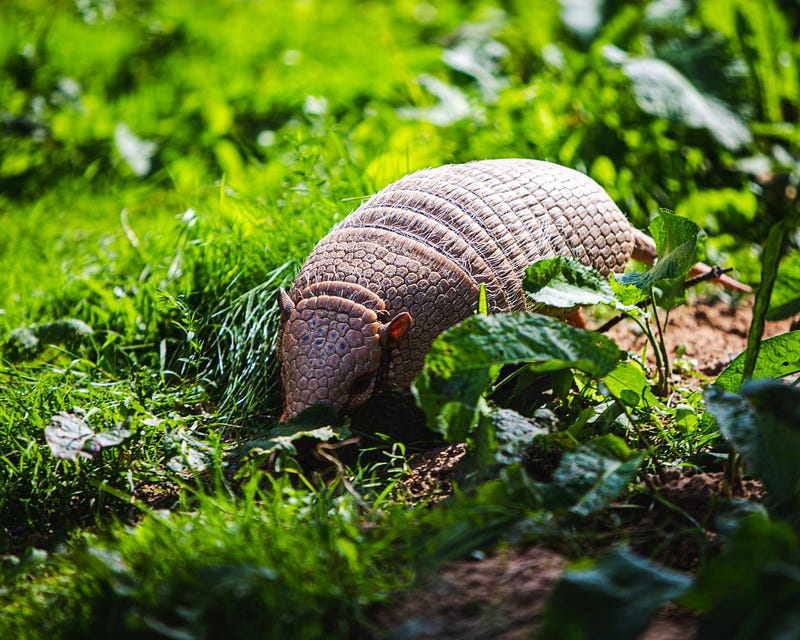
So, it is an animal with multiple belts. The belts are lined up across its body. They surround the animal like big rings. These belts give it mobility and armor.
What animal is it?
Not sure yet? These belts allow the animal to roll into a ball.
It is an armadillo or Gürteltier.
Water Pig
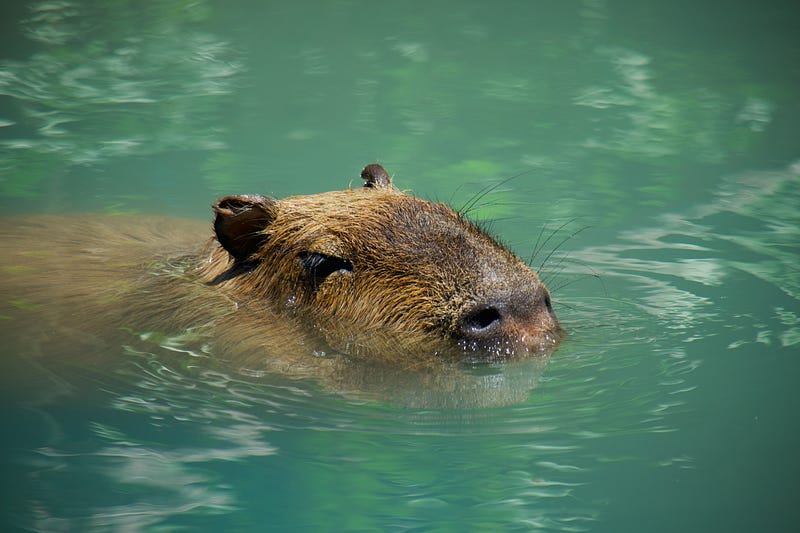
They live in wetlands; so, they are semi-aquatic. Their bodies are shaped like a pig’s and are also closely related to them.
But they are rodents — in fact, the largest on Earth. They even have harmless adorable rodent faces.
These “pigs" feed on grass, are very social, and are friendly towards other species.
They mostly live in South America, and there is a small population living in Florida.
Do you know which animal is it?
We call them capybaras; Germans, Wasserschwein.
Ocean Piglet
First off, this animal doesn’t live in water, much less in the ocean. They can swim, but prefer not to.
These animals had to cross the Atlantic Ocean to reach Europe. Also, they have a resemblance to the Wasserschwein so that makes (German) sense.
They kind of look like tiny pigs or piglets.
For us, they are guinea pigs. Germans call them Meerschweinchen or Hausmeerschweinchen.

Even the guinea pig is confused.
Beak Animal
How many animals have beaks?
Birds would be the most obvious answer, but there are thousands of them. “Beak animal” doesn’t narrow down our choices.
But I’ll tell you a clue: It is a mammal. To make matters more confusing, it lays eggs. But it is not a bird.
It has a duck-bill that resembles a beak, but unlike birds this bill is rubbery.
Additionally, it is venomous. Its venom can paralyze smaller animals. In humans, it can cause excruciating pain.
What is it?
It is a platypus. The name means flat feet because of their flattened and webbed feet. In German, they went with their most prominent feature, their beak. It’s called Schnabeltier.
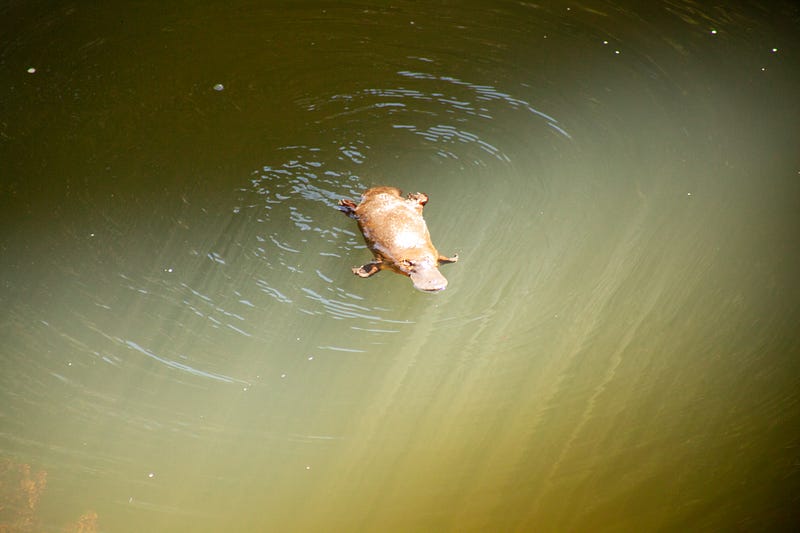
Platypuses are fascinating animals, I leave a video here in case you want to learn more about them.


