avatarSimpleThought

Summary

Honey's unique composition, including its low moisture and acidic pH, gives it antimicrobial properties that prevent spoilage, allowing it to remain edible for thousands of years.

Abstract

Honey is renowned for its time-defying properties, as evidenced by the discovery of edible honey in ancient Egyptian tombs dating back over 3,000 years. Its longevity is attributed to a combination of factors: a high sugar content and low water content that create an unfavorable environment for bacteria, and an acidic pH that further hinders microbial growth. The process by which bees contribute to honey's preservation includes the addition of enzymes to nectar, conversion to simple sugars, and reduction of water content through wing-flapping-induced air circulation. This natural preservation has not only ensured honey's lasting edibility but also imbued it with cultural significance as a symbol of longevity and immortality.

Opinions

  • The author suggests that honey's antimicrobial properties are a key factor in its ability to withstand spoilage over millennia.
  • The text implies a sense of wonder and admiration for honey's enduring nature, emphasizing its role as a "timeless food."
  • The article conveys that honey is more than just a sweetener; it is a culturally significant substance with connotations of eternal life and preservation.

Fun Fact For The Day: Exploring the Time-Defying Properties of Honey
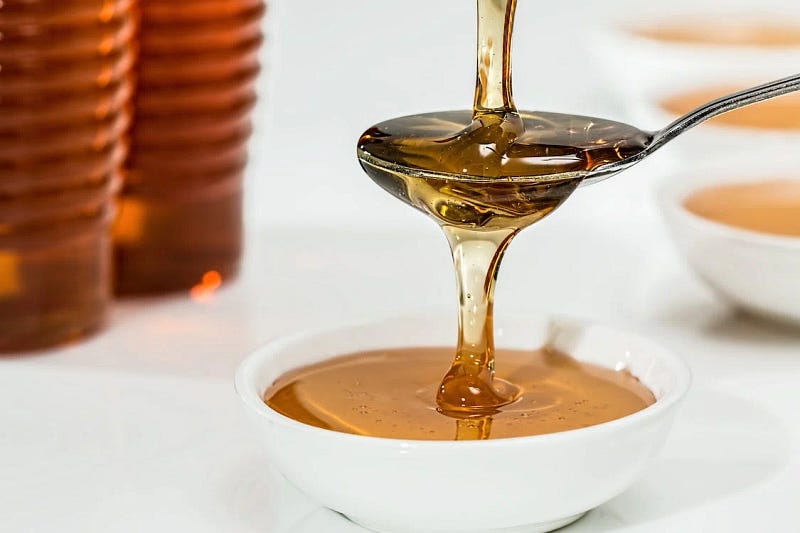
from pexels.com

Did you know that honey never spoils? Archaeologists have discovered pots of honey in ancient Egyptian tombs that are over 3,000 years old and still perfectly edible. The secret lies in the unique composition of honey. It’s a natural preservative with antimicrobial properties that inhibit the growth of microorganisms.

Honey’s low water content and acidic pH create an inhospitable environment for bacteria and other spoilage agents. Bees play a crucial role in this process by adding enzymes to the nectar they collect, breaking it down into simple sugars, and lowering the water content. Once stored in the honeycomb, the bees flap their wings to create air circulation, further reducing moisture.

This remarkable ability to resist decay has not only made honey a sweet treat throughout human history but also a symbol of longevity and immortality in various cultures. So, the next time you enjoy a spoonful of honey in your tea or drizzle it over your pancakes, you’re not just savoring a delicious treat — you’re indulging in a timeless food that defies the passage of time itself.

That’s all for today, thank you for reading! :)

Honey
Fun Facts
Recommended from ReadMedium