Summary
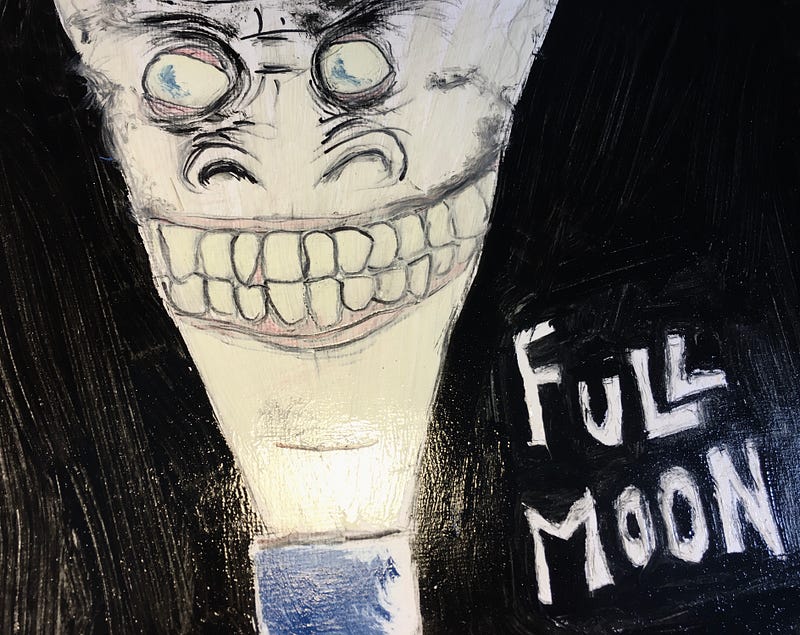
The text is a poetic reflection on the inner turmoil of a domesticated wolf-like creature during a full moon, juxtaposing the wild instincts with the constraints of a civilized life, and hinting at an impending transformation or uprising.
Abstract
The poem "Full Moon" by Josh Lonsdale delves into the conflicted psyche of a creature reminiscent of a wolf, who is torn between the wild call of the full moon and the domesticated life it leads. The creature, symbolized as a wolf, grapples with the societal expectations that keep it leashed and bound to promises of security, represented by a "lifelong bone." As the moon turns blood red, the creature feels the pull of its primal nature, preparing for a night that the "good book" prophesies as the end-times. The poem suggests that the creature is on the verge of embracing its true nature, possibly as a werewolf, amidst a world where survival of the fittest prevails and where "flesh-eaters" lurk, driven by their base instincts. The final lines culminate in the realization that there has never been a better time to embrace the wild, primal self, hinting at a transformation that is both inevitable and liberating.
Opinions
- The author conveys a sense of despair and entrapment for the wolf who has succumbed to domesticity, viewing it as a betrayal of its true nature.
- There is a critique of the false promises of comfort and stability ("lifelong bone") that civilization offers, suggesting they are illusory and stifling.
- The poem reflects a longing for a return to primal instincts and the freedom they represent, as seen in the anticipation of the "good book" prophecy and the transformation into a werewolf.
- The text implies a disdain for those who choose to ignore their instinctual selves in favor of a sanitized, civilized existence.
- The author seems to celebrate the idea of embracing one's wild side, especially in the face of societal norms and expectations.