
Fueling Your Fitness: The Power of Pre-Workout Nutrition
With an emphasis on plant-based options (Part 1 of 3)
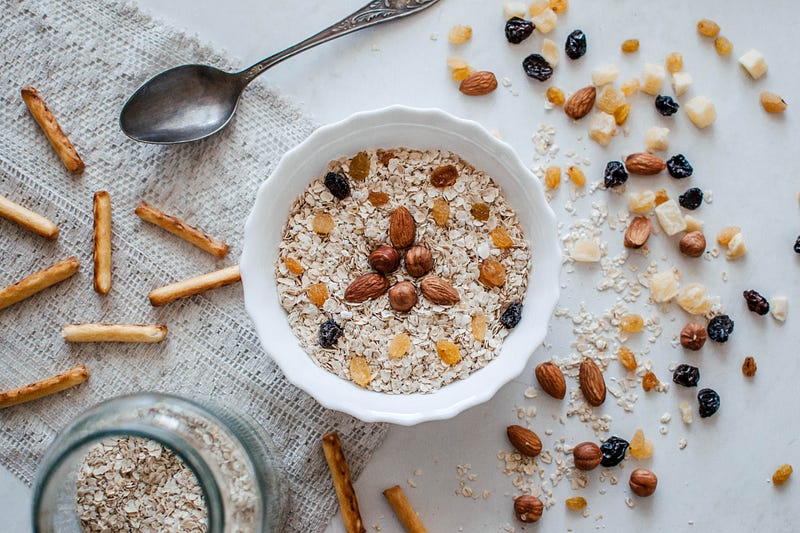
Whether you’re vegan or just veg-curious, you might wonder how to integrate a plant-based diet with an active lifestyle. Having worked with athletes (as a triathlon/running coach) and gen pop (as a personal trainer and fitness instructor), I’ve formed the opinion that vegans have a bit of an advantage when it comes to fueling their workouts.
In this article, we’ll take a look at pre-workout nutrition. What you eat before you exercise plays a crucial role in helping you get the most out of your training sessions. Understanding the essential components of effective pre-workout nutrition will help you plan your fueling so that you perform at your best, whether or not you choose plant-based foods.
The advice in this series is based on science, my experience, and the experience of experts in this field. We do not exclude any macronutrients, and we focus on primarily whole foods.
It’s never a bad idea to consult with a registered dietitian or nutritionist to develop a personalized nutrition plan that best suits your needs and goals. But I think that with some foundational knowledge, we can usually do a decent job of handling our own nutrition plans.
Why is Pre-Workout Nutrition Important?
Pre-workout nutrition is vital for several reasons.
It provides your body with calories (i.e., energy), primarily in the form of fast-acting carbohydrates. Carbohydrates are metabolized and stored in your muscles as glycogen. When you engage in activity, your body can access that stored glycogen to keep you going.
Appropriate fueling will not only make you perform better and feel better during workouts, but will also accelerate your recovery afterwards.
Your pre-workout meals and snacks are also opportunities to top up on electrolytes (sodium, magnesium, and potassium) via foods or beverages.
Timing is Everything
Have you ever scarfed down a burrito bowl and then immediately gone for a run?
I have. I puked.
Eating too close to your workout can lead to digestive discomfort and Exorcist-style vomiting. But eating too early might leave you feeling low on energy during your session.
The following guidelines are not gospel, but they work for most people most of the time.
- Eat your last big meal about 4 hours before you plan to workout. This can be a regular meal with protein, carbohydrates, and fat.
- Eat a light, quick-digesting snack about an hour to 90 minutes beforehand, depending on your tolerance. Aim for 100–200 calories of simple carbohydrates with minimal fiber, minimal fat, and minimal to moderate protein.
- Hydrate all day by drinking plenty of water. People who live in hot climates or sweat a lot might find that they need to add a pinch of salt to their water bottle or use an electrolyte mix to hydrate effectively.
Key Components of Pre-Workout Nutrition
1. Carbohydrates
Carbohydrates are your body’s primary energy source, making them a cornerstone of pre-workout nutrition. This is why I believe vegans usually nail their fueling — a lot of vegan food is carb-heavy.
For your big meal that you eat 3–4 hours before working out, you can include whole grains like quinoa, brown rice, and oats. These complex carbs provide a sustained release of energy because of their fiber content.
For your pre-workout snack, focus on simple carbohydrates like rice cakes, bananas, and applesauce. This will top up your glycogen stores and set you up for a great session.
2. Protein
Protein is the foundation of muscle repair and recovery.
For your big meal, aim to get 20–30 grams of protein. Vegan sources of protein include beans, lentils, tofu, tempeh, and a variety of plant-based meat substitutes.
For your pre-workout snack, incorporating a small amount of protein (up to 10 grams) can help preserve muscle mass and provide amino acids for muscle growth.
Protein takes more energy to digest than carbohydrates, so don’t overdo it before you train or you may experience GI distress.
3. Fat
Fat digests slowly when compared to carbs and protein. Including healthy fat in your big meal is a great idea for sustained energy and general health. You could try adding avocados, nuts, seeds, or coconut oil to your meal.
As wonderful as fat is, you should avoid it in your pre-workout snack. Since it does digest so slowly, it’s likely to “sit” in your stomach and make you feel heavy. Try not to eat more than about 5 grams of fat here.
4. Hydration
Proper hydration is essential for athletic performance (and again, general health.) Dehydration can lead to reduced endurance, muscle cramps, brain fog, and low energy.
As I mentioned, you must make sure to drink enough water to stay adequately hydrated. If you will be exercising in the heat or for more than 60 minutes, you will need to consider either drinking coconut water or using a sports drink or electrolyte powder to restore the minerals your body loses when you sweat.
(I’ll discuss hydration more in next week’s article about intra-workout nutrition, so stay tuned.)
Examples of Pre-Workout Meals and Snacks
Big meals:
- Oatmeal with Banana and Walnuts: Top a bowl of oats with sliced banana and chopped walnuts. This provides complex carbs, simple carbs, healthy fat, and a bit of protein. I like to stir about half a scoop of vanilla protein powder into the oatmeal to round out the protein content.
- Veggie and Tofu Stir-Fry: A stir-fry made with tofu, assorted vegetables, and a whole grain like brown rice or quinoa offers a balanced mix of carbohydrates and plant-based protein.
- Smoothie: Blend together a plant-based protein powder, spinach, peanut butter, frozen berries, a frozen banana, and almond milk. This is a quick option that’s easy to digest and offers a good balance of carbs, protein, and fat.
Pre-workout snacks:
- Fig bars: Convenient, easy to find, and delicious
- Applesauce: Low in fiber, high in carbohydrates, and very easy to digest
- White rice: Plain though it may be, it is well-tolerated by most people. You can add soy sauce for flavor and extra sodium.
Pre-Workout Supplements
The supplements in this section are totally optional. Solid nutrition is the foundation of athletic performance. Nail that first, then you might consider these for an extra edge in your workouts:
- Vegan BCAAs (Branched-Chain Amino Acids)
I know, I know, the jury is out on this product. You can find studies saying they’re useless and studies saying they’re the holy grail.
In theory, BCAAs can support muscle recovery and reduce exercise-induced muscle soreness. Anecdotally, many people I know (including myself) take these before and during weightlifting sessions and feel that they stave off soreness.
If you are vegan, you’ve gotta check the label, because BCAAs can come from animal sources.
Read this article and you’ll know that I’m a creatine fiend. Creatine can improve muscle strength, power, and endurance. Vegans especially benefit from creatine as our diets are naturally quite low in this substance. You can take creatine any time of day, including before a workout.
- Caffeine
Caffeine can be a useful ergogenic aid when consumed in moderation. Some pre-workout supplements contain caffeine, but you can also opt for a cup of black coffee or caffeinated tea.
Some people are more sensitive to caffeine than others, so be sure to start with just a little bit and assess your tolerance before using more.
Tips for Perfecting Your Pre-Workout Nutrition
1. Listen to Your Body: Everyone’s nutritional needs differ. Pay attention to how your body responds to different foods and meal timing. Experiment with pre-workout meals and snacks to find what works best for you.
2. Aim for Holistic Health: Don’t just obsess about what to eat before a workout — make sure your daily diet consists of at least 80% unprocessed, whole foods.
3. Stay Consistent: Once you figure out what works for you, try to keep your pre-workout meals and snacks consistent, especially if you’re training at the same time each day. Consistency can help improve your performance by conditioning your body to expect fuel at a certain time.
4. Avoid Heavy or Greasy Foods: Foods high in fat or fiber can slow digestion and cause discomfort during your workout. Opt for lighter, easily digestible options.
5. Stay Hydrated: Don’t forget to hydrate before your workout. Proper hydration is key to maintaining energy and preventing muscle cramps.
I hope this has given you some ideas for customizing your own pre-workout nutrition strategy. By selecting nutrient-dense plant-based foods and paying attention to timing and hydration, you can fuel your workouts effectively and maximize your performance.
Tailor your pre-workout nutrition to your own needs and preferences, and you’ll be well on your way to achieving your fitness and performance goals.
Thanks so much for reading! If you enjoyed this article, follow me and click the little envelope so you get email updates when I post new stories.
Disclaimer: I’m not a doctor, and none of this is medical advice. Also, I have linked to some products to give examples- some of these are affiliate links, which means I may get a commission if you buy something, but it won’t cost you anything extra.


