
Frontline Update: The State of Ukraine’s Defense Lines and Russian Advances!
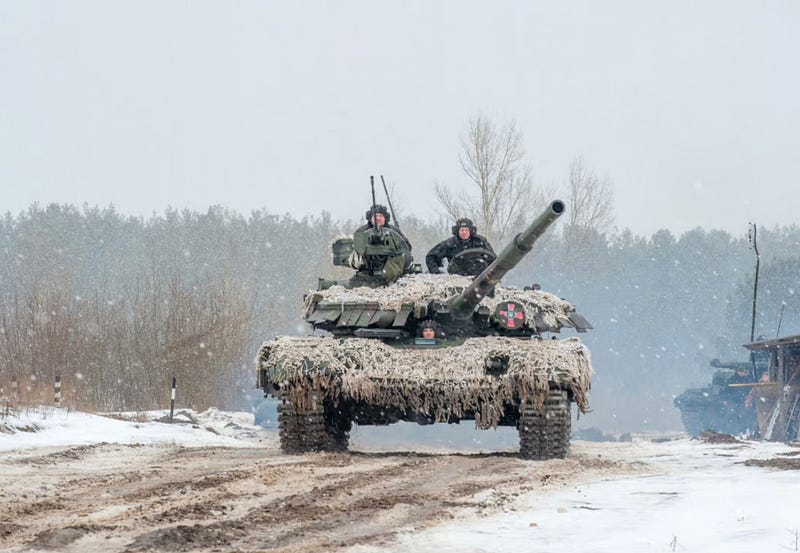
The capture of Avdiivka by Russian forces has significantly altered the strategic landscape of the ongoing conflict between Ukraine and Russia, marking a pivotal shift in the dynamics of the war. Analyzing this event through satellite imagery, open-source intelligence, and various data sources provides a comprehensive understanding of the immediate outcomes and future implications. The decision to withdraw from Avdiivka, executed with a swiftness not seen in the prolonged battle for Bakhmut in 2023, underscores the critical nature of timing in military strategy. This maneuver, facilitated by the 3rd assault brigade and other specialized units, was crucial in organizing a retreat under duress, allowing Ukrainian forces to inflict considerable losses on their pursuers. However, the absence of official retreat orders for some units exposed significant communication gaps within the Ukrainian command structure, raising the risk of encirclement and destruction.
In the aftermath of Avdiivka’s fall, Russian forces swiftly advanced, capturing key settlements like Sjeverne, Lastochkyne, and Stepove, and putting others such as Orlivka and Berdychi under contestation. Satellite imagery from February 27th vividly depicts the extent of Russian aggression, with fires and scorch marks indicative of a concerted effort to sever Ukrainian defenses and communication lines. The targeted use of guided air-dropped bombs on Semenivka, corroborated by thermal anomaly data from NASA, further highlights the intensity of the Russian offensive.
This situation has also brought to light the deficiencies in Ukrainian defensive preparations, particularly in the construction of robust fortifications. The allocation of combat brigades to construction duties, amidst a pronounced shortage of personnel, reflects a strategic misallocation of resources. This highlights the urgent need for specialized equipment, logistics, and a coordinated strategy for defensive infrastructure development. In contrast, the Russian strategy of employing civilian companies for fortification efforts, despite ethical and legal concerns, offers a stark contrast and points to potential areas for Ukrainian strategic adjustment.
A quick heads-up: Medium’s been tweaking its algorithms and it’s getting trickier for my stories to land in your feed. So, if you enjoy my work, please make some noise! Hit that clap button, light up the highlights, or drop a comment. Every interaction helps keep the stories flowing. Thanks for your support!
Looking forward, the situation presents a challenging picture for the Ukrainian defense, particularly due to the rapid drying of fields which facilitates Russian mechanized advances. Despite facing ammunition and manpower shortages, inadequately prepared defensive positions, and logistical challenges, the situation for Ukrainian forces, while dire, is not without avenues of hope. Significant Russian losses during the assault on Avdiivka, with estimates of around ~300 lost vehicles and substantial personnel casualties, signal a considerable depletion of Russian combat capabilities. Additionally, intercepted communications suggest a growing sense of demoralization among Russian units, exacerbated by logistical and administrative inefficiencies.
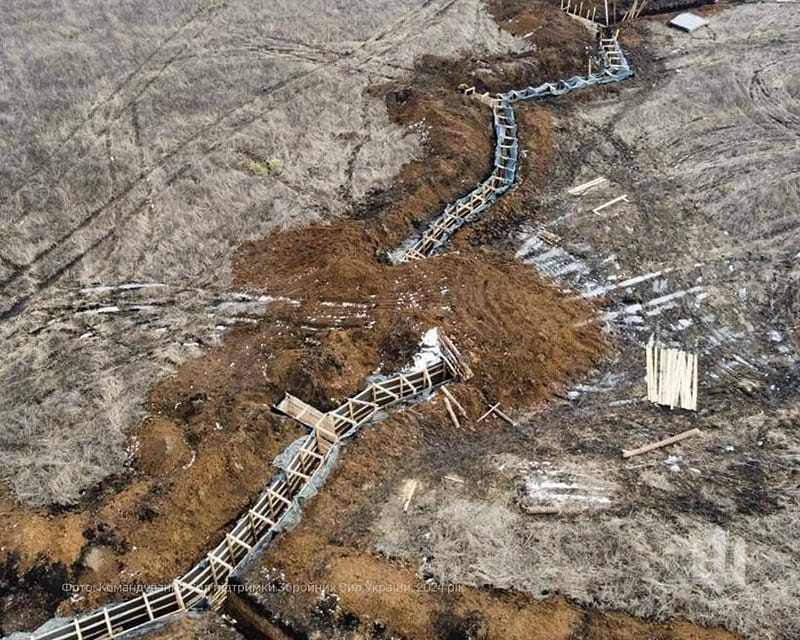
The deployment and subsequent capture of inadequately trained Russian recruits in February, following their conscription in mid-January, raises concerns about the sustainability of Russian combat effectiveness. Despite these challenges, Russian efforts to prepare defensive positions, though on an insufficient scale, indicate a strategic shift towards fortification and defense, suggesting a potential recalibration of Russian military objectives.
While Ukrainian forces confront significant obstacles, the resilience demonstrated thus far, coupled with strategic insights and international support, may yet sway the conflict’s outcome in their favor. This evolving situation underscores the dynamic nature of modern warfare, where strategic decisions, operational capabilities, and geopolitical considerations converge to shape the course of events on the ground. As the conflict progresses, the insights derived from this comprehensive analysis will prove invaluable for understanding the broader implications for regional stability and international security, offering a nuanced perspective on the conflict’s future trajectory and the strategic calculus of both Ukrainian and Russian forces.
Continuing the examination of the strategic shifts following the capture of Avdiivka, the operational consequences and broader geopolitical ramifications become increasingly apparent. The swift advance of Russian forces, capturing strategic areas and contesting key locations, underscores the critical role of mobility and logistics in modern warfare. This aggressive push not only aims to disrupt Ukrainian logistics and command structures but also to demoralize Ukrainian defenders by showcasing the rapid gains made by Russian troops.
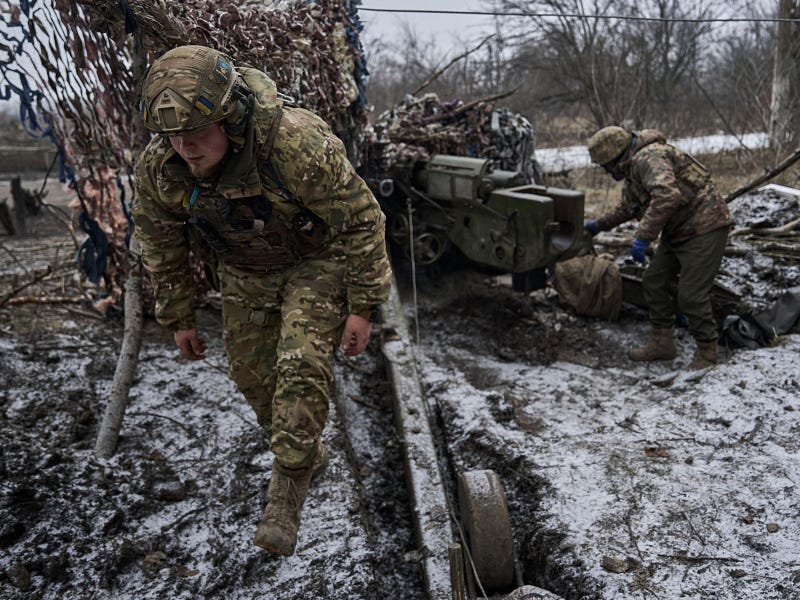
The utilization of guided air-dropped bombs on targets such as Semenivka, as corroborated by thermal anomaly data from NASA, reveals a calculated approach to undermining the Ukrainian defensive positions. This strategy is not merely about territorial gains but also aims to sever communication lines and supply routes, crucial for the sustenance of Ukrainian defense efforts. The aftermath of these assaults has left a trail of destruction, visible through satellite imagery, that speaks to the intensity and determination of the Russian offensive.
The challenges facing Ukrainian forces are further compounded by deficiencies in their defensive preparations, particularly the lack of robust fortifications. The reliance on combat brigades for the construction of defensive structures, amid a glaring shortage of personnel, highlights a critical misallocation of resources. This situation underscores the urgent need for a more coordinated approach to defense infrastructure development, involving specialized equipment, logistics, and strategic planning. The contrast with Russian strategies, which involve the mobilization of civilian companies for fortification efforts, points to a significant strategic gap that Ukraine needs to address.
Looking ahead, the drying of fields, facilitating Russian mechanized advances, poses additional challenges for Ukrainian forces. The situation, characterized by ammunition and manpower shortages, inadequately prepared defensive positions, and logistical hurdles, presents a dire picture. However, the resilience of Ukrainian forces, evidenced by their strategic withdrawals and tactical engagements, provides a glimmer of hope.
Significant Russian losses during the assault on Avdiivka, with estimates of around ~300 lost vehicles and substantial personnel casualties, highlight the vulnerabilities within the Russian operational strategy. Moreover, the growing demoralization among Russian units, exacerbated by logistical and administrative inefficiencies, signals potential cracks in the Russian military’s resolve. The rapid conscription and deployment of inadequately trained recruits further raise questions about the long-term sustainability of Russian combat effectiveness.
Despite these operational challenges, the efforts by Russian forces to prepare defensive positions, though insufficient in scale, indicate a strategic shift towards enhancing their defensive capabilities. This adjustment suggests a recognition of the protracted nature of the conflict and the need for sustainable operational strategies.
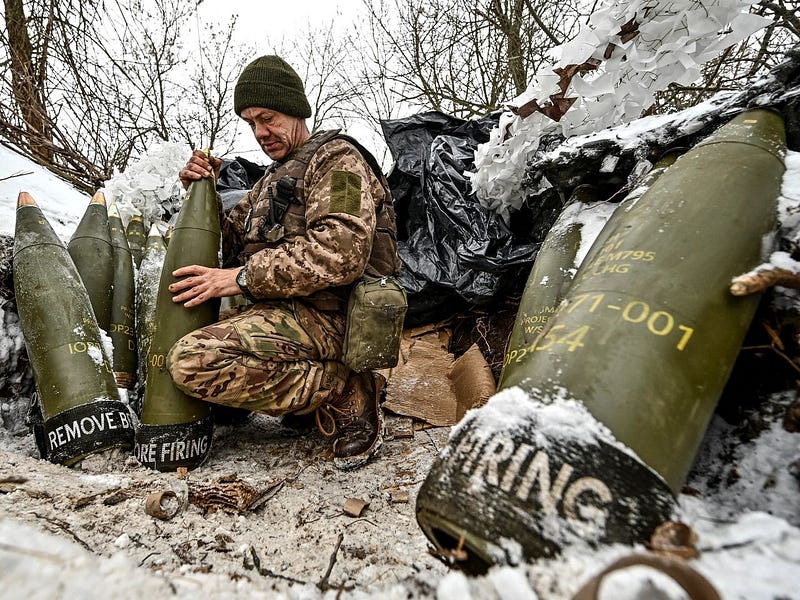
The need for substantial support from the West has never been more critical. Large quantities of ammunition and shells must be supplied to Ukraine as a matter of urgency to prevent the collapse of its defense efforts. Without this vital support, the strategic balance could tip irreversibly in favor of Russian forces, undermining not just Ukraine’s sovereignty but also the stability of the region and the principles of international law and order.
In this high-stakes scenario, the involvement of international actors takes on a new dimension of urgency. Should Ukraine teeter on the brink of collapse, the decision by France’s President Macron to send troops could emerge as a pivotal moment, transforming the conflict’s dynamics. This action would not only signify a substantial escalation but also signal to Russia the potential for an all-out war with NATO – a scenario both sides have been keen to avoid. Faced with the prospect of direct confrontation with NATO forces, Russia would have to make a critical decision: either halt its advance or risk a broader conflict with unforeseen consequences.
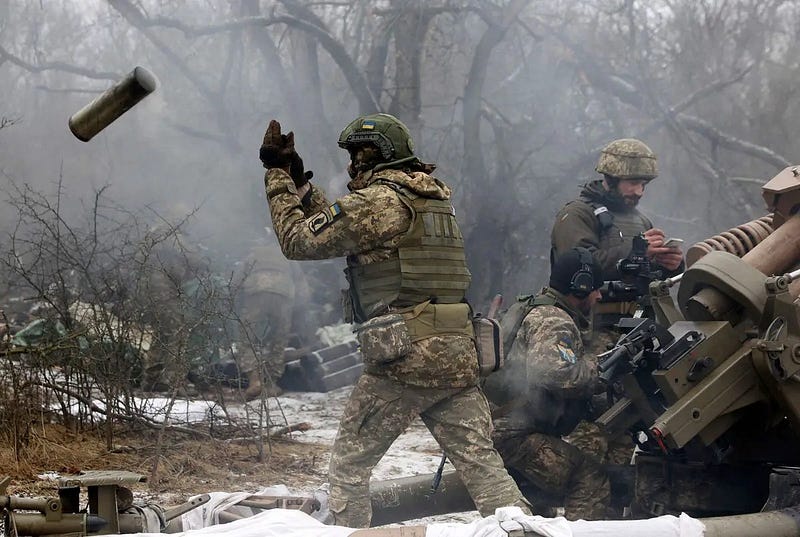
Thus, the trajectory of the Ukraine-Russia conflict hinges not only on the battlefield dynamics within Ukraine but also on the strategic decisions made by international stakeholders. The provision of military aid to Ukraine by the West, particularly in the form of ammunition and shells, is more than a gesture of solidarity; it’s a strategic imperative that could determine the conflict’s outcome. The involvement of NATO countries, specifically through direct military support such as that contemplated by France, would dramatically alter the calculus for Russia, introducing new risks and considerations into its operational strategy.
In conclusion, the situation in Ukraine is a stark reminder of the complexities of modern warfare, where the lines between regional conflicts and global showdowns are increasingly blurred. The support of the West, coupled with strategic decisions by key international players, will be crucial in ensuring that Ukraine remains sovereign and free. As the conflict unfolds, the international community’s response will not only shape the future of Ukraine but also define the contours of global security and the international order for years to come.


