
From Weimar to Moscow: Tracing the Historical Roots of Putin’s Aggressive Foreign Policy!
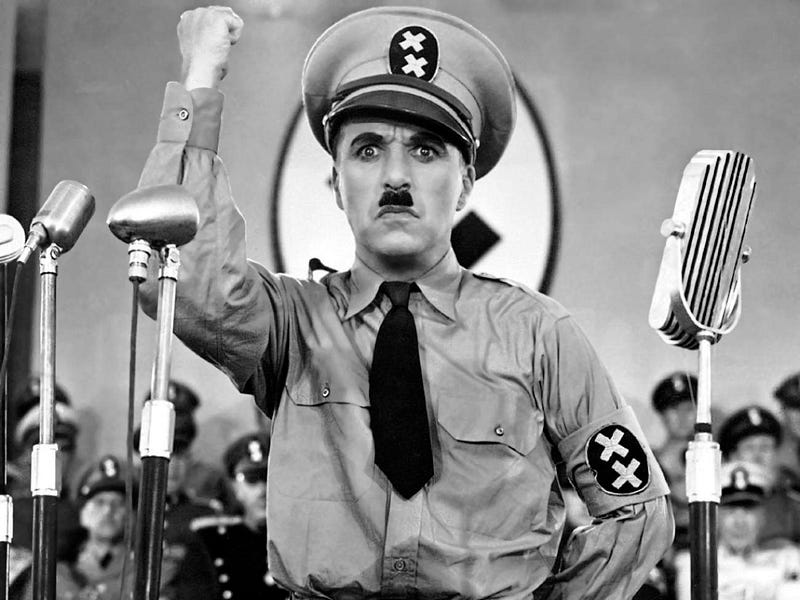
As the world watches the ongoing conflict between Russia and Ukraine unfold, it’s crucial to understand the historical context and moral dimensions of this war. The Russian invasion of Ukraine, which began on February 24, 2022, has drawn comparisons to the darkest chapters of 20th-century history, particularly the rise of Nazi Germany and the leadership of Adolf Hitler. While there are undoubtedly differences between the two situations, the similarities are striking and cannot be ignored. Russian President Vladimir Putin’s actions and rhetoric bear an unsettling resemblance to those of Hitler, and his regime’s characteristics align closely with those of Nazi Germany.
Like Nazi Germany, Putin’s Russia is an authoritarian, patriarchal, and illiberal state. Putin himself is a charismatic, self-appointed leader who claims omniscience and infallibility, enjoying a cult of personality and the adoration of numerous followers who believe he is Russia’s savior. The Russian state intervenes in the capitalist economy, mobilizes the population, and uses violence against its real and imagined internal enemies, imprisoning them in a network of concentration camps and prisons.
Ideologically, Putin’s Russia promotes and relies on the messianism of the German nation and empire, claiming to liberate workers and women while emphasizing national unity and solidarity. It has identified a group, the Ukrainians, as the source of all of Russia’s troubles and is systematically attempting to destroy them. While perhaps not as obsessively racist as Nazi Germany, Putin’s Russia is undeniably racist.
A quick heads-up: Medium’s been tweaking its algorithms and it’s getting trickier for my stories to land in your feed. So, if you enjoy my work, please make some noise! Hit that clap button, light up the highlights, or drop a comment. Every interaction helps keep the stories flowing. Thanks for your support!
These similarities lead to the unavoidable conclusion that Putin’s Russia, while perhaps not as openly Nazi as Nazi Germany, is sufficiently Nazi-like to be labeled a Nazi state. This realization should alarm many in the West and infuriate Putin and his supporters, but it is the inevitable result of an objective assessment of the similarities between the two regimes.
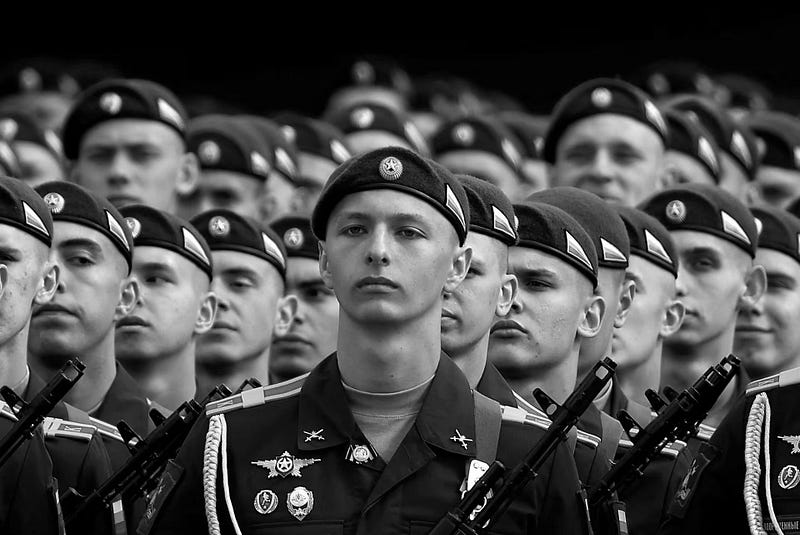
The reasons behind Putin’s actions can be traced back to the humiliating collapse of the Soviet Empire and the subsequent economic and political troubles – events that highlight the close resemblance of post-Soviet Russia to Weimar Germany. Both Imperial Germany and the Soviet Empire experienced humiliating systemic collapse and subsequent economic difficulties, political polarization, and widespread cultural anomie. Weimar Germany and Russia in the late 1990s blamed the democrats then in power and welcomed the man on horseback who promised to make their nations great again.
Both Hitler and Putin dismantled democracy and replaced it with their own forms of authoritarian rule. Protecting their abandoned brothers in other post-imperial states was a significant part of their foreign policy plans. Hitler “came to the aid” of Germans in Czechoslovakia and Austria, while Putin defended the “Russian peace.” Once their power was consolidated, they began to address their central national issues – Jews and Ukrainians, respectively.
It is crucial to recognize the importance of accurately naming Putin’s policies. Despite the condescending views some Western decision-makers still hold towards Putin and his regime, they should understand that they are, in fact, apologizing for Nazism and echoing the pro-Nazi positions of Charles Lindbergh, Henry Ford, and the Third Reich.
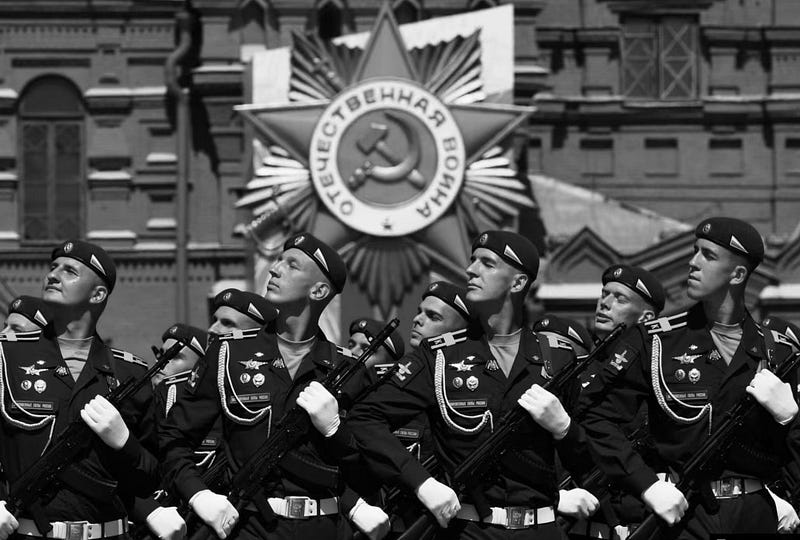
Similarities between Putin and Hitler also suggests why Putin insists that Ukraine is a Nazi state. He is not merely repeating Soviet practice; he is deflecting attention from himself to his mortal enemy. Furthermore, the comparison with Hitler suggests why expectations of a negotiated conclusion to the war with Ukraine are misplaced. If Putin is Hitler’s relative, we know he will use any ceasefire as a pause to rearm and renew his assault – on Ukraine and then on points further west and north.
Finally, there is potentially good news. Nazism collapsed, and Putin’s version may follow in Hitler’s footsteps. Hitler’s great mistake was to attack the USSR, while Putin’s was to attack Ukraine and, by extension, the West. Delusions of grandeur led both men to bite off more than they could chew. Putin will lose because, sooner or later, the West will be forced to abandon its soothing illusions and fight against Russia. The only question is how much of the West will be destroyed in the process.
When Hitler attacked Poland in September 1939, 95% of Americans were strongly opposed to declaring war on Germany. Hitler was certainly aware of these sentiments in American society and politics. The Nazis themselves partially contributed to isolationist propaganda in the United States. It was in the interest of the Third Reich to convince Americans that the war in distant Europe was not their war.
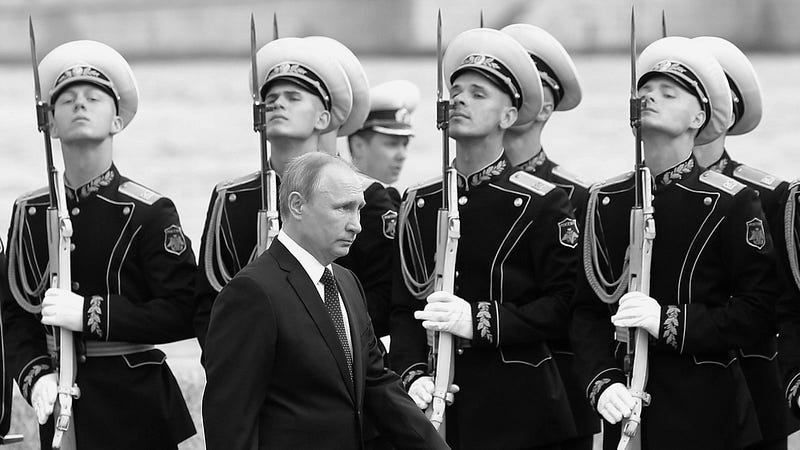
Recent statements by potential future U.S. President Donald Trump and his allies signal an intention to partially revive isolationist policies and a desire to abandon the close alliance with Europe. This development is deeply concerning, as it risks repeating the mistakes of the past and enabling Putin’s aggression.
As the war in Ukraine continues, it is essential for the international community to stand firmly in support of Ukraine and against Russian aggression. The stakes are high, not only for Ukraine but for the entire global order. If Putin’s actions go unchecked, it could embolden other authoritarian regimes to pursue similar paths of aggression and destabilization. The United States and its allies must remain steadfast in their commitment to Ukraine’s sovereignty and territorial integrity. This means providing ongoing military, economic, and humanitarian assistance to Ukraine, as well as imposing robust sanctions on Russia to deter further aggression.
It also means countering Russian disinformation and propaganda efforts, which seek to sow confusion and undermine international support for Ukraine. The truth about the nature of Putin’s regime and the justness of Ukraine’s cause must be clearly and consistently communicated to the world. Ultimately, the outcome of the war in Ukraine will have far-reaching implications for the future of Europe and the international order. If Putin succeeds in his aims, it will be a devastating blow to the principles of democracy, self-determination, and the rule of law. If Ukraine prevails, with the support of the international community, it will be a powerful affirmation of these values and a warning to would-be aggressors that such actions will not be tolerated.
As readers, you have a role to play in this struggle. By staying informed, engaging in discussions, and making your voices heard, you can help shape the public discourse and influence decision-makers. Your support for Ukraine, whether through advocacy, donations, or simply spreading awareness, can make a real difference. We must not let the lessons of history be forgotten. The parallels between Putin’s Russia and Nazi Germany are too clear to ignore. We must act now, with clarity and conviction, to defend Ukraine and the values it represents. The future of Europe, and indeed the world, depends on it.
Share your thoughts and opinions in the comments below, and let us know how you plan to support Ukraine in this crucial moment. Together, we can make a difference and help ensure that the forces of aggression and authoritarianism do not prevail.


