
Visitations From the Dead? Episode 1
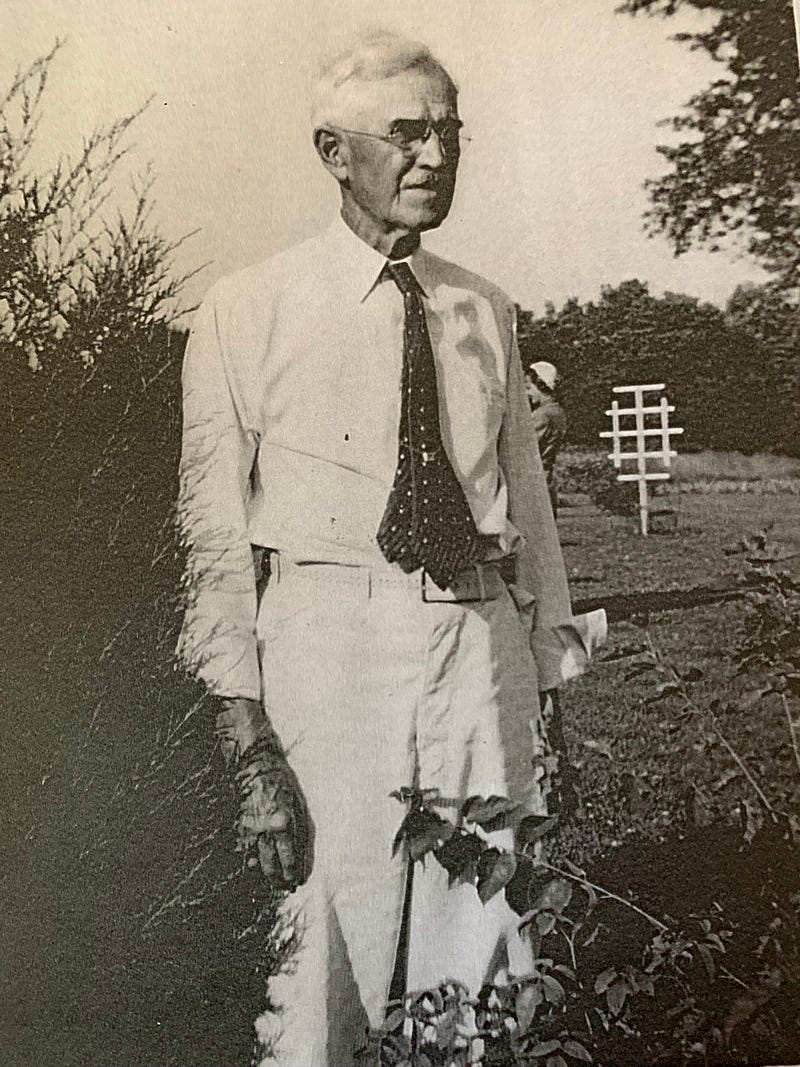
(I begin a series of articles written by my wife Kristine MacKain, PhD where I was present)
During the last few weeks before our mother died, she started “seeing” deceased relatives and friends. Most of the “visitors” were individuals she had known and loved.
Our mother talked about these “appearances” with her caretaker, Sandy, then Sandy shared them with my sister Karen and me, via text or video clips. (Karen had installed a home camera and recorder to ensure our mother’s safety as she declined into dementia).
Though Sandy’s reports of “visitors” were surprising, Karen and I were already familiar with end-of-life “visions” or visitations.
We both had been reading books by hospice professionals so that we would know what to expect and how to prepare during our mother’s final months. Though our purpose in reading was to seek information on physical changes (rather than spiritual ones), we had noted with interest patients’ reports of their “visions” of their deceased families and friends.
During our mother’s last month of life in southern California, a man began to appear to her almost every day. She never named him, but she expressed deep comfort and longing while in his presence. Our mom described him as elderly and tall, and wearing a sport coat, tie, and a white shirt.
The gentle man did not speak but, rather, stood silently before her.
The week he first appeared, Sandy remarked with interest that this man was appearing in the same way every day, wearing the same clothes.
Karen asked me if I knew who it was, and I said, without hesitation:
“That’s her grandfather!”
I remembered that our mother used to describe him as refined, saying he always dressed formally, even when he gardened.
In her early childhood, our mother’s parents were having marital problems, so they sent her to live with her grandparents. She always expressed deep affection for them.
On almost every occasion, upon seeing her grandfather, our mom asked Sandy,
“Can I go with him? I want to go home with him.”
The next week a different visitor also “appeared” who seemed to be much younger.
As our mother looked up into the corner of the kitchen from her seat at the kitchen table, her facial expression became transfixed in awe.
This time her “vision” seemed to be of an adult who was from a younger generation than our mom.
Upon seeing this individual, she smiled broadly and then, addressing the “image” with affection, she said:
“Oh, I remember you when you were in diapers!”
“Shh” she said, (putting her finger to her lips), “I won’t tell anyone.” Then she laughed.
Karen and I wondered, could this be her niece who had passed away six months before?
We couldn’t think of any other deceased person that our mother knew intimately who had been young enough to be in diapers.
With each “image” that our mom experienced during these visitations, she seemed happy, even elated.
Hospice doctors and nurses clearly distinguish such welcomed visits from the disturbing hallucinations of some patients, particularly ones with dementia as our mom had.
With hallucinations, the people that are “seen” are usually strangers who do not elicit peace or comfort. Rather, their disruptive behaviors typically leave the patients feeling disturbed and agitated.
The one “appearance” who our mom identified by name and left her the happiest was that of her lifelong and closest friend, Marjorie.
Karen and I had known Marjorie all our lives and had attended her memorial service over a year before in Colorado.
The first time Marjorie appeared, our mother expressed surprise and delight. During that visit, she said that Marjorie told her she couldn’t come to visit regularly but she would come again.
When Marjorie showed up in the family’s den the next time, our mom was looking upward, smiling. Then she laughed.
When Sandy asked what she was seeing, our mother said very matter-of-factly,
“It’s Marjorie.”
Sandy asked, “What does she look like?”
Our mother said, “Well, she doesn’t look like this” and she grabbed her upper arms with her hands, squeezing them as if to indicate, she isn’t in the flesh.
Our mom laughed again.
“Why are you laughing?”
“Because Marjorie said, ‘Don’t eat all those cookies on the kitchen table!’ ”
There were half dozen cookies on a plate in the kitchen that Sandy had available for our mother to snack on every day.
Then Marjorie told our mother, “I’m only kidding!”
During this heightened period of visitations, Karen, my husband, Cedric, and I found ourselves shifting from observers to participants.
One day, Karen suggested that we try to communicate with the deceased. After all, during our lives, Karen and I had engaged with all of them.
Why not embrace the story as if it were true?
Why not ask for their help directly?
Karen and I had already been meditating on our desire for our mother to transition in safety and love….
Why not direct that wish to those who seemed to be surrounding our mother now?