
From the Heart of Cluj
The unfolding of Romania’s democratic quest
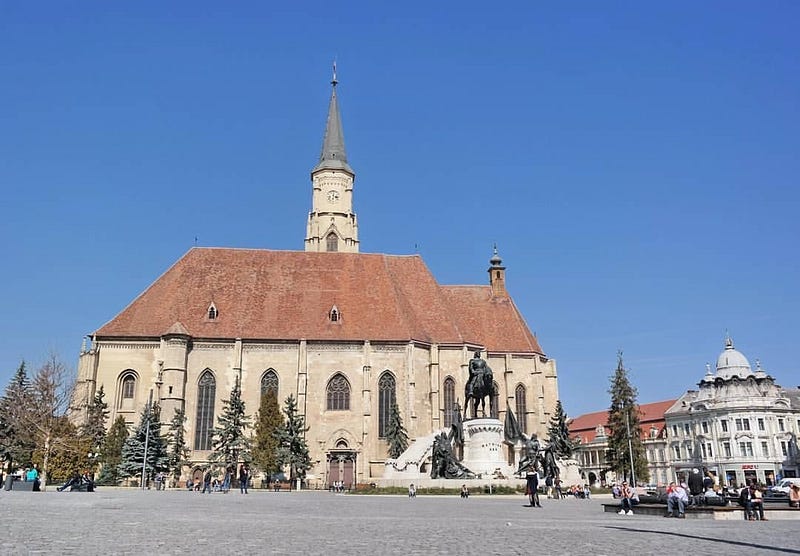
In the heart of Transylvania lies Cluj-Napoca, a city where the echoes of history blend with the whispers of change.
When I first stepped onto its cobblestone streets in 2014, I was captivated by the city’s vibrant energy, a blend of ancient tradition and youthful dynamism.
It was here, amidst Gothic architecture and bustling cafes, that I would witness firsthand the power of a community uniting for a common cause.
This wasn’t just a chapter in a textbook; it was the unfolding of history before my very eyes, a narrative that would redefine my understanding of politics, people, and the power of collective will.
The Catalyst
The evening was ordinary until it wasn’t.
My studies had just concluded for the day, and the city of Cluj was settling into its usual evening rhythm.
As I flipped through channels, a news broadcast caught my attention — it was a live feed of a burgeoning protest right in the heart of my city. The images on the screen were a stark contrast to the calm evening outside my window. Intrigued and stirred, I knew this was a moment in history not to be observed from the sidelines.
I remember exchanging a glance with my friend, a silent agreement passing between us. We needed to be there, to witness this unfolding chapter of Romanian history.
The streets, usually serene in the evening, were now pulsating with energy.
As we hailed a cab, I felt a mix of apprehension and excitement. The cab driver, sensing our urgency, navigated swiftly through the city’s veins. Each turn brought us closer to the protest, where voices seeking change were gathering strength.
The Heart of the Protest
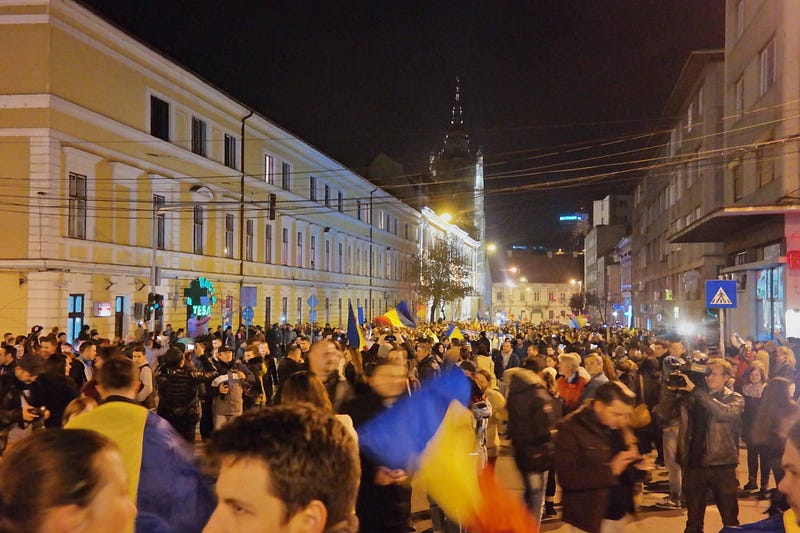
As we merged with the crowd, the air was thick with a sense of purpose.
Each person there, from the young student to the weary-eyed elder, carried a story, a reason for being part of this wave of dissent.
The faces around me were a mosaic of determination and hope, each chanting, each holding banners high against the backdrop of Cluj’s historic skyline.
It was a portrait of defiance, a collective stand against a political system that had long ignored their voices. The grievances were many, but the core was singular — a call for transparent, fair elections, a fundamental pillar of any true democracy.
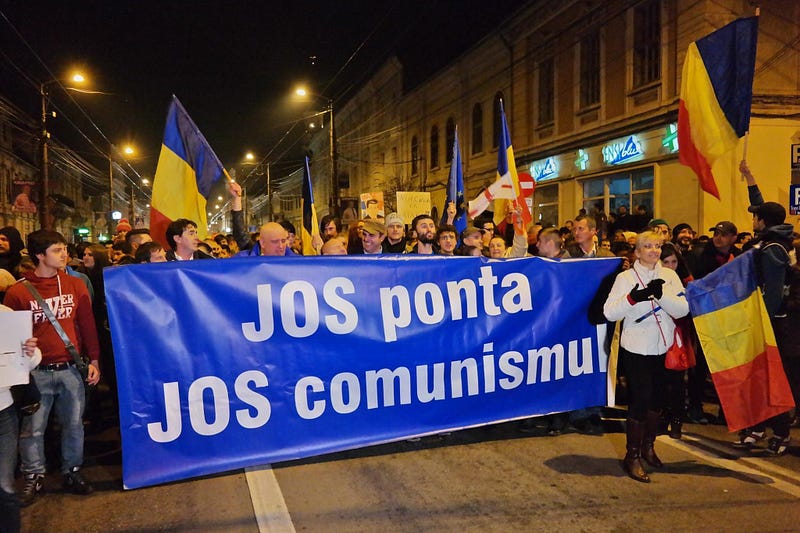
Conversations with protestors revealed layers of frustration and disenchantment. Tales of voter suppression abroad, particularly poignant at the Romanian embassy in London, painted a grim picture of democracy being throttled.
“We’re here for our families, for our future,” a young woman told me, her voice fierce with conviction.
“We stand here in Cluj, but our fight is with those in London, Paris, everywhere where our right to vote has been stifled.”
This was not just a local protest; it was a global outcry for justice, a demand to be heard and counted.
Romania, at this time, was led by a figure whose methods echoed the communist past. Prime Minister Victor Ponta, a leftist leader, was contesting a presidential run-off against Klaus Iohannis, seen as the beacon of democratic hope.
The trigger for this uprising was a clear violation of democratic principles — instances of voter fraud abroad, especially poignant at the Romanian embassy in London, where expatriates were egregiously denied their voting rights after enduring hours-long queues.
A Moment of Triumph
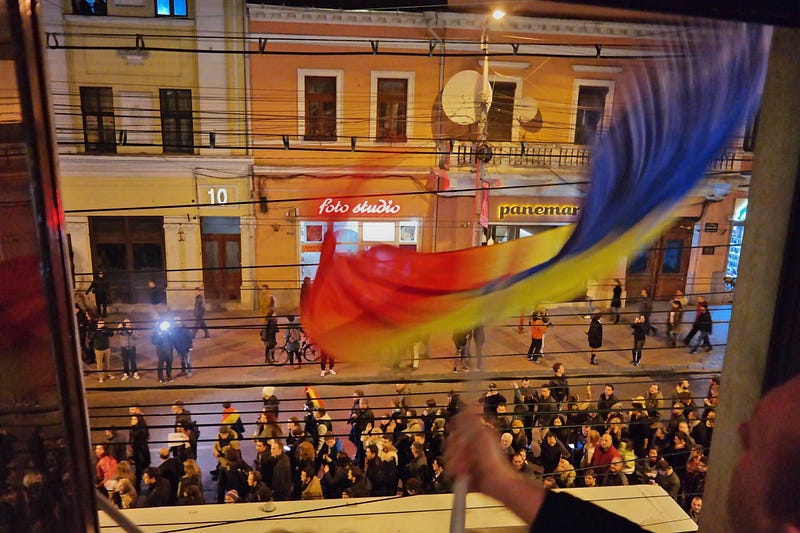
The crowd’s energy shifted palpably as murmurs of the election results began to ripple through.
It was a moment suspended in time, a collective breath held in anticipation.
Then, like the first rays of dawn breaking through a long night, the announcement came: Klaus Iohannis had won.
This was more than a political victory; it was a triumph of the people’s will.
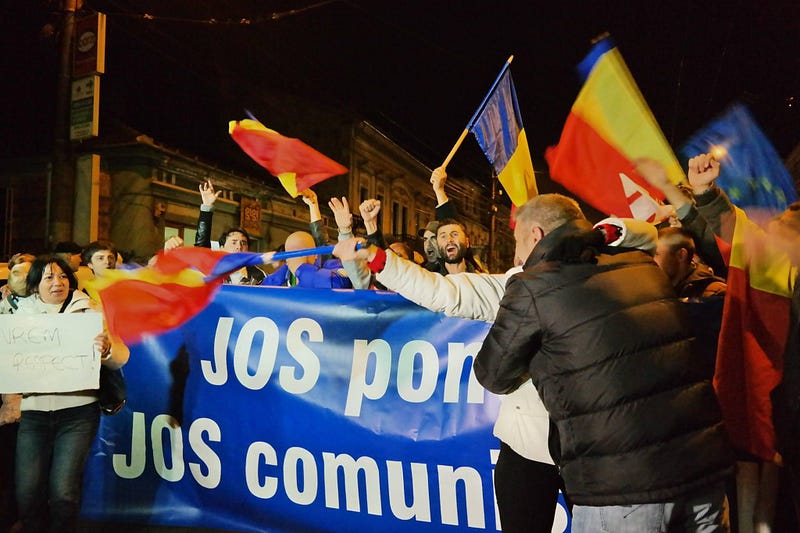
The streets erupted in cheers, a euphoric outpouring of relief and joy. Strangers embraced, tears of happiness mingled with laughter. It was a victory not just for Iohannis, but for every Romanian who had dared to dream of change.
In that instant, the significance of what we had witnessed struck me profoundly.
This was democracy in action, a testament to the power of collective action and the resilience of the human spirit. The faces around me, once marked by tension and determination, now glowed with hope.
The streets of Cluj, which had echoed with chants of protest, now resonated with songs of freedom and renewal.
This was not just the end of an election; it was the beginning of a new chapter in Romania’s history, one written by its people.
Beyond the Protests
The revolution on the streets was just one facet of my year-long Romanian journey. Beyond the chants and the fervor lay a culture steeped in warmth and resilience.
In the cafes and cobblestone alleys of Cluj, I discovered a community rich in history and kindness. From passionate conversations with local intellectuals to heartfelt stories shared by street vendors, each interaction was a thread in the vibrant tapestry of Romanian life.
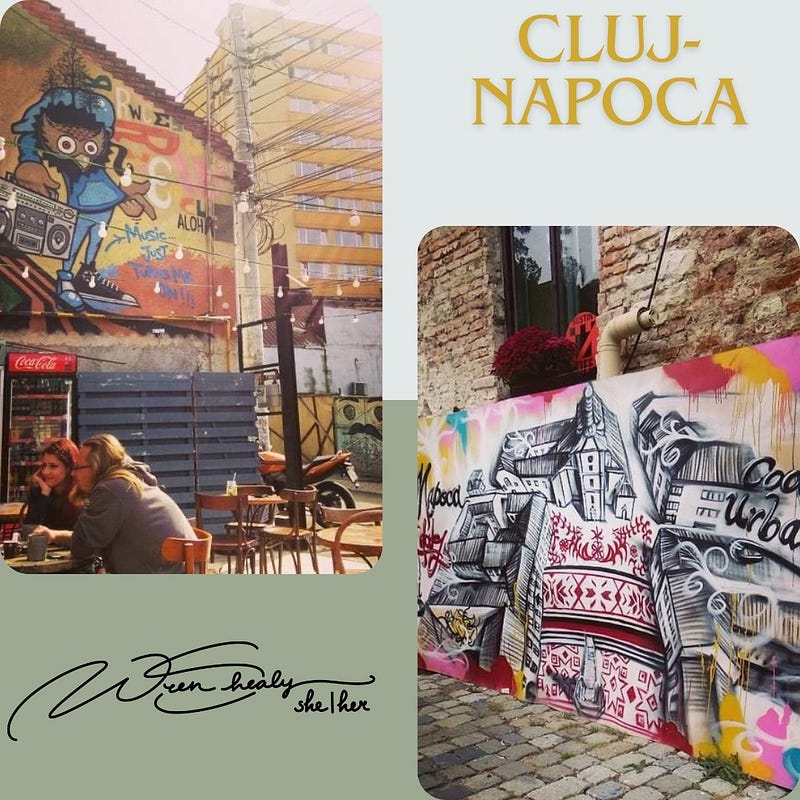
This wasn’t just a place marked by political upheaval; it was a land of poetry, art, and profound human connection, often misunderstood and overlooked in the global narrative.
My time in Romania also opened my eyes to the harsher realities faced by its people.
The plight of the Roma community, for instance, was a stark reminder of the deep-seated inequalities still prevalent in society. Witnessing their struggles and hearing their stories of systemic exclusion offered a sobering contrast to the triumphs of the protests.
It was a poignant lesson on the complexities of change — how it can uplift a nation yet leave some of its most vulnerable behind, struggling on the fringes.
A Harsh Reality
The joy and hope that permeated the streets during the protests stood in stark contrast to the plight of the Roma community in Cluj-Napoca.
My encounter with this reality came unexpectedly.
One day, while exploring the less-traveled paths of the city, I stumbled upon the outskirts where the Roma were relocated. The sight was jarring — families living in makeshift homes, far removed from the city center’s vibrancy.
The air was heavy, not with the spirited chants of protest, but with a silent, persistent struggle for basic survival. This was the other face of Cluj, hidden from the bustling squares and lively cafes, a reminder of the deep-seated social divisions that persisted despite the political strides.
Conversations with members of the Roma community were eye-opening. They spoke of their eviction from Coastei Street, a move that pushed them to the fringes, both physically and socially.
Their new “home” was near a landfill, a stark symbol of their marginalized status.
These stories were not just narratives of displacement but of resilience in the face of systemic injustice. It was a poignant realization that while the city celebrated a political victory, a significant part of its population continued to live in conditions that starkly contradicted the ideals of the democracy being championed in the streets.
Call to Action
As my journey in Cluj-Napoca came to a close, I realized that the lessons learned here transcended geographical boundaries and academic discourse.
The spirit of Cluj, with its vibrant protests and quiet struggles, had imprinted upon me a profound understanding of the intricate tapestry of human resilience and the complexities of societal change.
This experience was not just about observing history; it was about becoming part of a narrative that continues to evolve, where every voice can contribute to the chorus of progress and every action can ripple through the fabric of society.
Now, as you read this, I invite you to not just be a passive observer of history but an active participant in shaping it.
Let us draw inspiration from the streets of Cluj and the stories of its people.
Let us champion the cause of fairness, equality, and dignity, not just in our immediate surroundings but wherever we find injustice and silence.
The story of Cluj-Napoca is not just a tale of political revolution; it’s a call to each of us to engage, empathize, and enact change in our corners of the world.
Together, let’s write our chapter in the ongoing story of humanity, one where empathy and action intertwine to create a more just and compassionate world.
