How to protect your AI art.
From Supreme Court to AI Art: New Challenges in Copyright Protection
The Warhol Decision, AI Art, and the Future of Copyright Law
The Conundrum of Originality and Replication in the AI Art Era: The Role of Copyright Law
In the bustling arena of contemporary art, there’s a growing debate over the lines between replication, originality, and transformative art. The question reaches a fever pitch when we delve into the world of AI-generated artwork. Two recent high-profile stories — the Supreme Court’s Warhol decision and the issue of copyright protection for AI art — bring these complexities to the forefront.
Copyright Protection for AI Generated Images
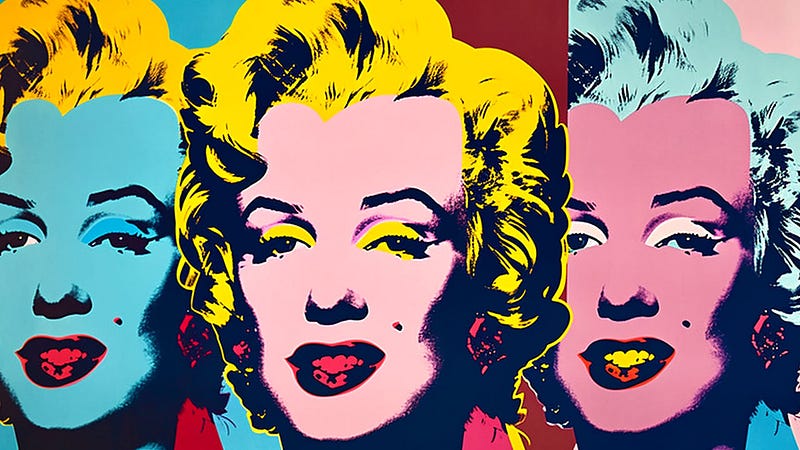
The Supreme Court’s Warhol Decision has set an important precedent for artists and the use of copyrighted material. The case involved a dispute between photographer Lynn Goldsmith and the Andy Warhol Foundation over Warhol’s use of Goldsmith’s photograph of Prince in a series of artworks. The Supreme Court ultimately ruled in favor of Goldsmith, finding that Warhol’s use of the photograph was not protected under fair use.
3.48 million copyright-free photos available in Medium
Tracing the Warhol Decision: Supreme Court Shifts Copyright Protection in Art
The Supreme Court’s recent ruling on Warhol’s works, based on the copyrighted photograph by Lynn Goldsmith, has significantly altered the landscape of transformative art. In the past, much of the emphasis was placed on whether a new piece of art was ‘transformative,’ bringing new expression, meaning, or message to the original. However, with the Supreme Court’s shift towards commercial concerns, the act of borrowing and building upon previous works is now laden with potential legal pitfalls. This change has rippled through the art world, making it riskier for artists to create derivative works.
In the pulsating kaleidoscope of art, Warhol’s provocations dance with AI’s iterations, each a reflection on copyright’s mirror; a testament to the evolving dialogue between originality, replication, and transformation.
AI Art: Masterpieces at the Crossroads of Creativity and Copyright Law
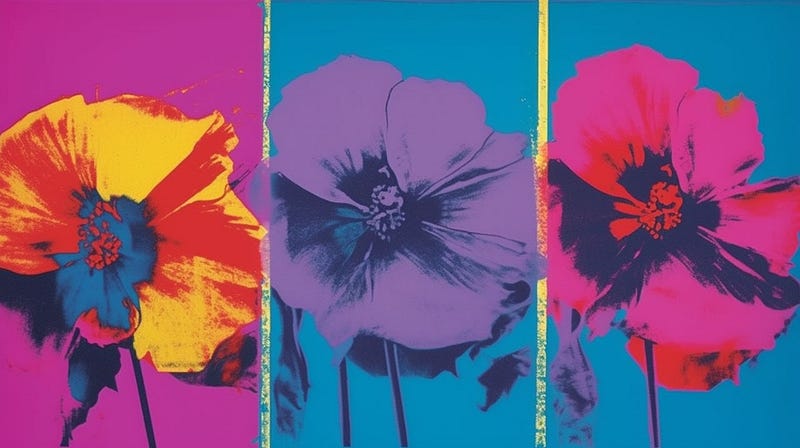
On the other hand, we’re witnessing the rise of AI art, where algorithms generate mesmerizing pieces that could easily find a place in the most prestigious galleries. Here, the question of copyright protection poses a new challenge: who owns the rights to these masterpieces? Is it the person who initiated the algorithm, or is it the AI system that executed the final product? The U.S. Copyright Office, in its recent policy statement, began addressing these questions, further stirring the pot of debate around AI’s creative capabilities and authorship.
In the Labyrinth of Copyright Law: The Originality Conundrum in AI Art
These two intertwined threads highlight the difficulty in defining what constitutes a copy and what’s deemed an original in the AI art era. In an environment where algorithms can produce strikingly beautiful and original compositions, the law seems ill-equipped to judge art’s intrinsic values. The interpretation of artwork and its originality, whether it is crafted by human hands or artificial intelligence, should primarily lie in the eyes of the beholder — be they human or algorithm.
“ Japan and Israel redefine copyright “
How does the Supreme Court’s Warhol decision reshape the future of AI Art and its copyright boundaries?
AI-Generated Art: The Paradox of Authorship and Ownership in the Digital Age
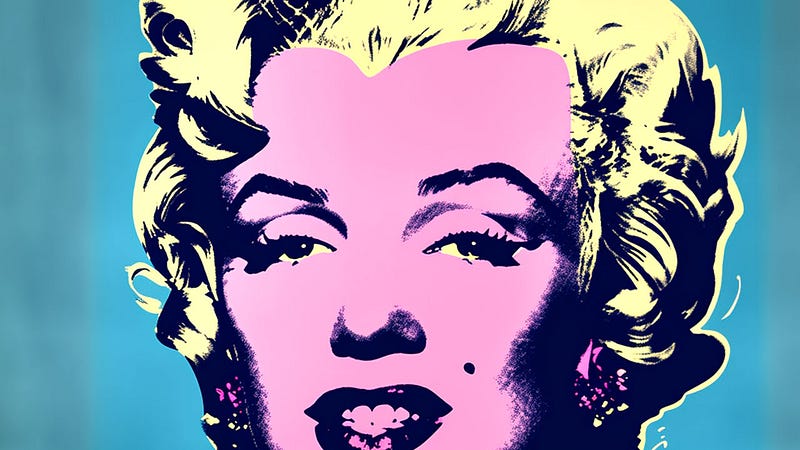
The complexities of AI art and copyright protection raise pertinent questions for us to discuss. Are current laws adequately safeguarding the creative expressions of artists while also fostering innovation in the AI art sphere? Or do we need a more nuanced approach that separates artistic ingenuity from technological advancements?
Beyond the Law: The Viewer’s Crucial Role in the Evolution of AI Art
As we navigate these questions, it’s worth considering whether copying and relying on past works should be discouraged or whether it forms an integral part of the artistic process — especially in a world where AI can mirror and even amplify human creativity. The Warhol decision and the evolving guidelines for AI art copyright protection serve as touchstones for this discussion, marking significant shifts in our understanding and treatment of art in the digital age.
Interactive Discussion: The Warhol Decision, AI Art, and the Future of Copyright Law
Join the conversation on Evartology.com, a thriving platform for art enthusiasts, critics, and artists. Let’s explore together the future of art in the AI era, the lines between originality and replication, and how the law navigates these intricate threads. Our collective thoughts and discussions can help shape the evolution of AI art and its relationship with copyright protection.
Keywords: AI Art, Copyright Protection, Supreme Court’s Warhol Decision, Transformative Art, U.S. Copyright Office, AI-generated Masterpieces, Originality in Art, Art Law, AI in Art, Artistic Copyright.