
MUSINGS
From Struggle to Success: How I Overcame 7 Sobriety Roadblocks
Don’t let detours stop your journey — find your way to freedom from alcohol.

From my journal December 8, 2017:
I will stick out like a sore thumb at the Evanses if I don’t drink. They’ll want to know why. It’ll be embarrassing. Okay, I’ll have a glass of wine and be careful that John doesn’t keep refilling it as he usually does.
I want to keep my body healthy so I can do all the things I want to do. Alcohol has stopped me for all of my life. I’ve allowed that. It’s time to change the path I’ve been on.
Sadly, I know I’ll always have the urge to drink. Then what?
I continued to drink for the next nine months. My drinking escalated.
I’d quit twice before and was alcohol-free for a few months each time. What went wrong?
It’s in hindsight that we see what the struggle was and why we failed to achieve sobriety.
The Roadblocks to My Sobriety
- I didn’t want to get sober
Sure, I said I did. I thought I wanted to quit. Heck, I even wrote about it in my journal. However, the bottom line — I enjoyed my drinks too much.
What I wanted was to be able to drink like my friends. You know, one or two and done. That wasn’t me. I’m one of those alcohol abusers without an off-switch.
I wasn’t committed to quitting — that was my problem.
2. I didn’t have a “why”
Why did I want to stop drinking? I was worried I was irreparably harming my body.
I was tired of waking up in the middle of the night with terrible anxiety. And feeling like dog poop the next day.
These “whys” weren’t strong or good enough. They weren’t enough for me to give up my beloved cocktails.
3. Denial
Oh yeah — that. I thought I wanted to quit. Yet I was sure I wasn’t an “alcoholic”. I never had blackouts. Nor did I ever have a DUI or accident. I wasn’t a barfly or woke up in a strange bed.
I was exercising (not up to my potential) and eating reasonably healthily. I had friends who agreed I didn’t seem to have a drinking problem. But what did they know? I didn’t overdrink when we were together. Plus, I could go a day or two without a drink. More proof I didn’t have a drinking problem.
4. I didn’t want the label
Alcoholic — that would’ve been the worst. It was okay that I realized my parents were alcoholics, and I wasn’t ashamed to admit that. But me? No way.
People who quit with the help of Alcoholics Anonymous must stand up in a room full of strangers and declare they’re alcoholics.
There was no way I would admit to that. Today, we have the term “alcohol abuser” or “alcohol misuse.” Still, the term persists whether you go to AA or not.
There are many people in the recovery community who also refuse to label themselves as alcoholics. It feels like a condemnation.
5. I didn’t do the work
What was driving my urge to drink? What was my pain? I drank it away, and I thought I could sober up without taking a deep, hard look at it.
My childhood was traumatic. My father was miserable and despised his boss and job. He took it out on my siblings and me, and that was the beginning of my pain. That is what drove my compulsion to imbibe.
It’s more than just stopping the drinking. It’s making peace with the trauma and pain.
There’s more work to be done, too. A recovery program — group or with a therapist, online, in or out-patient, or even the support of a friend or family member. I did none.
That is how I finally found sobriety. But I wouldn’t have been successful if I didn’t do the rest of the work.
That is how I finally found sobriety. But I wouldn’t have been successful if I didn’t do the rest of the work.
6. I was afraid
I was afraid I couldn’t quit. What if I failed? Again?
I’m not sure I can go through life without alcohol. That seemed incomprehensible.
What about socializing? What would my friends think? What would I tell them?
What about the holidays? My birthday? Damn, a birthday without a drink or even a glass of champagne?
7. I hid my drinking
This was huge. My husband was the only one who knew I was drinking nightly — a cocktail or two and sometimes wine, too. He thought nothing of it. He was a drinker all his life, so this seemed okay.
He wasn’t paying all that much attention to how much I consumed. And he didn’t know I’d sometimes make a quick one when he left the room.
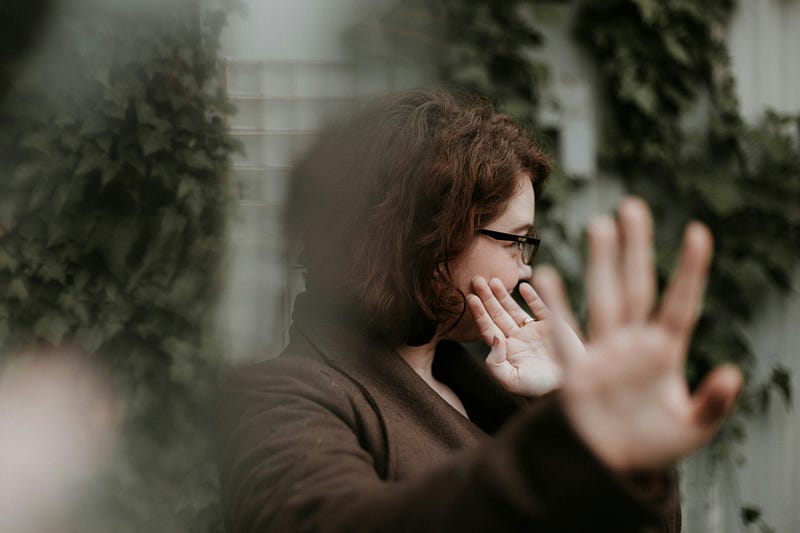
As I mentioned — my friends were unaware of how much I was consuming because I kept my drinking to a minimum when we were together.
The sneaking and dishonesty were self-esteem destroyers.
The Solution
First up was having my “why.” I must have reasons to give up my beloved libations.
My reasons were screaming at me for a long time, and I ignored them, drowned them in ethanol.
It was pretty simple — I wanted a better life. A fuller, richer, more active, and robust life. No more headachy mornings whining that I couldn’t hike or go to lunch.
I wanted to be healthy and heal whatever damage I’d inflicted on my body and brain.
I wanted to get back to creating art. And I wanted to write.
Those reasons catapulted me into sobriety.
Finally, I wanted to be alcohol-free. I knew I had a problem, and I dumped the denial.
I faced the trauma of my childhood — not overnight. It took time and work, which may be a lifelong journey.
I’m no longer afraid of failing. Holidays come and go, and I’m thrilled to enjoy and remember every moment of them AF — sipping my seltzer and cranberry.
I’m not embarrassed to talk about my drinking or my sobriety. It is one of the things I feel I must do — share my story to help others who are struggling.
Talking about my road to sobriety keeps me accountable. The feedback I receive is loving support, knowing I’m on the right path and have overcome my sobriety roadblocks.


