
Things I’d Tell New Runners (Don’t Make These Mistakes)
From Running the Bases to Running Marathons
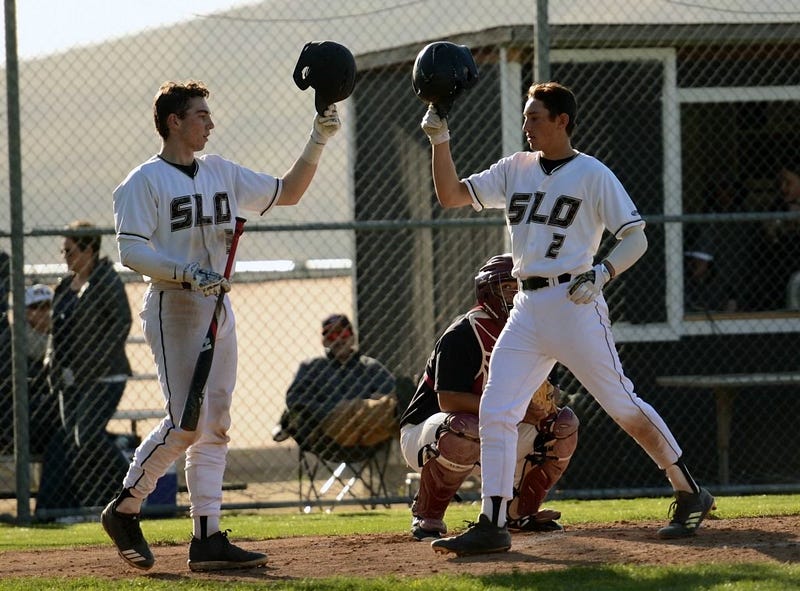
I played baseball all my life.
The only running I did was around the bases. And that’s if I was lucky.
If I can learn how to run, you can too. In this piece, I’ll share three things I wish I knew when I started running.
Ready? Start your watches 🏃
Fitness follows easy work and hard work
Picture this.
You’re new to running. You go for a run. You look at your watch. Your heart rate is way too high. Uh oh. You’re not in “zone 2”.
You hear all the running influencers talk about how important it is to stay in zone 2. Now you’re freaking out. What are you supposed to do?
end scene
Every runner can relate to this. You go for a run. See your heart rate spike. Continue anyway. And end up hurt or questioning why you’re not making progress.
Been there, done that. It ain’t fun. I know.
Luckily, there’s a fix. Stop running in the middle. Between easy and hard. In fact, avoid it at all costs.
You might think you’re doing yourself a favor by grinding out a 5-mile run. But you’re not. You could be building more fitness — at a lower risk for injury — by going slower.
The key to fitness is to go really slow and really fast. And avoid the in-between stuff. At least at the start.

Here’s how to take action on this. Run your easy runs at a pace you could hold for twice the distance you’re running. I’ve found this to be way more helpful than trying to hold an “all day pace.”
The goal is to settle into an effort you could do for double the distance you’re planning for. When you first start running, 80% of all your runs should be at this pace.
Don’t worry about getting faster. Just keep managing your effort. If you manage your effort, fitness will follow.
The other 20% of your runs should be hard. Like real workouts. Huffing n puffing type stuff. Something that forces you to recover and catch your breath before going onto the next rep.
Think of it this way. Running at an easy effort raises your fitness floor. And running really fast — at a hard effort — raises your fitness ceiling.
Together, you have the perfect recipe to get fit. Really fit.
Don’t be a hero in zone 3 or 4. Swallow the pride and party pace it. Most of the time.
Nobody cares about your pace
There’s a maxim for this.
“Nobody gives a shit about anything except how they feel.” — Will Smith
Your runner friends are too worried about what pace they’re running at.
And your non-running friends are questioning why you’re running in the first place. Trust me. Nobody cares about your pace except you.
When I first started running, I caught myself comparing my fitness to others way too often. It’s destructive and makes getting fit harder and less fun.
I’m sharing this because I hope you can let go of trying to fit in. And making the same mistake I did.
Running makes you a runner. The pace doesn’t. Remember that.
Make it social
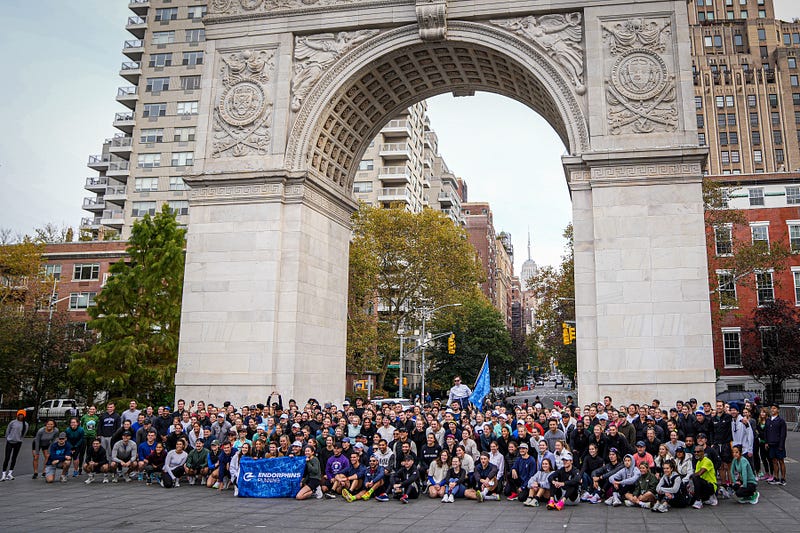
When you first start running, progress is hard to see and feel. That’s what makes it so frustrating. It’s also why so many new runners quit.
But when you run with a group, none of that matters. The running becomes secondary to the relationships and social connection you’re building.
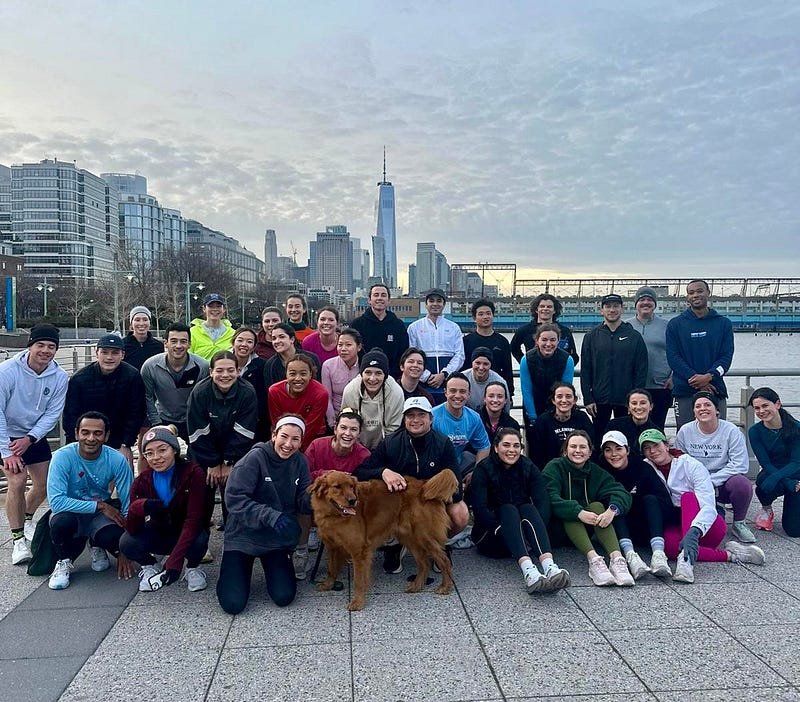
That’s the power of joining a run club and “making it social.” It becomes less about running, and more about the people you’re surrounding yourself with.
Endorphins taught me that I can run to meet new people. Socialize. Be a friend. And experience the high that is sharing movement with hundreds of other runners.
As a result, I got faster, more consistent, and started to enjoy running in ways I didn’t think I could.
The people became bigger than the activity. And that made me fall in love with it even more.
The last mile
Anddddddd… time.
If you made it this far, thanks for reading. I appreciate you. Here’s the TL;DR to share with your friends 👇
- Go slow and really fast to get fit — avoid the in-between stuff.
- You’re the only one that cares about your pace.
- Make it social — you’ll maximize longevity and fun.
Hope to see you on a run soon.
Cheers,
Noah Cracknell


