
From Recovery to Discovery
My liberation from addiction
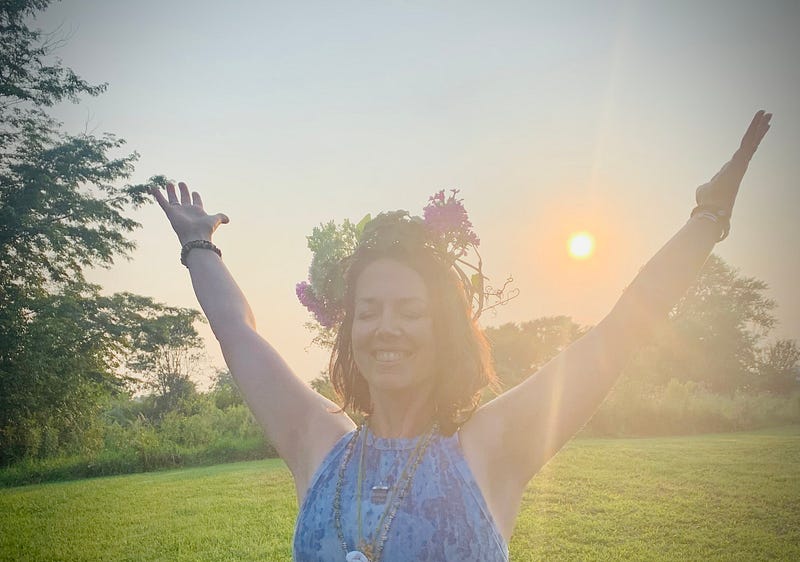
Endless Recovery
Recovery is a word I have used often to describe my journey away from alcohol. It is universally recognized as a term for the stage of life one enters after quitting an addiction. It is a term that implies a convalescence: you were sick, now you are recovering.
Yet this word was borne of society’s assumption that my ‘alcoholism’ or addiction is an incurable disease that I am doomed to spend the rest of my life trying to outpace. The oft-used phrase ‘In Recovery’ implies that this will be an ongoing process, one which will define every aspect of my existence.
When I first began this process of liberating myself from alcohol abuse, I liked the camaraderie this identity provided: “Oh you’re In Recovery? I’m In Recovery too! Meet my friend so-and-so, she’s also In Recovery.” And there we would be, connected by this eternal state of overcoming — defined by our past dalliances, and side-eyeing each other to make sure none of us slipped.
I recently heard the AA idiom: Your disease is outside doing pushups — a warning meant to frighten us “Recovering Alcoholics” into constant vigilance. Never let your guard down and forget your alcohol problem, lest it sneak up and pummel you back into the gutter. Seemingly good advice to a fragile addict, struggling to keep sober One Day At A Time, right?
But read between the lines and you will see how this thinking keeps us bound by the addiction. This message is subliminally convincing us that we cannot trust ourselves — “You will NEVER be able to just live a life without alcohol in it. You must ALWAYS think about alcohol (even though you are no longer drinking it).”
Finding Freedom
A colleague in my This Naked Mind Institute Coach training once said that she had used the 12 Steps (of Alcoholics Anonymous) to stay sober for 9 years while her kids were young. She followed the program resolutely, however, she never felt free from her addiction. “Alcohol — even though I wasn’t drinking — was in my head all the time. It was the most important thing in my life,” she told us. It wasn’t until reading Annie Grace’s book and applying the tactics in This Naked Mind that she was able to change her subconscious thought patterns and finally feel liberated from alcohol.
It is this daily attachment to the act of recovering, along with the belief that we will never be able to achieve the past-tense Recovered, that has recently given me pause about using this word. (You can read about my similar thoughts on the word SOBER in my Origin Story.)
The ‘In Recovery’ identity doesn’t seem to fit me anymore. I no longer feel like I am convalescing. I am not worrying about drinking ‘triggers’ or sliding off the cliff back into addiction. I have shifted my paradigm from abstaining from drinking to living beyond drinking.
I mean, honestly, I kind of feel like I have ‘Recovered.’
Now don’t get me wrong — there was definitely a period of time in my emerging sobriety where ‘recovering’ was an accurate description of my state. In those first few months, I felt raw and new. I was facing head-on the underlying issues behind my desire to drink and many buried traumas were rising to the surface.
I think that the first year alcohol-free (give or take, depending on the extent of addiction) can definitely be considered a period of Recovery. This is the time to be gentle with yourself, and put your new sobriety ahead of all else (before beating yourself up over sugar and caffeine or worrying about hurting people’s feelings by turning down boozy social engagements).
Even so, as soon as the heavy veil of alcohol abuse is lifted, you begin to discover the unique pieces of yourself that were long forgotten. In a great twist on the tired “In Recovery” moniker, Holly Whitaker (author of Quit Like a Woman, another must-read for the sober curious) calls this phase “active recovery of self.”
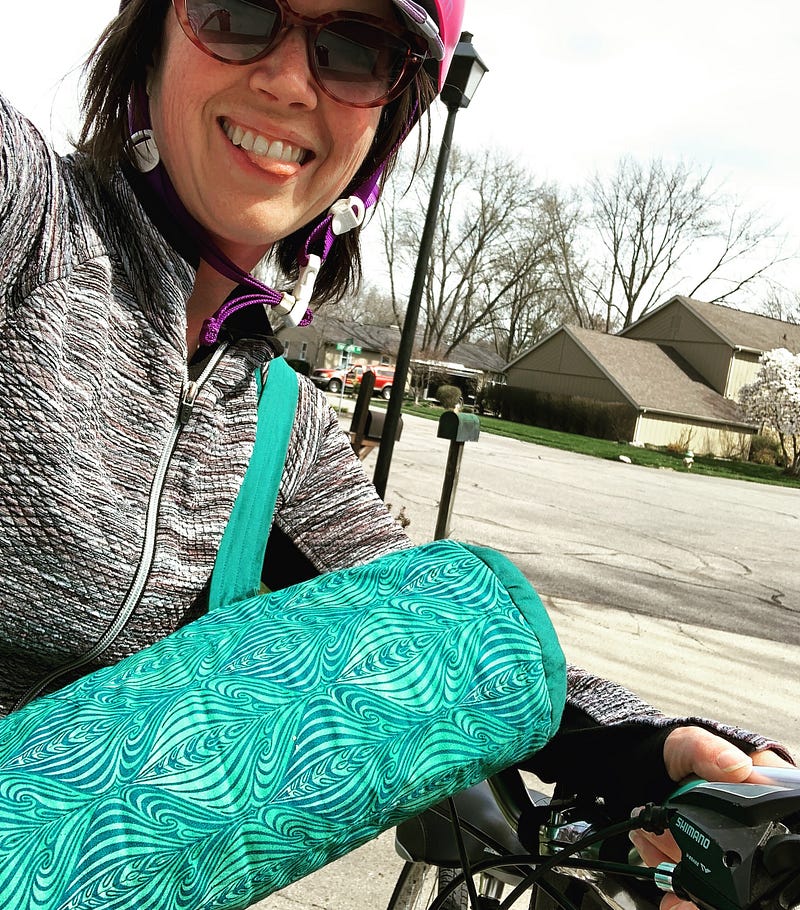
Ongoing Discovery
Almost four years since I began this process of divorcing myself from alcohol, and I can say with confidence that I am no longer in the state of Recovery. I have moved into a marvelous state of Discovery!
It isn’t all living room dance parties and howling at the moon though. I am still uncovering layers of past trauma that have settled deep under my skin, things I thought I had dealt with years ago (or at least shoved down deep enough to never be found again). These often release themselves through poetry, forming old ugliness into something tangible and beautiful.
I am transforming long-held beliefs that have subconsciously been directing my behavior for years. And with each new discovery, I am unearthing a buried treasure within myself, a piece of the puzzle that shapes who I am and how I view the world.
I genuinely enjoy this process of rediscovering (and recovering) myself. And the exciting part is that my work is no where near being done… there is so much more growth and personal development in store!
Skye Nicholson is a certified Empowerment and Recovery Coach with Soul’s Truth Coaching. She has recently released her first full-length book of poetry, entitled Unexpected Alchemy: Poems of Addiction and Awakening.


