
AN ELYSIAC GALLEGGIANTE
From Paradise to Paradise — Part 1
The life of Alexander the Great
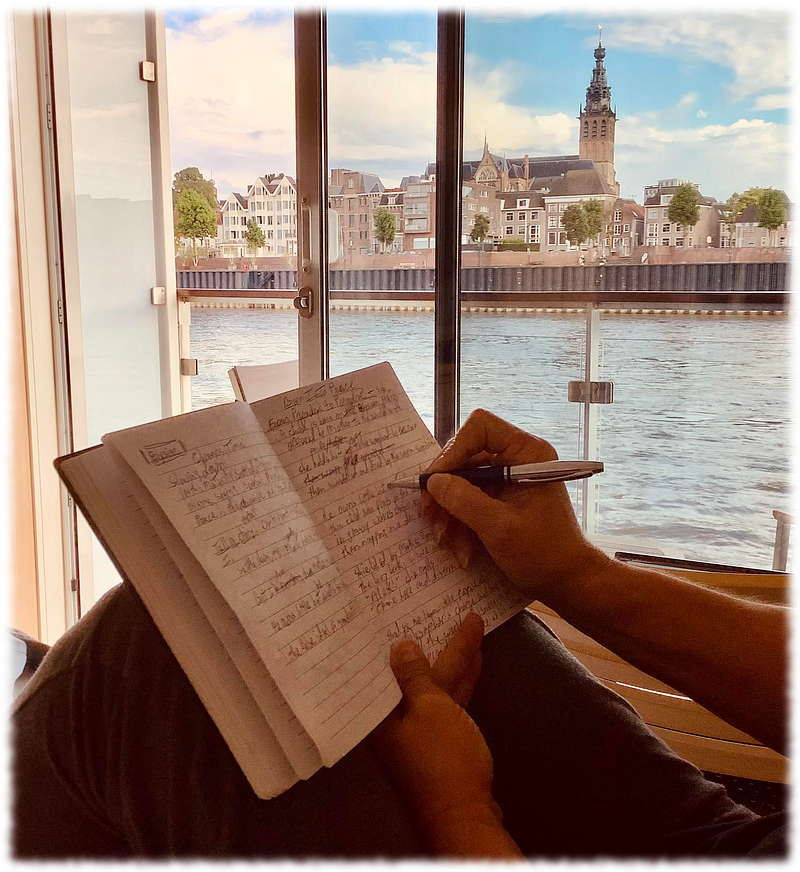
A child is born on an elysian plain offered by Mother to the world with pride she holds him aloft to be washed by rain then dried and swaddled by the warm sunshine.
He owns little but he wants for nothing this child who plays on the elysian plain in grassy waves chasing insects hopping then naps in a den where the fox has lain.
Shielded by Mother from heartbreak and pain the boy basks in love and sees only peace “Alex!” she calls ‘cross the elysian plain “Come here and discover your destiny!”
And so he learns the purpose of his life as philosopher’s charge and heir to a king to rid the world of ignorance and strife and spread the peace of his elysian plain.
Alexander the Great was born in 356 BCE in the idyllic walled city of Pella in Macedon. His father, King Phillip II hired the greatest living philosopher of the time, Aristotle, to tutor the boy in logic, ethics, and strategy.
A galleggiante is a poetry form with four 4-line stanzas using an abab rhyming scheme. One line in each stanza is a partially-repeating refrain that either begins at the top and falls to the bottom (a “sinker”) or vice versa (a “floater”). The word galleggiate means “floating” in Italian.
Thanks to Paper Poetry for inviting me to write this poetry series with the theme Elysian, meaning beautiful or creative; divinely inspired; peaceful and perfect. The ancient Greeks believed a perfect, peaceful place called the Elysian Plains, or Elysium, would be the final resting place for the souls of the heroic and the virtuous.
Jim Dutton © 2022
If you enjoyed this poem and wish to read more, please visit my Poetry, Science Fiction, and Fiction lists. And if you are not already a Medium member, you can get access to all of my work, and many, many others through my referral membership link.
PS: Editorial Note : Paper poetry conducts themed poetry series every month. This month’s theme is of Greek origin, Elysian: If you want to be a part of this, kindly read this.


