
PRODUCTIVITY: BURNOUT TO BALANCE
From Overdrive to Apathy: The Dual Faces of Our Productivity Crisis
Finding Balance in a World Obsessed with Efficiency: Navigating Through the Extremes of Work and Rest
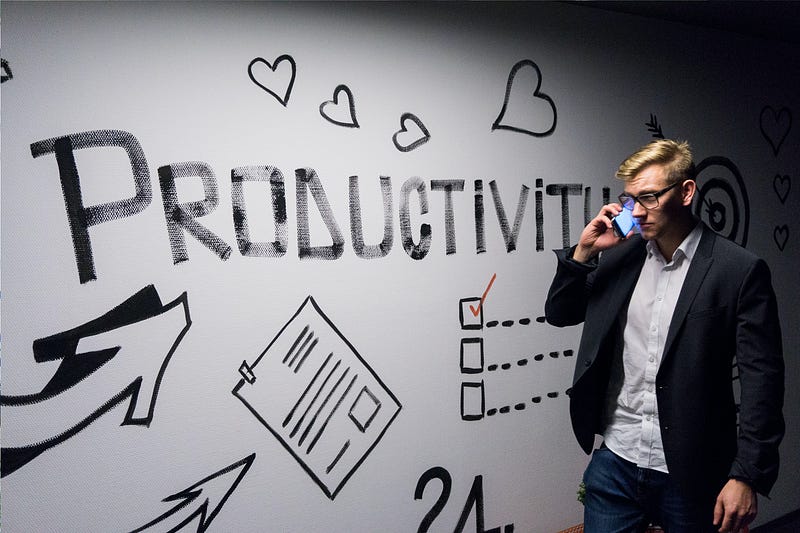
Have you ever felt like you’re running on a treadmill that’s just a little too fast, pushing yourself relentlessly until suddenly, you don’t feel like moving at all?
This experience is alarmingly common, with a recent study revealing that 40% of working adults report feeling this way at least once a week. Welcome to the modern productivity crisis – a world where overdrive often leads to apathy.
In this blog, we’ll dive deep into this crisis. You might think, 'Not another lecture on productivity!' But hear me out. We’re not discussing the same old time management tips or how to squeeze more hours into your day. Instead, we’re exploring the yin and yang of productivity – the extremes of pushing ourselves to the brink of burnout and then swinging to the other extreme of complete disinterest.
Why does this happen?
Is it societal pressure, personal ambition, or something wired within our brains?
Together, we’ll unravel these questions. We’ll examine the societal pressures that glorify busyness, the personal expectations that push us to our limits, and the psychological impacts of this relentless pursuit. And most importantly, we’ll discuss practical strategies to find a sustainable balance.
So, if you’re ready to step off the productivity rollercoaster and find a more fulfilling path, you’re in the right place. Let’s embark on a journey to understand and overcome the dual faces of our productivity crisis.
The Highs of Productivity Overdrive
The relentless pursuit of productivity can feel exhilarating – a whirlwind of achievement and efficiency that promises success and fulfillment. In our modern work culture, being perpetually busy isn’t just expected; it’s often celebrated.
But what really lies beneath this constant drive for productivity?
The Allure of Being Highly Productive
At first glance, the ability to accomplish a vast array of tasks in a limited timeframe seems admirable. This high-octane productivity often garners praise and recognition in the workplace, fueling a sense of accomplishment and pride. However, this pursuit is double-edged. The immediate gratification of ticking off tasks can become addictive, leading us to seek out even more work, mistaking busyness for true productivity.
Societal and Professional Pressures
Our society often equates being busy with being important. This perception is reinforced in professional environments where output and efficiency are paramount. In an age dominated by social media, where narratives of success and overachievement are constantly showcased, the pressure to keep up is immense. The mantra of 'doing more' pervades not just our work life but seeps into personal life as well, blurring the lines between ambition and overexertion.
The Illusion of Success
this state of overdrive, the sheer volume of work completed, can create an illusion of success.
But is it genuine success or just a facade?
The focus on quantity often overshadows the quality of work. Short-term benefits like meeting immediate deadlines or achieving temporary goals might give a sense of progress, but they don’t necessarily lead to long-term fulfillment or career growth.
Personal Expectations and Self-Worth
For many, self-worth becomes tightly intertwined with productivity levels. The more we do, the more valuable we feel. This mindset can be dangerous, as it leads to a relentless pursuit of tasks, often at the expense of health, relationships, and personal well-being. The need to feel constantly productive can become a compulsion rather than a choice, leading to burnout and dissatisfaction.
In this section, we’ve explored the high of productivity overdrive – its allure, the societal and professional pressures that feed it, the illusion of success it creates, and its impact on our self-worth. As we move forward, it’s crucial to ask ourselves:
Are we chasing productivity for the right reasons, or are we caught in a cycle that values quantity over quality, appearance over substance?
The Crash into Apathy
After riding the high wave of productivity overdrive, a crash often follows. It’s a sudden plunge from being constantly on-the-go to a state of apathy, where motivation dissipates and tasks that once felt exciting now seem insurmountable. This shift is not just about physical exhaustion; it’s a deeper emotional and psychological response.
Psychological and Emotional Consequences of Overdoing Productivity
Constant overworking can lead to burnout, a state of emotional, physical, and mental exhaustion caused by excessive and prolonged stress. It manifests not just in tiredness, but in a loss of interest and enthusiasm. Psychologists point out that when we overwork, we deplete not just our physical energy but our cognitive and emotional reserves, leaving us feeling empty and disengaged.
The Shift from Overdrive to Apathy: Signs and Symptoms
The transition from high productivity to apathy can be gradual or abrupt. It often starts with feelings of tiredness and inefficiency, progressing to a lack of enjoyment in tasks that were once fulfilling. Other signs include a general sense of disillusionment, procrastination, a decline in work quality, and a feeling of detachment from one’s work and personal goals.
Consider Jane, a marketing executive, who for months worked tirelessly on multiple campaigns. Initially, thriving in her busy schedule, she began to notice a decline in her enthusiasm. Tasks became burdensome, deadlines stressful, and her creativity waned. She realized she was no longer the passionate professional she once was, but rather, a person going through the motions disconnected from her work and herself.
The Role of Environment and Lifestyle in Contributing to Apathy
Our work environment and lifestyle choices play a significant role in this shift. In workplaces where there is constant pressure with little support or recognition, the slide into apathy is often quicker. Similarly, a lifestyle lacking balance – where work overshadows other aspects of life like social interactions, hobbies, and relaxation – paves the way for this emotional downturn.
In this section, we have delved into the crash into apathy – its causes, the signs to look out for, and real-life implications. It’s a critical reminder that while productivity is valuable, overdoing it can lead us to a state where nothing feels valuable anymore.
Understanding the Pendulum Swing
The cycle of swinging from high productivity to apathy and back again can be perplexing. It’s like a pendulum that oscillates between two extremes, each time eroding a bit more of our well-being. Understanding this swing is crucial to finding a more balanced approach to productivity.
Psychological Theories Explaining the Cycle
Psychologists have long studied the phenomena of overwork and its repercussions. Theories like the Yerkes-Dodson Law explain how moderate levels of stress can optimize performance, but beyond a certain threshold, performance declines. Similarly, the concept of ego depletion suggests that self-control and willpower are finite resources that, when overused, can lead to reduced motivation and productivity.
The Role of Burnout and Its Impact on Mental Health
Burnout plays a central role in this pendulum swing. It’s not just about feeling tired; it’s a condition recognized by the World Health Organization, characterized by feelings of energy depletion, negativism, and reduced professional efficacy. The mental health impact of burnout is profound, often leading to anxiety, depression, and a pervasive sense of disillusionment.
The Danger of Associating Self-Worth with Productivity Levels
One of the most significant dangers in this cycle is the tendency to tie our self-worth to our productivity levels. When our identity and sense of worth are so closely linked to our output, any decrease in productivity can feel like a personal failure. This mindset not only fuels the cycle of overwork and apathy but also hinders our ability to appreciate and enjoy other aspects of life.
Cultural and Environmental Influences
Cultural norms and workplace environments significantly influence this pendulum swing. In cultures where long working hours and constant availability are normalized, the cycle is perpetuated. Similarly, work environments that prioritize quantity over quality, that offer little support or that foster competitive atmospheres, exacerbate this issue.
In this section, we’ve explored the psychological, cultural, and environmental factors that contribute to the pendulum swing from hyper-efficiency to indifference. Understanding these factors is the first step towards breaking the cycle and fostering a healthier approach to productivity.
Striking a Balance: Sustainable Productivity

After understanding the extremes of overdrive and apathy, the question arises:
How do we strike a balance for sustainable productivity?
This balance is not about working less; it’s about working smarter and with greater awareness of our limits and needs.
Strategies for Finding a Middle Ground
The key to sustainable productivity lies in recognizing our individual limits and respecting them. It’s about setting realistic goals and understanding that productivity is not a constant state, but one that ebbs and flows. Integrating periods of rest and recovery into our schedules is as important as the periods of intense work. Techniques like the Pomodoro Technique, which involves working in short bursts followed by breaks, can help maintain focus without leading to burnout.
Emphasizing Quality Over Quantity
In the pursuit of balanced productivity, the emphasis should shift from how much we do to how well we do it. Prioritizing tasks, setting clear objectives, and focusing on quality over quantity can lead to more meaningful and satisfying work. It’s about doing fewer things better rather than doing more things with diminishing returns.
The Importance of Rest, Relaxation, and Personal Time
To prevent the crash into apathy, it’s crucial to value and prioritize downtime. Activities like hobbies, spending time with loved ones, or simply doing nothing are not just leisure activities; they are essential components of a sustainable work-life balance. They recharge our batteries, provide fresh perspectives, and enhance our overall productivity in the long run.
Mindfulness and Self-awareness
Mindfulness practices and self-awareness can play a significant role in achieving sustainable productivity. Being mindful about our work habits, recognizing early signs of fatigue or stress, and being aware of our mental state can help us make adjustments before we reach the point of burnout.
This section has explored the ways to strike a balance for sustainable productivity. By focusing on quality, incorporating rest, practicing mindfulness, and respecting our limits, we can enjoy the benefits of being productive without falling into the traps of overdrive or apathy.
Real-life Success Stories
In the journey towards balanced productivity, real-life examples serve as powerful illustrations of what’s possible. Let’s explore stories from individuals who have navigated the productivity pendulum and found their equilibrium, providing us with valuable lessons and insights.
Diverse Experiences and Industries
First, we meet Alex, a software developer who once worked 80-hour weeks. Burnout led him to reevaluate his approach. He now works a more manageable schedule, prioritizes important tasks, and ensures time for hobbies. This change, surprisingly, has made him more productive and creative in his professional role.
Then there’s Maria, a school teacher. Overwhelmed by the demands of her job, she adopted mindfulness techniques and learned to set boundaries. Her story is a testament to the power of self-care in sustaining passion and efficiency in a demanding career.
Lessons Learned and Tips from Their Experiences
These stories share common themes:
the importance of setting boundaries, recognizing personal limits, and the value of rest.
Both Alex and Maria emphasize that success is not just about professional achievements but also about maintaining health and happiness.
They also offer practical tips:
- Alex recommends regularly assessing one’s workload and being realistic about what can be achieved without sacrificing well-being.
- Maria stresses the importance of mindfulness and taking short breaks throughout the day to stay mentally fresh.
The Impact of a Balanced Approach
These narratives highlight the positive impact of a balanced approach. Not only did it improve their professional lives, but it also enhanced their personal lives, relationships, and overall sense of well-being.
In this section, we’ve looked at real-life success stories, emphasizing that a balanced approach to productivity is not only possible but beneficial in multiple aspects of life. These stories provide inspiration and practical advice for anyone looking to escape the productivity rollercoaster.
Practical Tips for Avoiding the Productivity Trap

Equipped with an understanding of the productivity pendulum and inspired by success stories, it’s time to explore practical tips that can help us avoid falling into the productivity trap. These strategies are about creating a balanced approach to work and life.
Daily Habits and Routines to Foster Balanced Productivity
- Start with a Clear Plan: Each day, outline your key tasks. Prioritize them based on importance and deadline. Avoid overloading your to-do list.
- Implement Time-Blocking: Allocate specific time blocks for different tasks. This helps in focusing on one task at a time and reduces the urge to multitask.
- Take Regular Breaks: Follow the 52-17 rule – work for 52 minutes and break for 17. It’s a rhythm that helps maintain focus and prevents burnout.
Setting Realistic Goals and Boundaries
- Be Realistic with Your Goals: Set achievable goals that consider your capabilities and time constraints. Unrealistic goals only lead to stress and disappointment.
- Learn to Say No: It’s essential to understand your limits and decline additional tasks or commitments that could lead to overloading.
- Disconnect After Work Hours: Set a clear boundary between work and personal time. Avoid checking work emails or messages during your off-hours to ensure proper downtime.
Embracing a Mindset Shift: Productivity as a Means, Not an End
- Redefine Productivity: View productivity as a means to achieve your goals, not as an end goal. It’s about being effective, not just busy.
- Value Quality Over Quantity: Focus on delivering quality work. It’s better to complete fewer tasks well than many tasks poorly.
- Acknowledge the Role of Rest: Understand that rest and relaxation are not just leisure activities; they are vital for maintaining long-term productivity.
By incorporating these tips into our daily routines, we can avoid the extremes of overdrive and apathy. This section aims to provide practical, actionable advice for maintaining a balanced approach to productivity.
Conclusion
As we conclude our exploration of "From Overdrive to Apathy: The Dual Faces of Our Productivity Crisis," it’s clear that the journey to balanced productivity is both challenging and rewarding. We’ve navigated through the highs of overdrive, the lows of apathy, and the wisdom hidden in the swing between these extremes. Now, it’s time to reflect on the key takeaways and embrace a more balanced approach to productivity.
Summarizing Key Takeaways
- The pursuit of constant productivity can lead to a counterproductive cycle of overdrive and apathy.
- Understanding the psychological, societal, and personal factors behind this cycle is crucial.
- Striking a balance between work and rest, focusing on quality over quantity, and setting realistic goals are essential for sustainable productivity.
- Personal stories and real-life examples illustrate that finding balance is not only possible but beneficial in all aspects of life.
Encouragement to Embrace a Balanced Approach
The journey towards balanced productivity is personal and unique for each individual. It’s about understanding your limits, respecting your need for rest, and valuing the quality of your work over the sheer quantity. Remember, true productivity isn’t about doing more; it’s about doing what matters effectively and sustainably.
Reflection and Engagement
As we part ways, I encourage you to reflect on your own productivity habits.
Are you swinging on the pendulum between overdrive and apathy?
What steps can you take to find your balance?
Consider the practical tips and insights shared in this article. Also, if you found value in this discussion, don’t forget to subscribe to my newsletter. Highlight your favorite parts, give this article 50 claps if it resonated with you, and if you feel particularly inspired, you can even buy me a coffee or a Ko-fi to show your support. Every bit of encouragement helps in continuing these conversations and exploring new insights together.
Thank you for joining me on this journey. Here’s to finding a more fulfilling and balanced path in our pursuit of productivity


