
WRITING
Noteworthy Advice From My Corner Of The Mediumverse To Yours
As a writer, doing this ONE thing has helped more than any other

When I turned 12 years old, someone gave me a diary for my birthday.
Little did I know how much that would change my life.
For reasons that I won’t go into now, but can be read by clicking here, I struggled a lot with self-esteem issues as a teenager.
Baggy clothes were in style during the early ’90s, but I also just wanted to cover myself up.
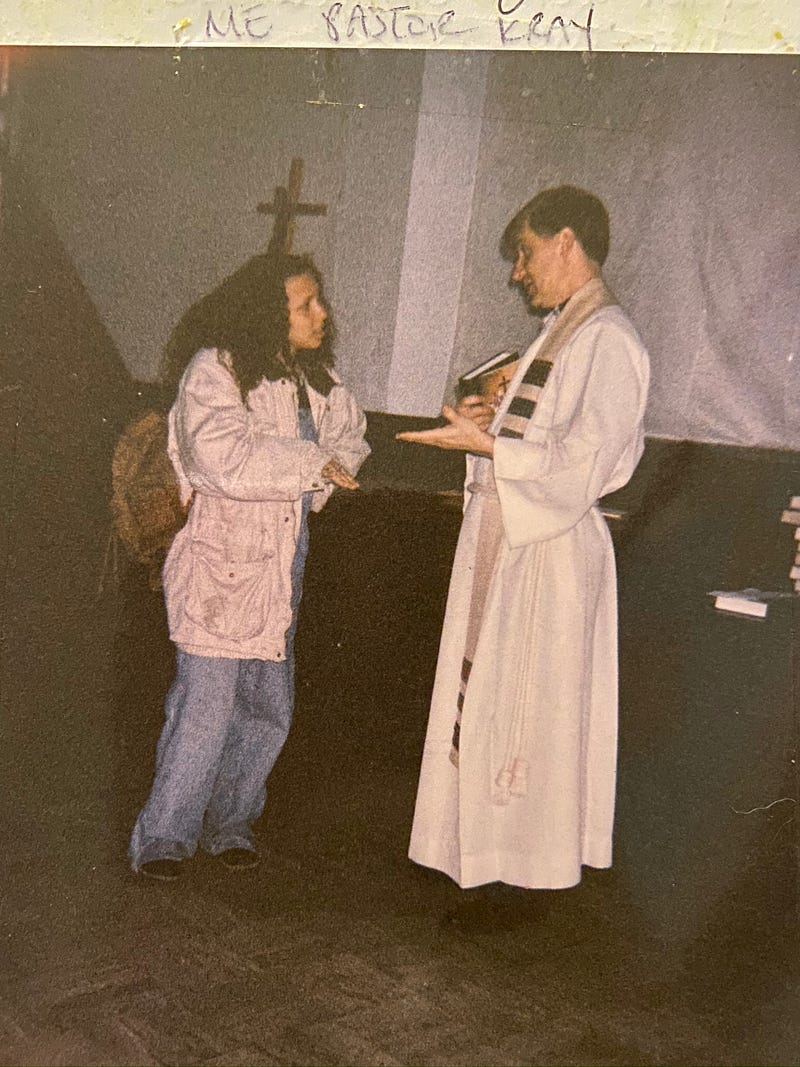
By 16, I started to seriously question my Christian faith and wonder what my own spiritual path was. I didn’t want to simply go along with the religion in which I was born if that wasn’t what I felt rang true for me.
Journaling helped me with this.
Journaling has helped me with EVERYTHING.

My journal has been my best friend- and if you’ve read any of my stories about some of the poor tastes I’ve had in some friends, you’ll see why this means a lot.
I seldom go more than 2 weeks without writing, unless I am in between journals (and need to buy one) or extremely busy.
It’s rare that I even need to buy one in recent years (although I love shopping for them) because it’s one of the easiest gifts for people to buy for me.
I ALWAYS need a new journal.
The one I started last month was given to me by a friend of mine last Christmas, as was the one I started last spring. My next one was given to me by a close friend as a birthday gift this year.
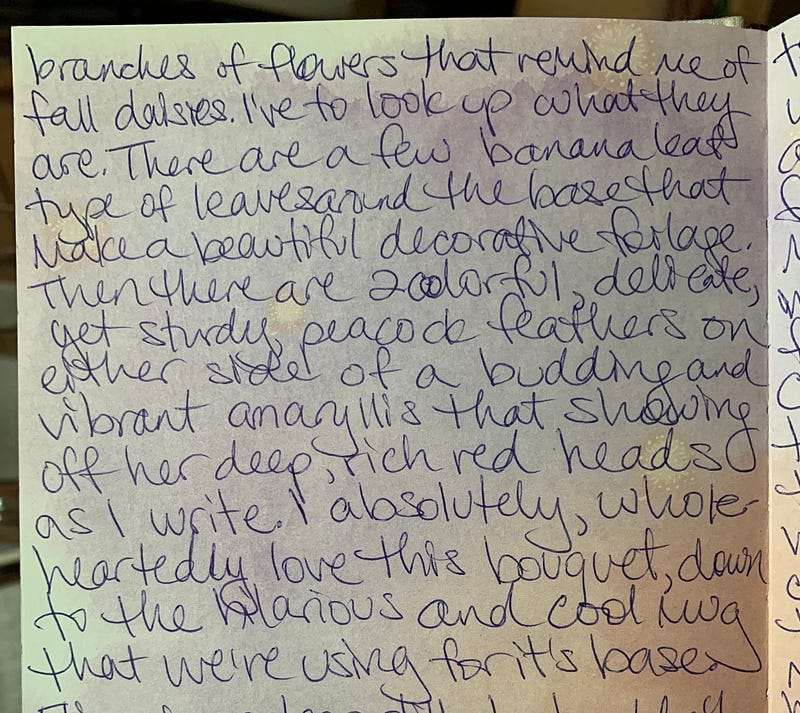
The above photo is an excerpt from my current journal. I wrote about this breathtaking flower arrangement that my partner put together and gave me for my birthday.
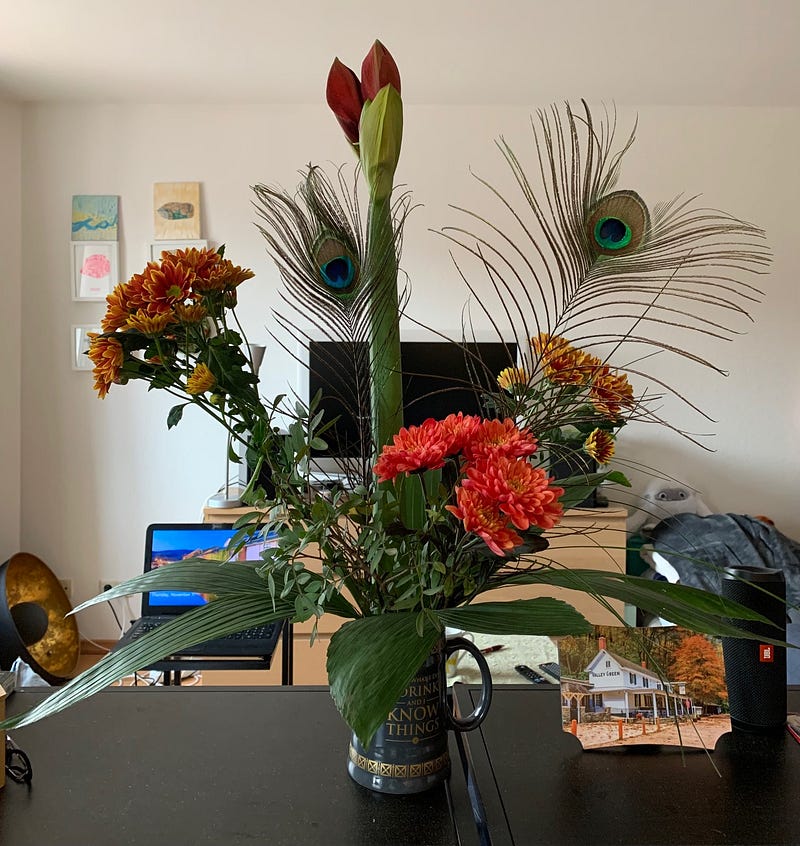
I am smitten with it, and didn’t even realize just how much so until I looked up at it and began writing about how it made me feel.
Funnily enough, a discussion I had with my partner last year is what made me realize just how remarkable the benefits of journaling are.
I had suggested that he give it a try, and look into evidence-based sources to which he could refer that would possibly help convince him to keep a journal.
The reason I’m sharing this here and now is because:
I credit my 33 years of continuous journal writing (as well as countless papers and essays in college) as the top reason that writing is fairly easy for me.
Journaling helps me clarify what I’m thinking and feeling.
I write about whatever I want, whenever I want (I just have to make the time and space).
It makes me feel free and unencumbered.
It helps me sleep better, especially when I have a lot on my mind.
I communicate better with others, friends, family, strangers, and co-workers, as a result.
At this point, I have around 200 journals and they are my most cherished material possession.
One of my favorite things to do is to look in old journals and find the date of the current date but in a different year.
Journals can help forge better memories, as well as help, remember memories that have long faded.
In some cases, I would not believe that I did certain things if I hadn’t read it in my own writing.
Memory is a funny thing….
If I haven’t yet convinced you yet to keep a journal, here are excerpts from 3 credible sources that might sway your decision:
Overall, journaling/expressive writing has been found to:
Boost your mood/affect;
Enhance your sense of well-being;
Reduce symptoms of depression before an important event (like an exam);
Reduce intrusion and avoidance symptoms post-trauma;
Improve your working memory (Baikie & Wilhelm, 2005).
In particular, journaling can be especially helpful for those with PTSD or a history of trauma.
From scientific geniuses to thoughtful artists — and everyone in between — keeping a journal can be a beneficial self-care practice. In fact, journaling can help you:
Achieve goals
Track progress and growth
Gain self-confidence
Improve writing and communication skills
Reduce stress and anxiety
Find inspiration
Strengthen memory
Try these tips to help you get started with journaling:
Try to write every day.
Make it easy.
Write or draw whatever feels right.
Use your journal as you see fit.
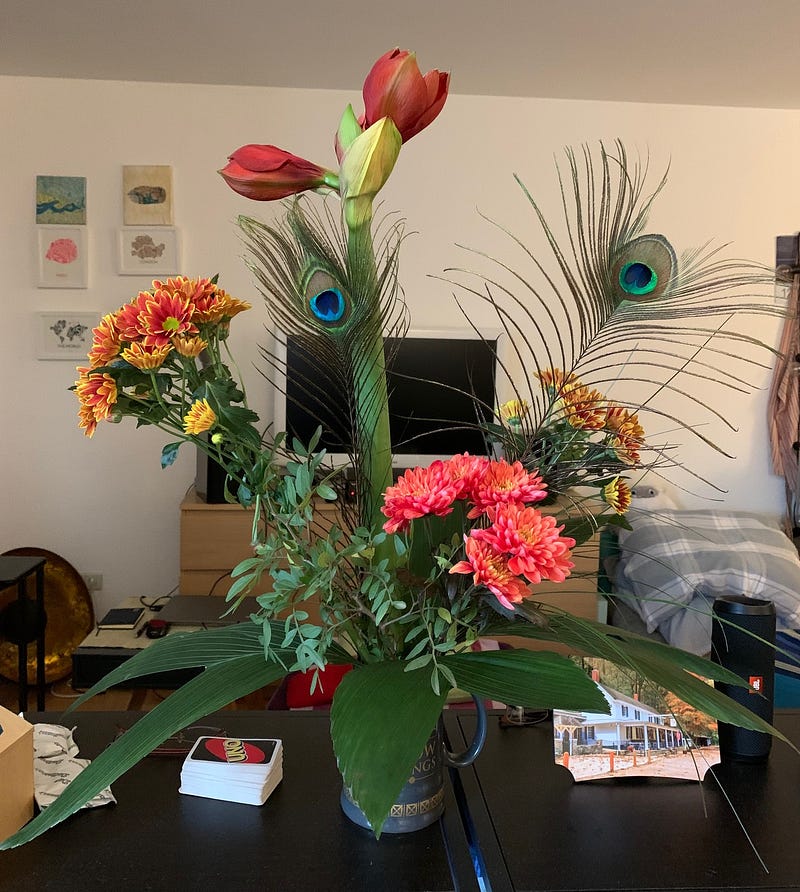
To put a smile on my face, if you haven’t already done so:
- CLICK HERE to sign up for a membership on Medium.


