
TRAVEL TALES | NEW ZEALAND
From Glaciers in the Clouds, Waterfalls in the Forest and Glowing Worms
Another day traveling along New Zealand’s west coast
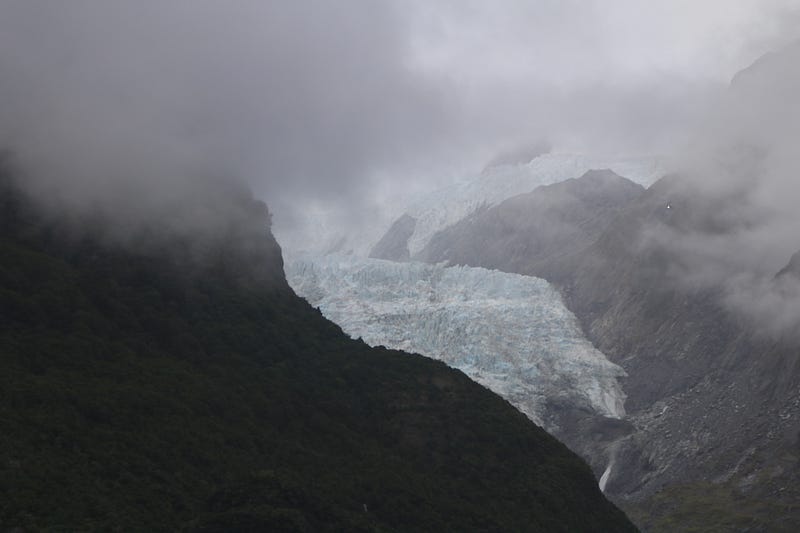
The glacier was just peeking out of the clouds giving us a glimpse of its sheet of ice and impressive appearance of running into a rainforest. That lush green and white ice were creating an incredible contrast
After two rainy days on the west coast, we woke to cloudy skies but also soon heard the first helicopters overhead making their way up for a glacier flight. Being in the business of aviation ourselves, we knew too well not to get into an aircraft in such changeable weather, especially with such low-hanging clouds.
Instead, we drove up the valley and headed for a short work just as a light drizzle began again. Walking through the lush green forest, we didn’t know if we’d see the glacier from so far down the valley but if we didn’t, at least we got a better view onto those waterfalls shooting out of the forest literally everywhere.
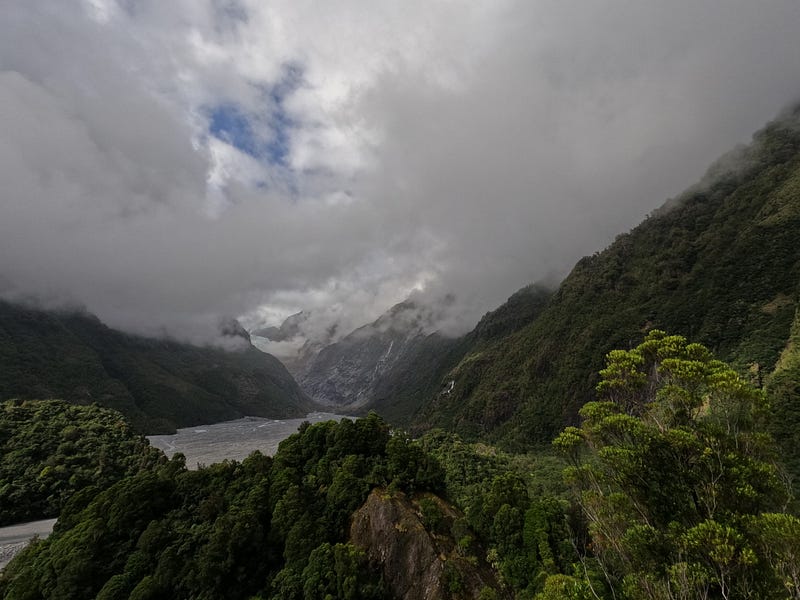
And to our surprise, the glacier did show itself. The viewpoint and closest spot one can walk these days toward Franz Josef Glacier, is about three kilometers away from the end of the sheet of ice but since the clouds lifted toward the end of the valley, we could get a glimpse of the beauty.
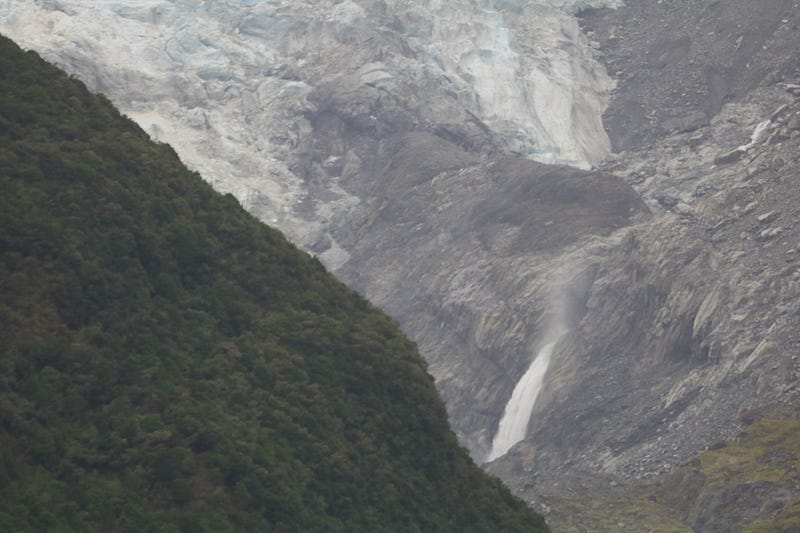
I noticed a strong stream of water shooting out of the rocks just below the last of the ice. A waterfall living off the melting of the glacier. Someone’s loss is someone else’s win, isn’t it always like that?
While the glacier might have seen better days, the waterfall was certainly somewhere close to its full power.
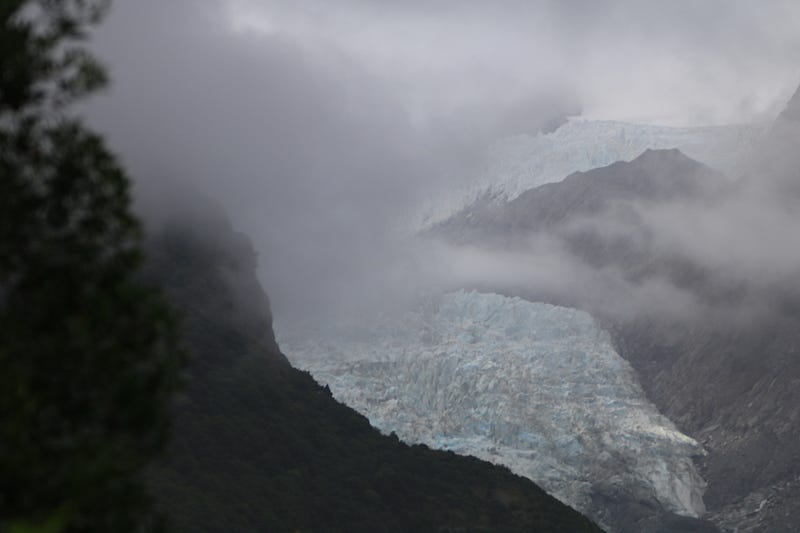
As the clouds deep in the valley were constantly moving, it was worth it to hang around for a little longer and wait to see what they showed. The lower part of the glacier or as much as we could see was cut deep with crevasses of deadly size.
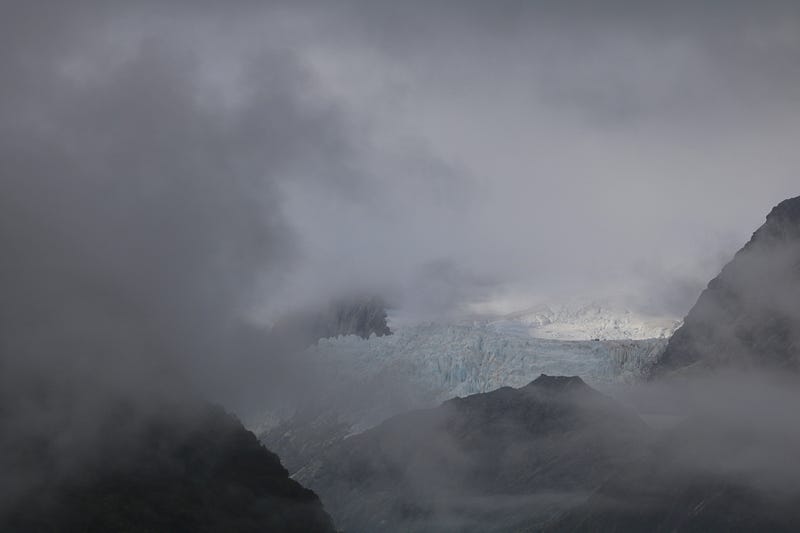
The one thing that does make Franz Josef Glacier stand out from the other ones in the world is that they run so far down into the valleys that they come in touch with the temperate rainforests of the west coast. As far as I know, that’s unique and nowhere else to be found.
“Together with the Fox Glacier 20 kilometres (12 mi) to the south, and a third glacier, it descends from the Southern Alps to less than 300 metres (980 ft) above sea level.” — Wikipedia
What I noticed and found interesting is that the Westerners coming to New Zealand either name mountains or glaciers according to the explorers who ‘first’ saw them or their queens and kings back home while the Māori, who did not only name every natural feature before the Westerners but also gave those things descriptive names as to how a mountain looks, sounds or has a connection to an old tale.
The Māori name of Franz Josef Glacier is translated ‘The tears of Hine Hukatere’ which refers to a climber who eventually got swept down the mountain.
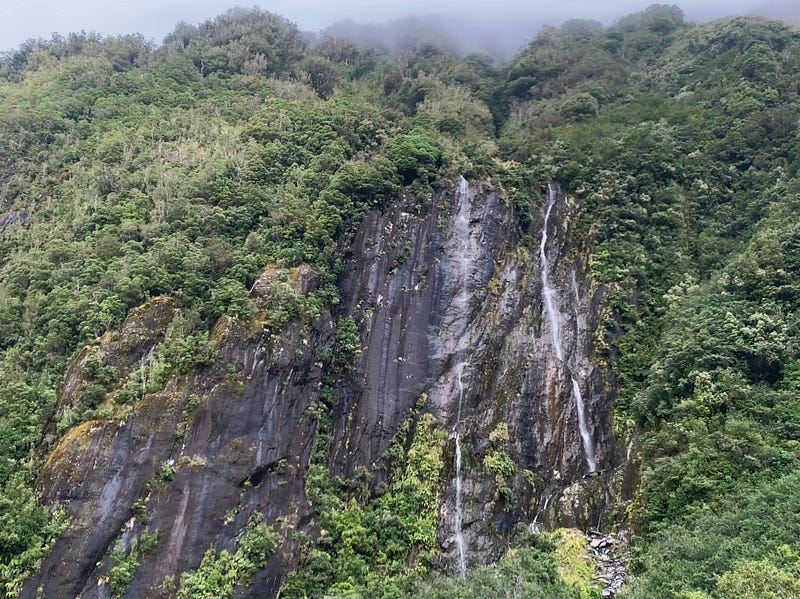
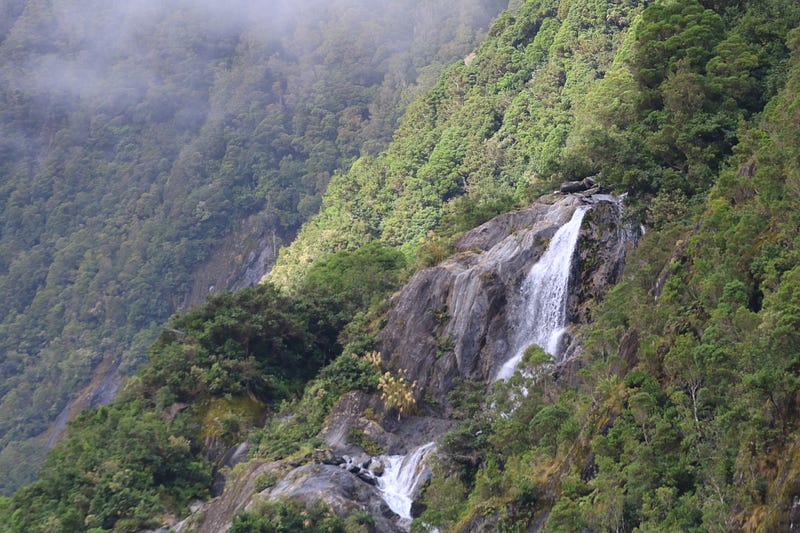
Talking about this rainforest. After more than 48 hours of almost nonstop rain, water is shooting down every gorge and cliff on the slopes. Waterfalls of all sizes and lengths were to be seen in the rainforest around us.
This meant our walk was certainly worth the effort in the rainy weather as we got to see both. The glacier and more than a dozen waterfalls. Nature shows off even if the sun doesn’t shine.
And with those words in mind, we turned around and headed back to the car.
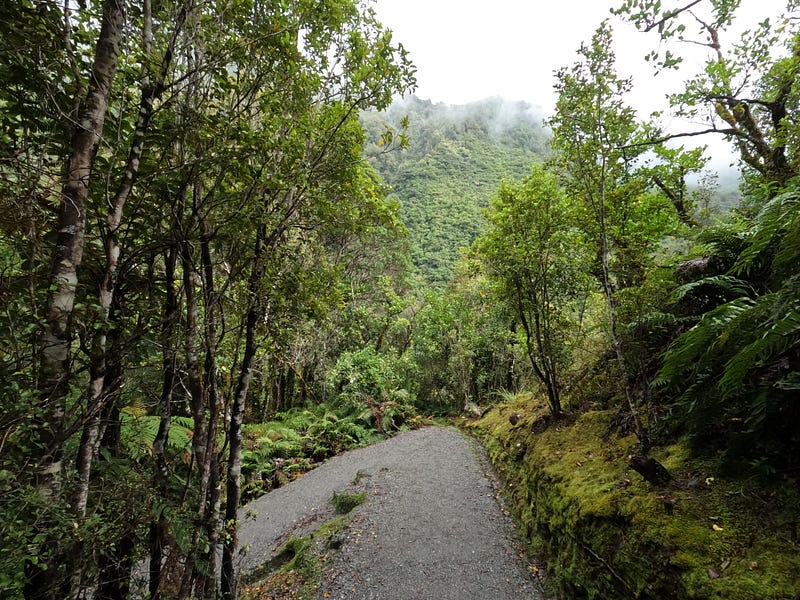
Our destination for the day wasn’t far up the coast and we followed the windy but scenic road past steep cliffs and forest-covered mountain slopes on one side and wild beaches on the other.
At one point the road was leading away from the coast and followed inland and just as scenic landscape. Several big rivers and lakes were beautifying the drive and at one such bodies of water we decided to pull off for a quick picnic. This would have been a great campsite as well but knew of more rain to come and did have in mind to get a bit further North still.
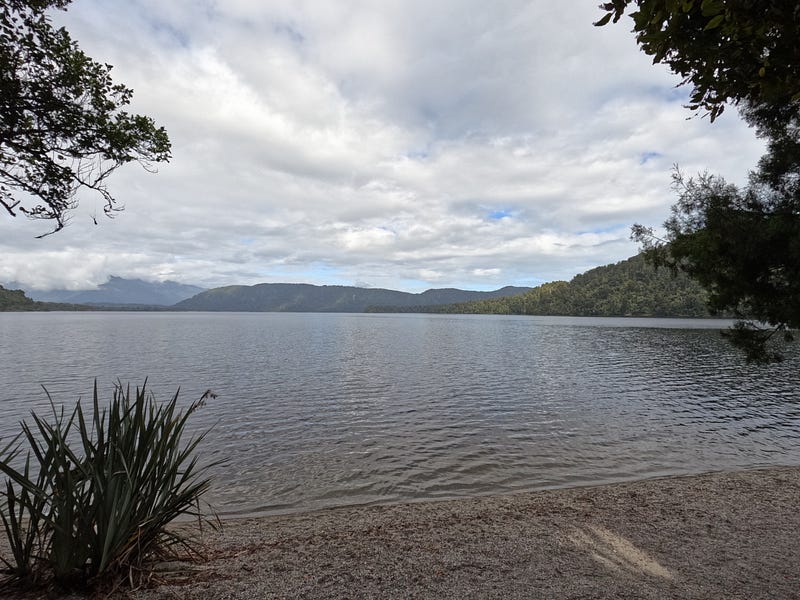
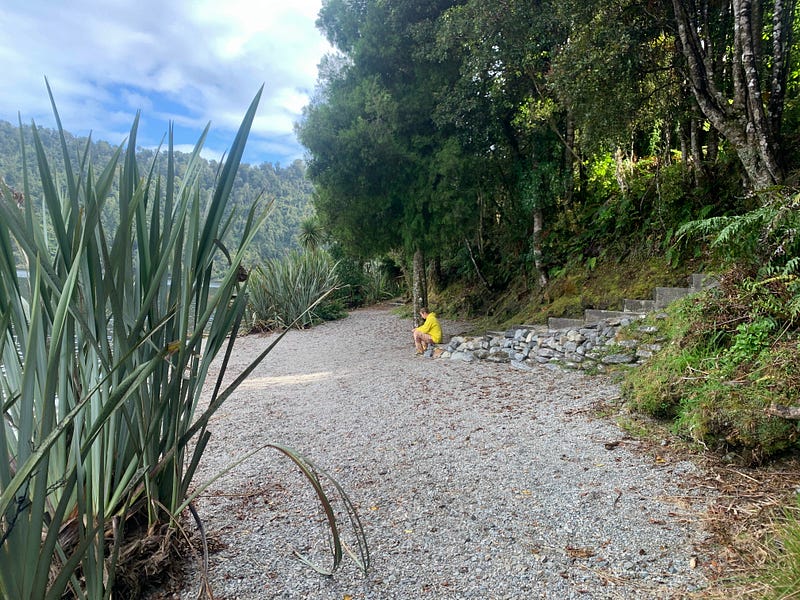
Not long after, we reached the town of Hokitika, bought some groceries in the supermarket and sat down on a bench overlooking the beach to enjoy a picnic.
Going for a stroll along the coastline, we passed the famous wooden sign of the town created of drift wood. Something this coastline offers in abundance. Just that armchair was a bit random. Made out of concrete and painted in colors it was erected in memory of someone.
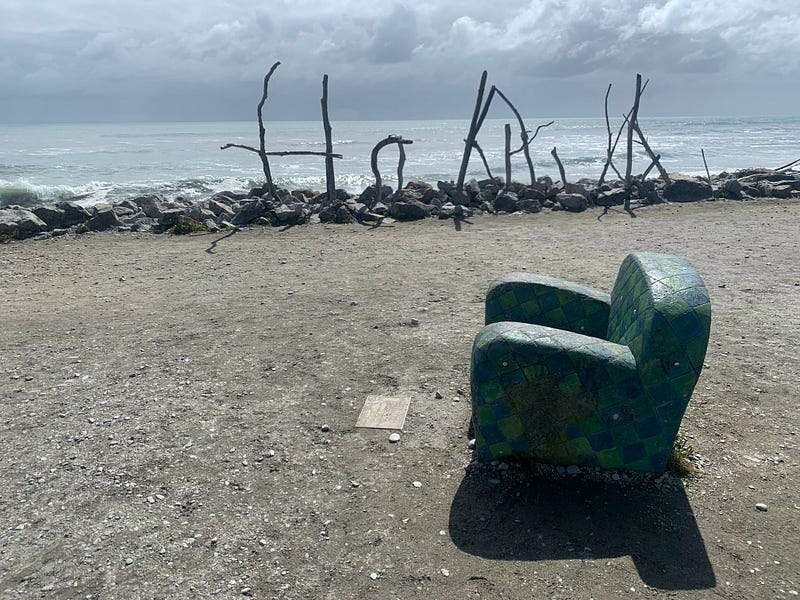
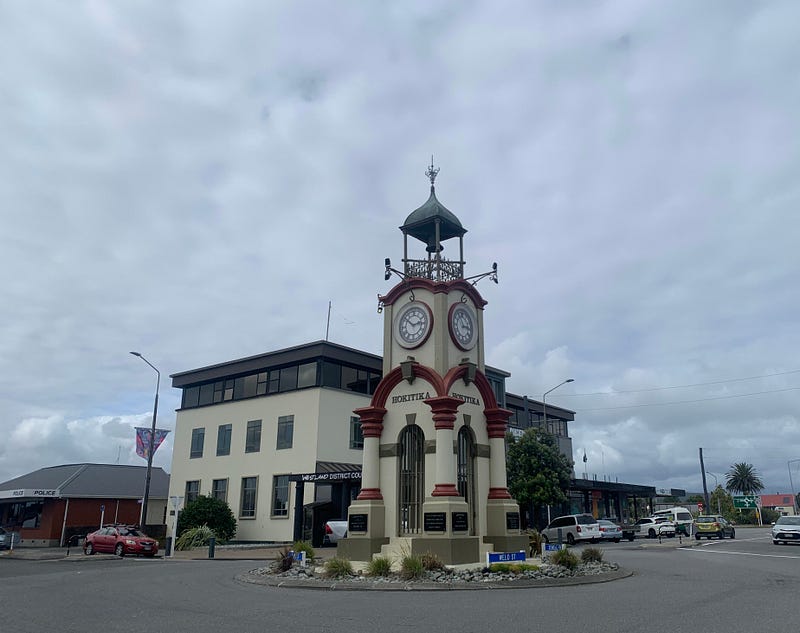
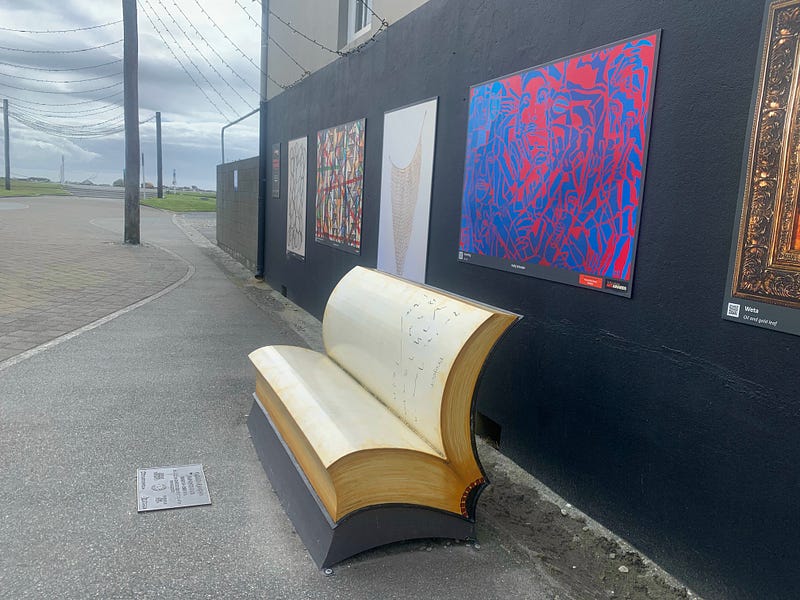
We entered the town, passed the clock tower and an art gallery behind which this creative bench was located that reminded me of a similar one Krasi Shapkarova captured not so long ago.
And yes, I did sit down for a moment. It sits comfortably, in case you were wondering.
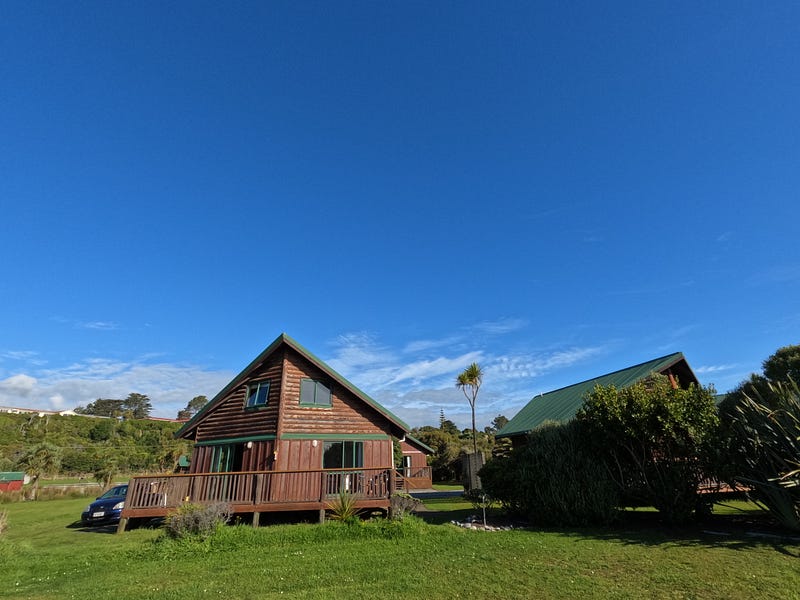
Just past 3 pm, we arrived at the holiday park where we checked into our room. David booked all the previous nights and with booking a room last minute, he got some accommodations we usually wouldn’t afford. This one was certainly of that category but a great treat thanks to direct beach access.
Despite the cold wind, we soon headed out again to walk along the beach. The sun was shining after all, so we had to make use of the nice weather after all.

Yes, I know. My outfit might not be out of the fashion magazine but I tell you what, I don’t care. I dress to be comfortable and that I certainly was. And warm.
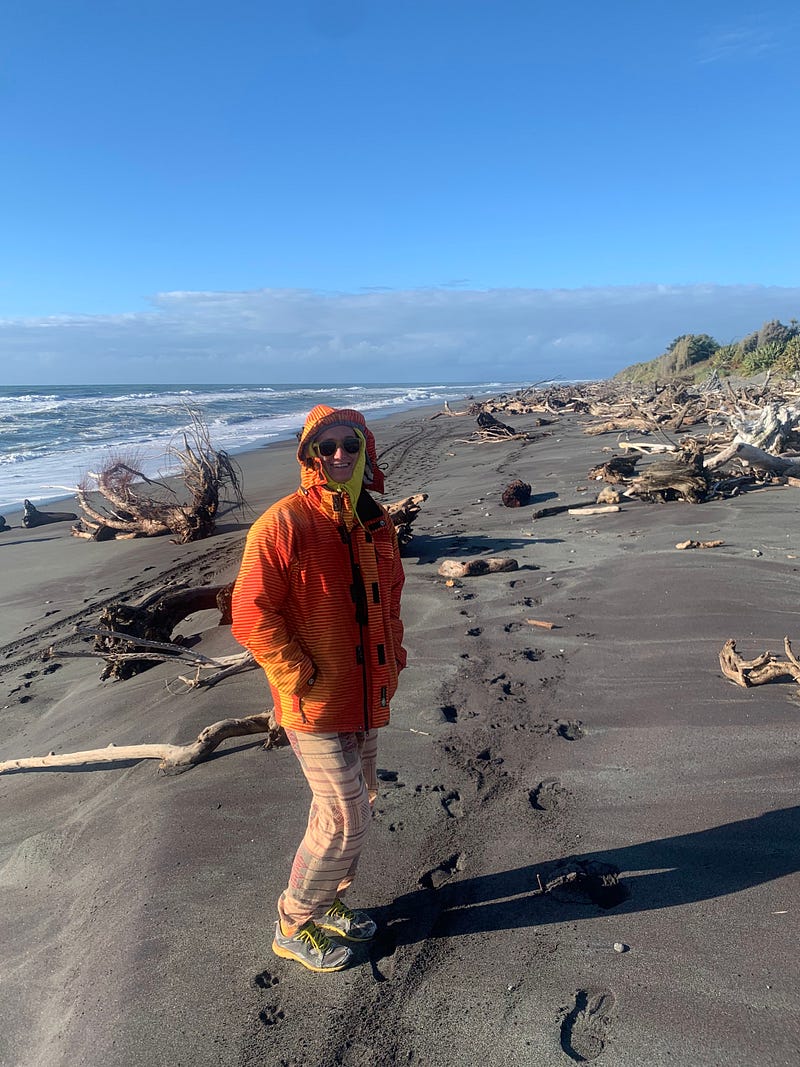
I mentioned earlier the driftwood. With lush rainforests reaching almost everywhere along the west coast up to the sea, most rivers carry tons of dead trees into the ocean where the waves then sweep them back onto land. And pile them up.
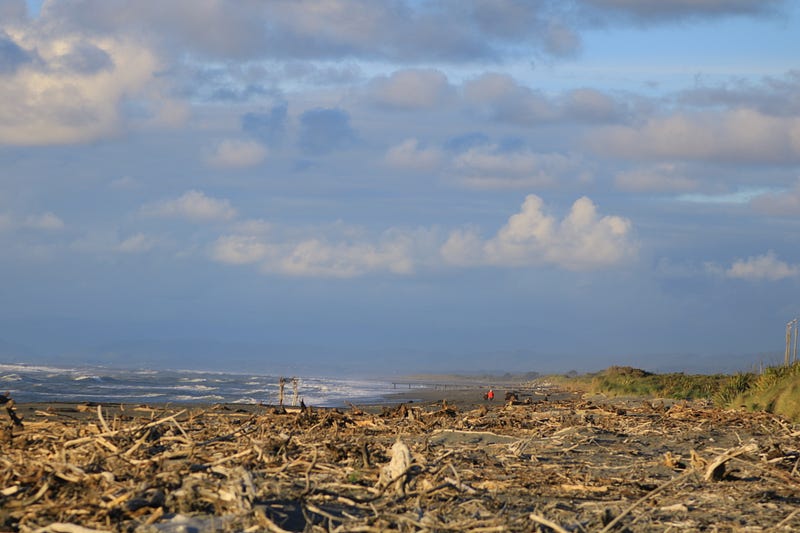
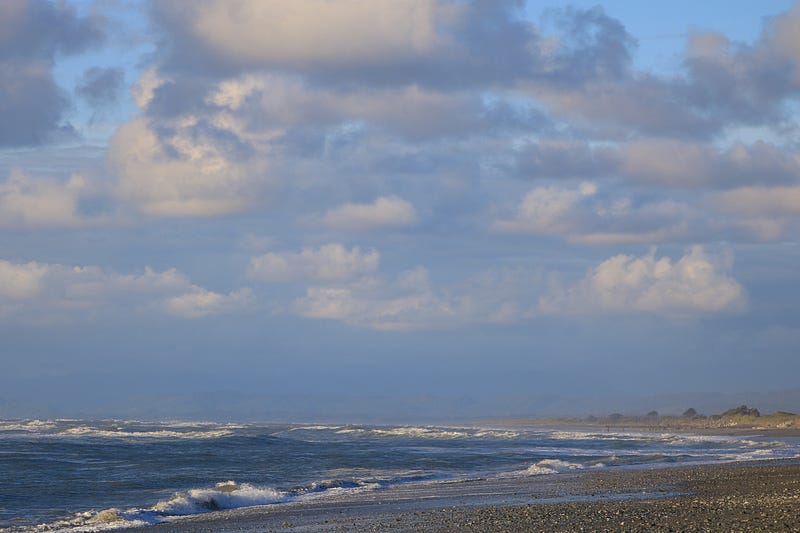
Many signs in town had warned of the rough sea but one didn’t have to tell us that. Looking out onto the water, we quickly spotted dangerous currents and riptides. Despite the cold, this was not a place to go for a swim.
However, the waves made up for some spectacular photographs.
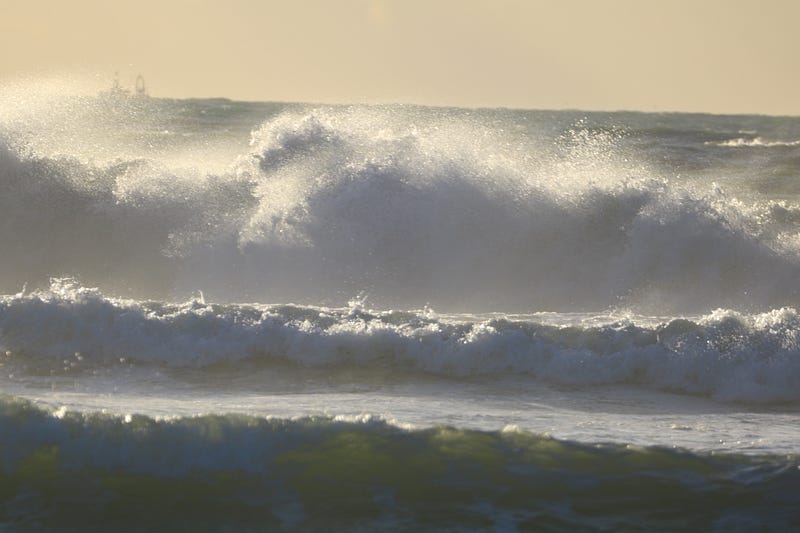
And while I thought I would be able to witness a beautiful sunset, the clouds moved back in just in time to block the setting sun on the horizon.
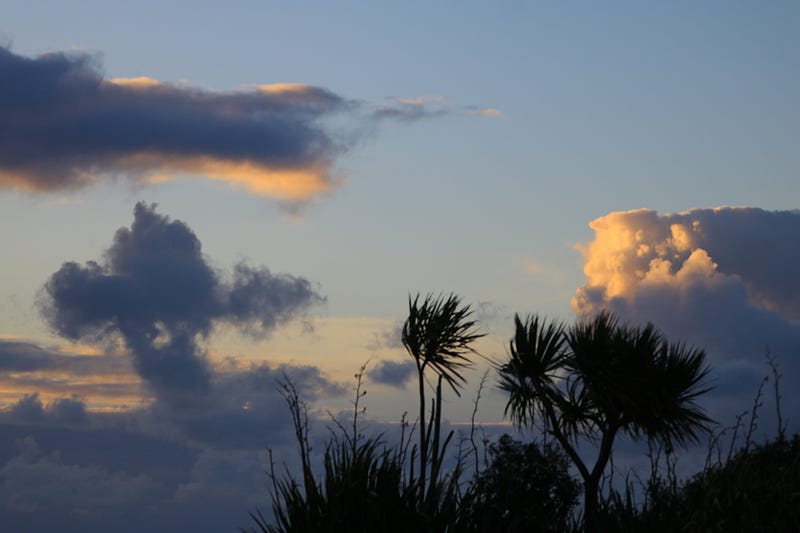
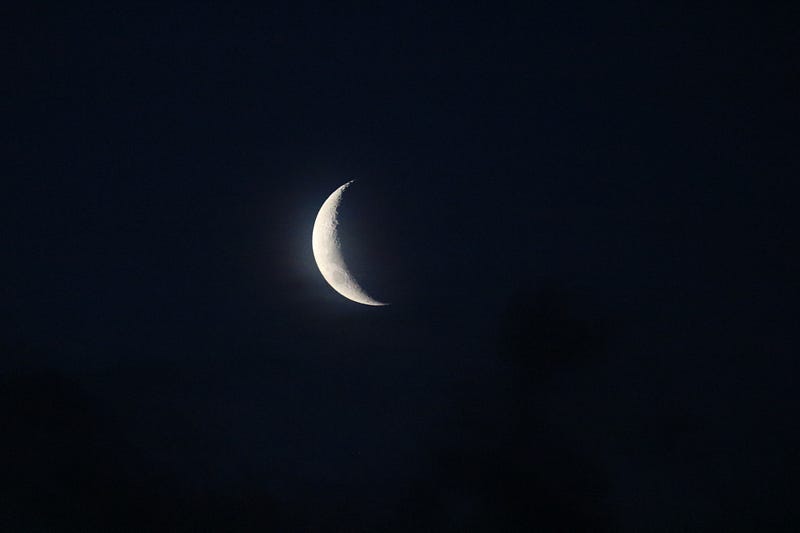
Instead, I could watch a sliver of the moon rise above the wild beach and nothing but darkness surrounding the light.
This was the moment we had been waiting for. While we didn’t know it at the time we booked the accommodation, our place had a secret bonus.
Just across the street from the reception was a glowworm dell. Yes, we had seen glowworms in fjordland already on a guided tour deep inside a cave and learned about them not being worms after all but maggots. However, glowing maggots wouldn’t sell on the tourist market and therefore they were named into glowworms.
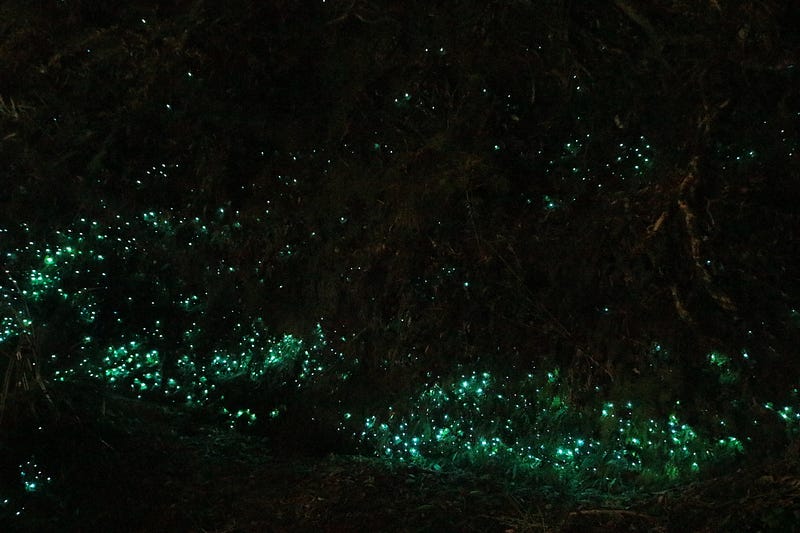
Here, there was no cave. Just a relatively busy road and a small patch of forest right behind. We walked in, torches off to get our eyes adjusted to the darkness and it didn’t take us long until we saw the glowing.
It felt unreal. To be outside a cave, just in a forest and see hundreds of glowing dots.
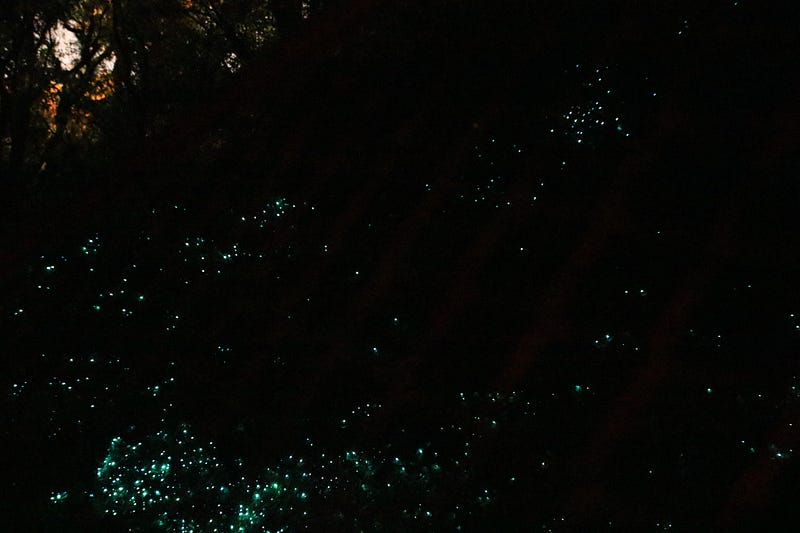
However, we weren’t alone and not all other visitors were as considerate as we were. Most of them entered the dell with their torches on because some idiot had left a review on Google saying one has to enter with a flashlight.
Some tourists even had what I called a spotlight on. As bright as their head torch was shining, nothing else would describe that source of light.
Now while, the external light source doesn’t just dim the glow of the light and prevent others (like me) to take pictures of the glowing worms in the darkness, flashlights do damage the glowing power of these unique insects which is why we weren’t allowed to carry a camera into the caves at Te Anau.
And since we’re in the era of smartphones, most of the tourists tried desperately to take a photograph of the worms with their phones using a torch to light the worms while clicking wildly pictures with their phone.
To say the least, it was incredibly annoying. David soon gave up and left the forest while I lasted a little longer standing behind my tripod waiting for the right moment to click a long exposure shot when nobody else had their light source on.
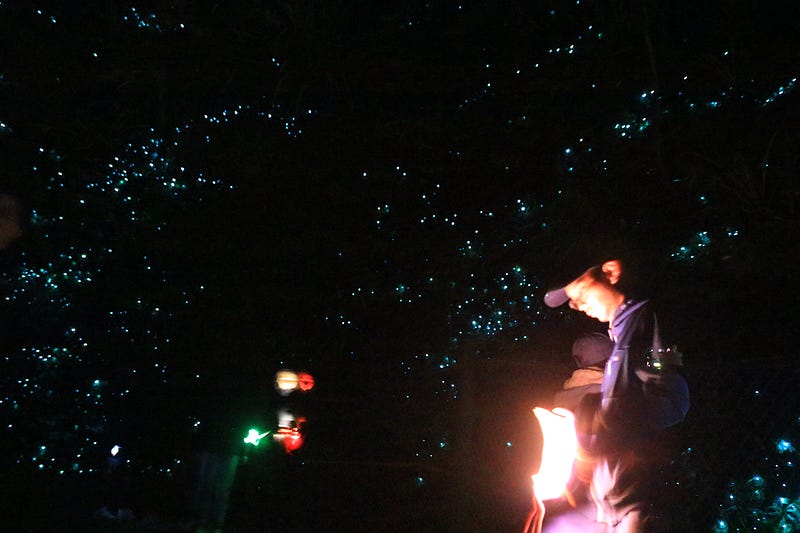
Since this spot was free to enter, twenty meters away from car park and right at the edge of town, one must deal with the side effects of irresponsible and ignorant humans.
Either way, the experience was unique and spectacular after all and I hope those glowing maggots remain visible for many more generations to see.
Time to sleep now? I do think so…
This was a challenge response to Globetrotter’s monthly prompt and if you’d like to read about more waterfalls, check out these stories below:
Sondra Singer - Still Vital with “The Waterfalls and Sights of Glacier National Park and Waterton-Glacier International Peace Park”
Todd Castor with “An Unlikely Waterfall Discovery”
If you’re interested in my New Zealand adventures, subscribe to my newsletter to stay updated or check in on my new list regularly. Join my email list here if you would like to read more photo essays (for free).
Shutterstock | Instagram | YouTube | Mailchimp | Amazon | Redbubble


