
From Debt to Freedom: Embracing a ‘Spend as You Earn’ Lifestyle
In the first three decades of my working life, credit card statements, personal loan notices, and housing mortgage payments were paramount. However, these financial obligations gradually accumulated to a point where my income struggled to keep up with the monthly outlays.
In addition to these debts, life presented its own array of expenses, including groceries, utilities, medical bills, supplements, and our children’s education. The list seemed endless, and indeed, it was.
Malaysia experienced a significant household debt crisis, reaching 76.6% of GDP in the post-Covid year of 2021. Although it decreased to 66.5% in the first quarter of 2023, it remained relatively high.
The statistics reveal a persistent trend of spending, likely driven by the availability of credit rather than actual income, which can be attributed to the high household debt-to-GDP ratio.
Thus, upon reaching the age of fifty-eight, I made a conscious decision to pursue a more fulfilling life, one not dominated by the need to work solely to pay bills. Tackling my debts became the top priority. Debt has a way of tethering us to an income stream even if our chosen vocation lacks satisfaction or fulfillment. It forces us to remain in jobs that may not align with our preferences.
Hence, my resolve to become debt-free came with a degree of trepidation, as it required relinquishing certain past comfortable behaviors:
- Impulsive Purchases
I used to make spur-of-the-moment purchases without much consideration for the cost. High-end brands like Michael Kors and Coach were not off-limits, thanks to the convenience of credit cards. Minimum payments seemed like an easy way to avoid immediate payment.
2. Non-Essential Purchases
Brand-name skincare products were a weakness of mine, often purchased with credit cards that had enticing collaborations with these brands. I realised that equally effective and affordable skincare options existed, like the BioEssence brand.
3. Spending Beyond Means
Booking holiday flights without a second thought led to losses when trips had to be canceled due to insufficient funds. Non-refundable, non-changeable tickets were a costly mistake.
4. Buying Groceries at High-End Stores
I had a habit of shopping at upscale supermarkets, where premium prices were attached to foreign brands. These groceries claimed to offer better health benefits but came at a significant cost.
5. Keeping Up with Trends
Living in a community often compelled me to keep up with the latest trends, whether it was purchasing unnecessary appliances or following fashion trends set by neighbours.
Breaking free from these habits led me to develop new ones to curb spending:
- Purposeful Spending
I now make purchases based on necessity and suitability for multiple family members rather than individual preferences. This includes finding ways to share expenses and reduce waste.
2. Curbing Non-Essential Purchases
Seeking cost-effective alternatives for daily items, from groceries to skincare, became a daily practice. Shopping at local supermarkets with lower prices significantly reduced expenses.
3. Deriving Value from Assets
I learned to utilise assets more efficiently, such as renting out a vacant property to generate additional income.
4. Spending Within Means
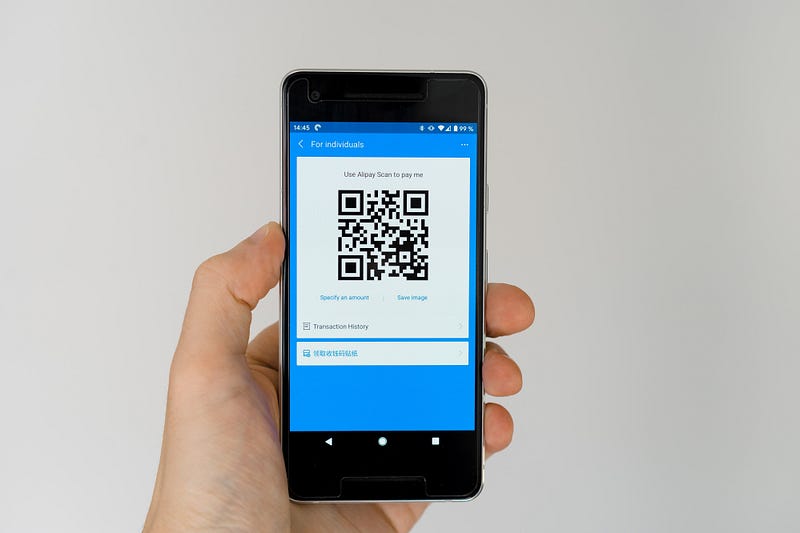
Transitioning from credit cards to e-Wallets and prepaid cards forced me to spend only what I had, promoting financial responsibility. The rise of fintech in Malaysia supported this shift towards responsible spending.
5. Setting My Trend
I stopped chasing trends and started embracing a more sustainable and cost-effective lifestyle. Second-hand furniture and inherited crockery replaced the need for trendier, more expensive items.
Shifting from a credit-dependent life to one where I spend in line with my earnings was undeniably challenging. While the decision to become debt-free was deliberate, it required a period of adjustment. During the initial months, I had to rely on friends for financial support when there was a shortfall. However, over time, things stabilized.
My advice for those considering a transition to a “spend as you earn” lifestyle is to ensure you have a financial cushion to support this change. It can be equivalent to three months’ worth of spending based on my experience. There are no foolproof calculations, but flexibility and determination are key. Ultimately, the goal is to lead a debt-free, stress-free, and meaningful life.
References:
- https://tradingeconomics.com/malaysia/households-debt-to-gdp#:~:text=Households%20Debt%20to%20GDP%20in,the%20third%20quarter%20of%202008. (accessed on 8 October 2023)
- https://ycpsolidiance.com/article/fintech-malaysia-overview-2022#:~:text=In%20comparison%20to%20other%20countries,boosted%20the%20country's%20economic%20outlook.(accessed on 8 October 2023)