
From Clueless Spender to Pro Budgeter
How to gain clarity and control emotion around money.

Ah, frustration — “the feeling of being annoyed or less confident because you cannot achieve what you want”. That was exactly what I had been feeling, annoyed, upset, and less confident when I couldn’t figure out where my money was going every month.
Growing up during communism, my parent’s generation was riddled with a “lack” mentality. They instilled in me the same fears and beliefs about money: that it’s extremely difficult to earn and quick to go to waste. In retrospect, my father was an excellent budgeter, and with the little that we had, he managed to make great investments for our future. He wrote everything down for years, and proudly tells my brother and me that he keeps tabs on every single cent he’s spent on us since the day we were born. I’ll ask for the number one day, I’m curious how much I’m worth.
I, on the other hand, had never been that thorough about my spendings, much to my father’s dismay. While earning my first salary, I would do what most people do: set aside money for rent, utilities, and food, and joyfully spend the rest. I always knew where my money was being spent because there wasn’t much of it to go around. My life was simple, I shared a modest apartment with a couple of roommates, ate lots of pasta, and went on cheap road trips, camping by the side of the road. When you’re young and debt-free, earning close to a minimum wage isn’t such a big deal.
Fast forward a few years, my status had changed: I was now a young doctor, fresh out of residency, on my way to building a practice. My fiancé, now husband, was a software developer and we had moved in together and joined incomes. I wasn’t making very much at that point, and relied on my partner who’s earnings seemed astronomical to me at the time. The sudden access to all this new money made me go a little overboard. I was clueless about budgeting such a large (to me) amount and believed we could afford anything. But by the end of the month, we would be tapped out, and I would feel baffled and guilty.
Childhood limiting beliefs
I would have loved for my parents to teach me an actual system to manage my money properly, but instead, this is all I registered from my childhood: that I’m foolish and wasteful with my allowance, that I don’t know how to handle money, that my brother is way better at saving money than I am, and that he has a talent for business, which I don’t. (They didn’t actually say I’m not good at earning money, but comparison tends to do that to siblings).
Having internalized all of the scolding above, that is exactly how I behaved. I was only frugal in the past because of my limited income and my fear of debt.
The “Lifestyle creep” trap
Another mindset change that was beginning to wreak havoc on our finances was feeling entitled. Suddenly, we had to change our lifestyle to match our beliefs about what we deserved. We started living beyond our means, slowly but surely: rented a bigger house, bought a brand new car and got in debt for it (classic, I know), went on frequent city breaks, ate out constantly and bought new clothes (I’m guilty of that one).
I was constantly frustrated and fearful about how little control I had over our family’s money. Had I known exactly where we stood, at all times, I wouldn’t have made unnecessary purchases. But there was no way of knowing that because there were too many bank accounts, too much cash and Euros scattered in envelopes all over the house. We had joined incomes without a strategy to be transparent and wise with our spending.
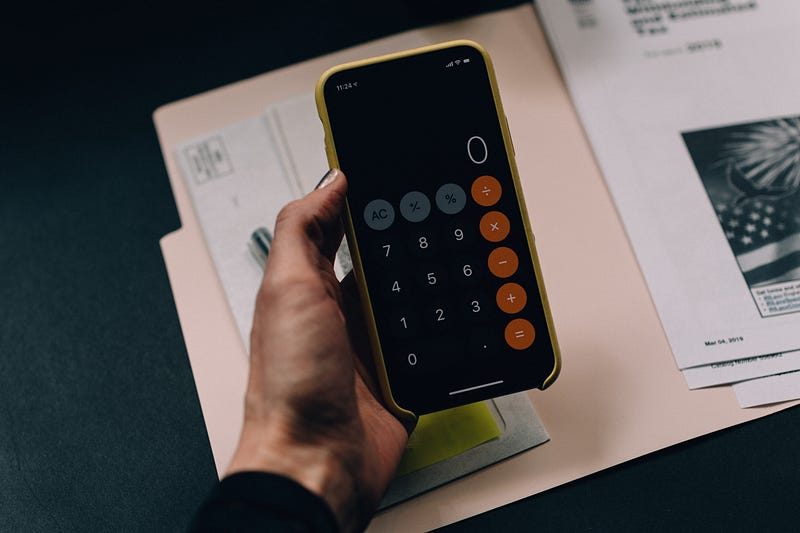
Pain is essential in changing our behavior, and I am grateful for our years of frustration and anger around money. We slowly started searching for answers and they came to us in the form of apps, books, and videos. Since applying these changes my mindset has been dramatically shifted and what we have been able to accomplish in a short period, I wouldn’t have thought possible. But most of all, I’m grateful for the peace of mind I now have around our finances.
In a nutshell, these are the principles and tools that we used to gain control over our money:
We started tracking our money
Surprisingly few people do this, nobody I know tracks ALL their spendings. While it’s a tedious process and takes a long time to become second nature (and believe me, I’ve fought the idea for a whole year before I finally embraced it), it is necessary.
We still had the same spending habits, but this time we had clarity. Clarity and a little bit of embarrassment over dumb purchases.
We got serious about budgeting
Tracking money alone won’t get you very far if it’s not coupled with some clear and serious goals. We would set some targets for every month but never managed to reach them because they weren’t specific enough and we didn’t have the structure of an app to check if we went over budget in real-time.
I was searching for a solution and finally found it. Discovering Jesse Mecham’s book, “You Need A Budget”, or YNAB for short, was the answer to all my prayers and has, since then, changed my life significantly. With the help of the book and YNAB app, we’ve managed to set some massive goals and make them automatic. But you don’t need to worry, any app will do, as long as you can find value in the following principles and do your best to apply them in your life:
1. Simplify.
Mercilessly reduce the number of credit cards you use, close those accounts one by one until you’re left with the essential. It’s a lot easier to track your money this way, not to mention it saves you from mental exhaustion.
2. Get your spouse on board.
Jesse Mecham’s idea of getting your partner involved in budgeting was making it fun, and that’s exactly what we did. At the end of every month, we have a budgeting date, over a glass of prosecco. We discuss our goals, what categories need some replenishing, what the previous month’s spending looks like. There are no fights, tears, or frustration, just facing an objective reality, and often getting excited and hopeful for the future.
3. Give every dollar a job.
This is pretty self-explanatory. Once in the habit of tracking money, it’s now easy to log every purchase under a certain category. At the beginning of the month, we assign every last bit of our income to specific categories, whether that’s food, insurance, or saving for a vacation.
4. No more unexpected expenses.
Changing your tires every once in a while, insurance that needs to be paid once per year, Christmas presents, or weddings you need to attend to — these are all things that you know are bound to happen, but for some reason, they always come as a huge surprise. There is a fix for this. Some may call it an emergency fund, YNAB might call it “Embrace your true expenses”, either way, you need to plan for these things ahead. We had to fix up our car the other day and the money was there, in the “Car maintenance” category, patiently waiting to be put to use. I can’t describe the satisfaction we felt.
5. Be flexible.
Trust me, I know how restricting the idea of budgeting can seem at first, I was under that impression for a long time. But the truth is that YOU are in charge, it’s your money, you can move it around to your heart’s desire. Whenever I would get an urge to buy something that wasn’t planned, I would look to see what categories I could move around in order to make that purchase. If it meant pulling money out of savings and I wasn’t willing to do that, my desire for that object would suddenly vanish. This was the peace of mind I was talking about — I knew I had bigger goals, and I wasn’t about to waste them because of an impulse buy.
6. Attack debt.
Gaining control around money made us less frivolous and more conscious about it. Suddenly, the debt that we had accumulated with the purchase of our car started to feel like a burden. We had big plans for the future and didn’t want to go into further debt to accomplish them. Enter Dave Ramsey, with his “gazelle-like focus and intensity”, and his “Live like no one else, so that later you can live like no one else” famous saying. His books and a plethora of videos and articles online motivated us to get intense about saving and get rid of our debt as soon as possible. Just imagine the amount of money you’ll free up every month, and how that “snow-ball” effect will work in your favor.
7. Stay sane.
Changing behavior around money is a hard thing to do, it won’t happen overnight. Budgeting can sometimes become a two-edged sword, it can hurt your feelings if you’re not careful. Don’t obsess about it, don’t restrict yourself to the point where you begin to resent it. After all, no amount of money can buy your health and sanity back. Take breaks, reward yourself, plan for a vacation (even though Dave Ramsey might frown upon it). Be responsible, but put yourself first.
I still find myself in a scarcity mindset more often than not and struggle with being grateful for the money that comes into my life. The negativity and trauma surrounding money in my childhood are deeply ingrained and won’t disappear with the simple use of an app. But at least I have solved one piece of the puzzle, and now I’m moving on to the next: finding abundance with money, both physical and emotional.
If you embark on this journey of getting your life together, start with identifying the reasons why you and money don’t get along so well. It may not be your fault, but it is your responsibility to take action and become the person you’ve always wanted to be.