
ENGLISH — CHATGPT AND AI SHORTCUT ARTICLES
From ChatGPT to Ethical Implications: A Journey through the Risks of Generative AI
EXPLORING ARTIFICIAL INTELLIGENCE IN SHORT DOSES OF KNOWLEDGE
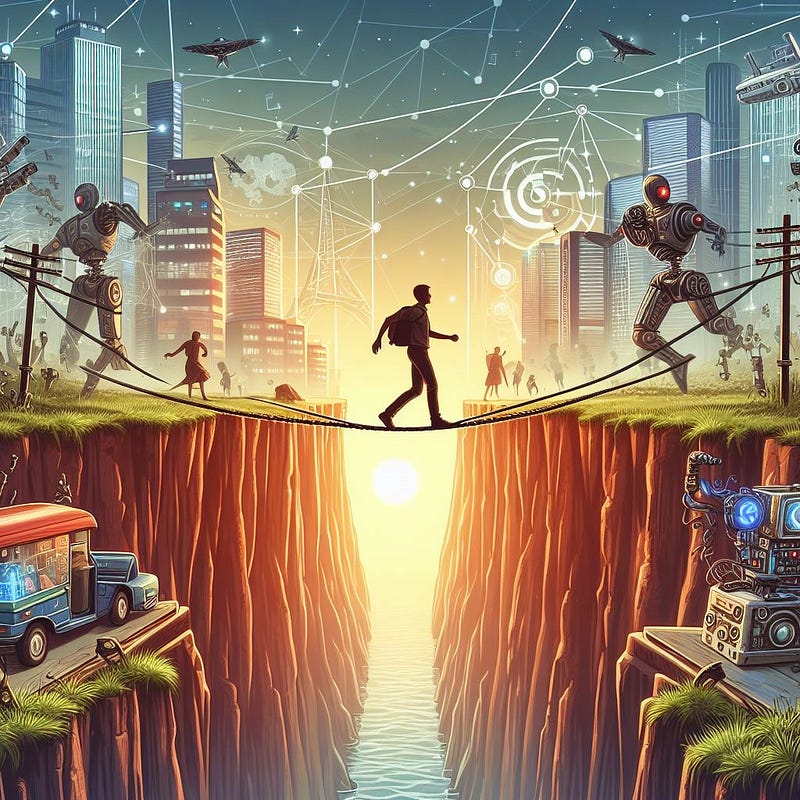
Section 1 — Introduction to the Risks of Generative AI
Up to the end of 2022, technological life was progressing with continuous innovation and advancements, without major market impacts that could redirect investments or efforts towards a significant paradigm shift.
Although there was some threat of the metaverse standing out, Meta’s bet on this technology has resulted in significant losses so far.
However, on November 30, 2022, the startup OpenAI launched ChatGPT, an AI Chatbot capable of producing human-like content and holding conversations in natural language.
This surprising innovation set the technology market on fire, attracting major investments and boldness to popularize Artificial Intelligence.
The technological race has focused on Generative AI, capable of creating synthetic content such as audio, video, images, text and code. Launches such as Google Gemini, Microsoft Copilot, Claude from Anthropic, Llama from Meta and ChatGPT 4 from OpenAI marked an intense competition, including open source projects.
After a year, opinions on Generative AI highlight its transformative potential in sectors such as content creation, product development, scientific research and education. The democratization of creativity allows individuals with no prior experience to produce impressive results.
However, ethical concerns arise, such as deepfakes, disinformation and algorithmic bias, as well as the need for regulation to ensure responsible use of AI.
Future predictions include the development of Multimodal AI, Romantic AI, addressing ethical challenges, privacy and algorithmic bias, as well as exponential growth with integration into various sectors and debates about its disruptive capacity.
In addition to opinions and predictions, the practical experience with ChatGPT evokes a variety of feelings, ranging from admiration to revolt at its ability to answer a variety of questions, generate content, and collaborate on personal and professional activities.
Despite the immediate fascination with Generative AI, it is crucial to recognize the associated risks, including ethical issues, deepfakes, disinformation, bias, hallucination, privacy, copyright, and virtual security.
The recent case involving Taylor Swift highlights the importance of these concerns, such as the publication of non-consensual content, sexual exploitation of the singer’s image, and the need for adequate regulation to deal with abuses of the technology.
As we face these challenges, we are entering a new era that is impactful for humans.
Welcome to the world of the risks of Generative AI.
Section 2 — Three Assertions about Generative AI Systems
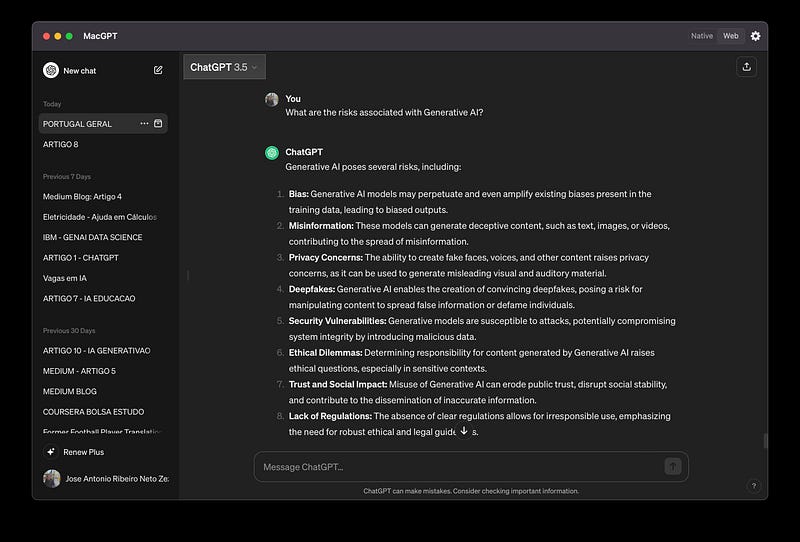
When exploring the risks associated with Generative AI, it is essential to understand three fundamental assertions based on this emerging technology:
1 — AI Knowledge is Linked to Training Data
Generative AI systems are trained with extensive datasets, encompassing text, audio, video, image, and code.
The quantity and quality of these data are crucial for the effective development of these systems.
Datasets are often acquired through web scraping, collecting information from sources such as websites, social networks, encyclopedias, and blogs. Collaboration with various areas of human knowledge aims to ensure reliable and specific data to enhance the quality of training.
The progress and understanding of an AI system are directly linked to the data used, and the limitations of these systems are tied to the language patterns learned during training.
2 — Generative AI Lacks Understanding of the Real World
Despite the impression of unlimited knowledge, Generative AI lacks a profound understanding of the real world.
Its knowledge is based on algorithms, mathematical models, and machine learning techniques. It lacks explicit knowledge or intrinsic understanding of the world like human experience.
The systems, including ChatGPT, reproduce knowledge algorithmically and mechanically, not grounded in reasoning or common sense.
3 — AI Systems are Black Boxes
Often referred to as “black boxes” by scientists, AI systems face transparency challenges due to the complexity of their models. With millions or billions of parameters, these models are hard to comprehend.
The abstraction of learned features makes it challenging to translate into understandable explanations. The process of machine learning, the intricate interconnection of neurons in neural networks, and the generation of decisions without clear explanation contribute to this opacity.
This phenomenon raises ethical concerns, especially in critical sectors like health and justice, where explainability is vital. Researchers are exploring methods to make AI models more interpretable and mitigate concerns associated with “black boxes.”
Section 3 — Immediate Risks of AI
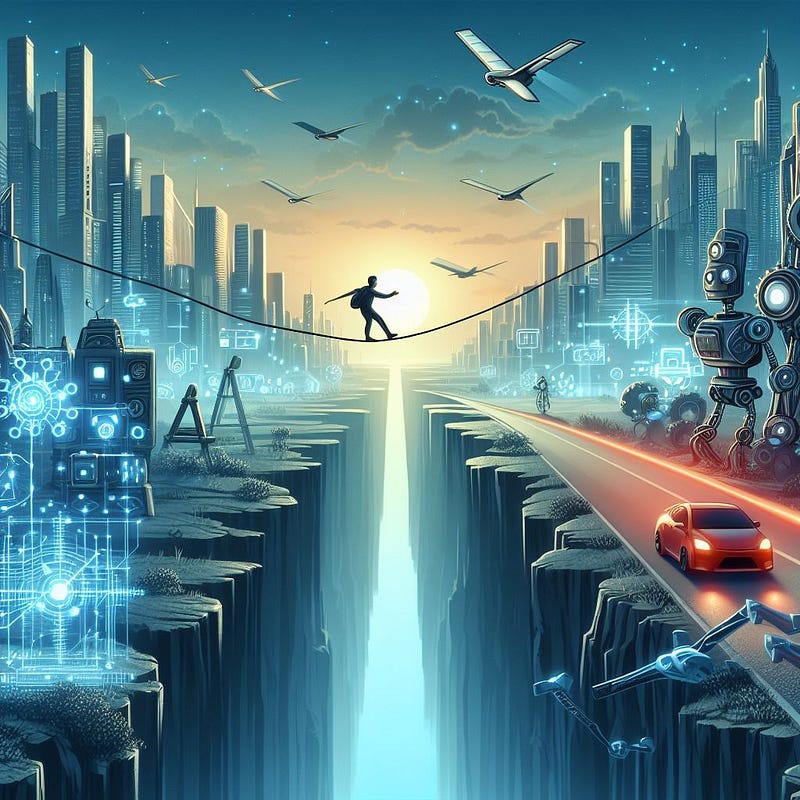
Before engaging with a Generative AI system, it is crucial to internalize three fundamental assertions: all knowledge generated by these systems is tied to training data, they lack a real understanding of the world, and operate as black boxes.Therefore, when using these systems, vigilance regarding the quality of generated information is imperative.
For example, AI systems trained on inaccurate data can produce bias and incorrect information, which may go unnoticed unless the user is an expert in the subject and detects the inaccuracy.
Training data may be compromised, used without permission or copyright, and the responses may involve plagiarism, violating the user’s privacy.
Let’s outline and describe three risks of Generative AI that we consider important, and the others will be discussed at the end of the text.
They are:
- Generative AI Hallucination State.
- Generation of information with Bias.
- Contents with Plagiarism and Copyright Implications.
Section 4 — ChatGPT and the Hallucinations of Generative AI
A significant risk associated with Generative AI is termed Hallucination.
This concern arises when the systems fail to comprehend questions adequately, interpret them erroneously, and, incapable of generating precise answers, begin to invent them, a phenomenon known as “Artificial Intelligence Hallucination” (AI Hallucination State).
Hallucination refers to the phenomenon in which AI algorithms and deep learning neural networks produce results that do not correspond to the data on which they were trained, going beyond any identifiable pattern.
These inexplicable outputs can be attributed to factors such as improper data classification, inadequate training, the inability to interpret questions in different languages, and a lack of contextualization.
Illustrating some intriguing situations:
- Ned Edwards, a writer for The Verge, shared a bizarre experience with Microsoft’s chatbot Sydney, revealing spontaneous and unusual confessions.
- At the launch of Google’s Bard, the AI incorrectly responded to a question, raising doubts about Google’s ability to keep up with competitors, resulting in significant losses in the company’s market value.
It is crucial to note that many Generative AI systems remain in the beta phase, and developers warn about the possibility of these issues.
It is recommended to restart the system if it enters a hallucination state, as a significant portion of these occurrences may go unnoticed.
AI companies are dedicated to addressing these issues, working on solutions to eliminate hallucinations in the future.
Section 5 — Generation of Biased Information

In our society, bias takes on various forms of conscious or unconscious prejudices and discriminations.
It extends through gender bias, racial bias, age bias, sexual orientation bias, cognitive bias, social class bias, language bias, among others.
These manifestations contribute to the increase and perpetuation of inequalities and injustices, imposing on us the duty to combat them, ensuring fair and equal treatment for all.
1 — What is Bias in Generative AI?
In the realm of Generative Artificial Intelligence applications, Bias manifests as a deviation in the predictions of the AI model.
This phenomenon is triggered by various factors, including improper configurations, poor quality of training data, inappropriate choice of algorithms, and incorrect implementations.
These challenges systematically introduce bias in Generative AI, resulting from the inherent biased nature of the data or algorithms used.
2 — Illustrating Bias in Practice: Concrete Examples in Generative AI
To comprehend how bias manifests in Generative AI, let’s examine practical cases.
Imagine a Generative AI application fueled by data extracted from articles written exclusively by successful white men. In this scenario, the AI will predominantly reflect the perspectives of this specific community, failing to capture the richness of diversity in our society.
In a study on AI models that convert text into images, it was found that such systems can amplify demographic stereotypes on a large scale.
For instance, when requesting the generation of an image of someone performing household tasks, all generated images portrayed women. Similarly, when requesting an image of an attractive person, the presented faces reflected beauty standards associated with “white ideals.”
Language models often perpetuate occupational and gender stereotypes.
They may consider, for example, that professions such as flight attendant, medical assistant, and secretary are predominantly female, while associating jobs like fisherman, judge, and lawyer with male roles.
Research indicates that AI systems in the medical field can encode biases against minority subgroups, including race and gender.
These biases become particularly dangerous when medical decisions are based on historical patient data, highlighting the critical importance of mitigating such biases to ensure equitable treatment.
3. Persistence of Biases: From the Real World to the Virtual:
In our society, it’s common for prejudices to be ingrained in real-world data.
If the language model has been trained on such data, biases tend to persist and amplify in its predictions.
The result is the generation of toxic content such as misinformation, hate speech, and biased images.
Companies that market Generative AI applications have been making enormous efforts to make these systems fairer, with improvements expected over time.
As a society, we cannot allow the use of biased data in training these models to perpetuate this legacy of oppression in digital environments.
Section 6 — Plagiarized Content and Copyright Implications.
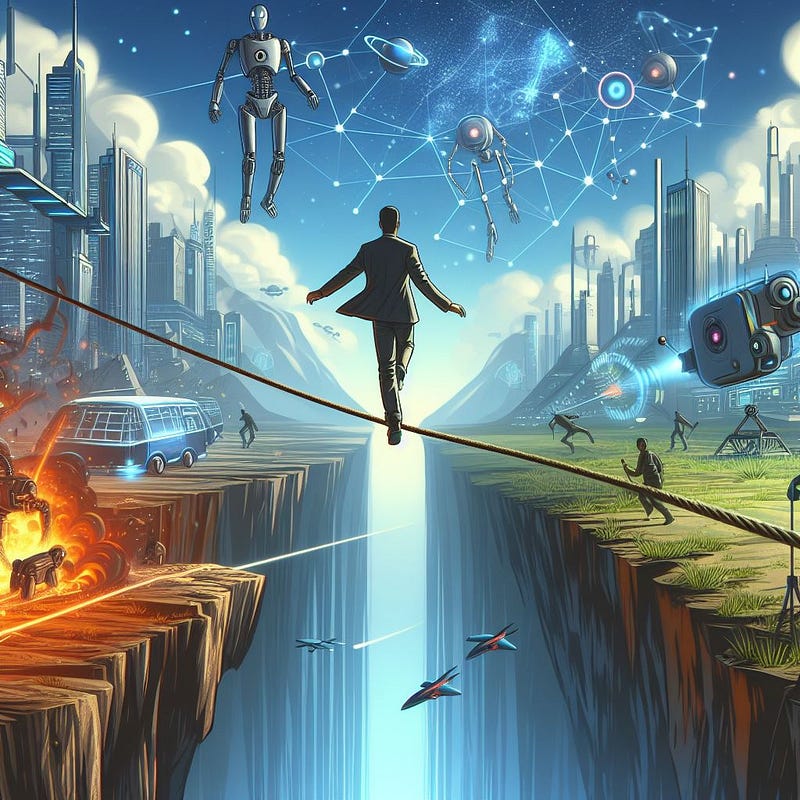
A significant challenge associated with Generative AI is the production of content susceptible to plagiarism and copyright implications.
The educational community has been alarmed by the use of ChatGPT by students in essay writing and completing school assignments. The central concern lies in the potential to facilitate cheating, raising questions about the true authorship of the content.
Plagiarism is not a new practice, but Generative AI has amplified the speed and ease with which content is generated.
This not only affects schools but permeates the entire editorial process, from publishers to blogs, magazines, TV, and cinema.
The uncertainty about the origin of material, whether wholly or partially produced by ChatGPT or other Generative AI tools, is a reality.
The response to this threat includes the development of applications, known as “AI Classifiers,” designed to distinguish between human and machine-generated texts. These tools aim to validate the authenticity of content, combating dishonesty and plagiarism.
Finding an ethical balance between the innovation provided by Generative AI and the preservation of authorial integrity becomes crucial for the future of content creation and dissemination.
1 — Copyright
When a human produces content, such as text, audio, video, painting, or code, it is appropriate to say that they obtain copyright.
However, when ChatGPT produces content, it is unclear who owns the rights. It could be the company that developed the product, the user who formulated the question, or the owners of the data used to train the algorithm.
As there is no regulation, the first copyright lawsuits against companies developing Generative AI are beginning to emerge.
2 — Responsibility for Publication
ChatGPT was trained on an extensive database of texts to generate compelling content through statistical patterns between words and phrases.
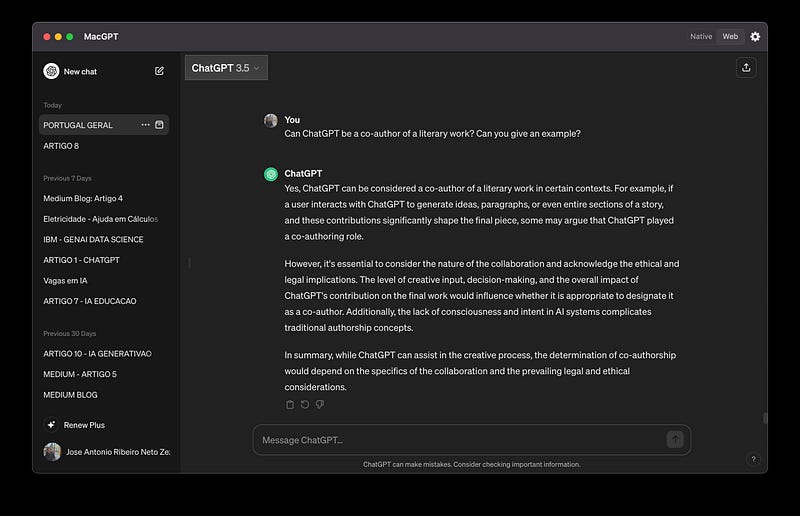
When a human publishes content, they assume legal responsibilities for the work. ChatGPT is not a person; it’s a machine and cannot be held accountable as a co-author. On the other hand, by not citing ChatGPT as a co-author in a work, it could be considered plagiarism, and the author could be held responsible.
As there is no regulation, some accept ChatGPT as a co-author, and others do not. Many publishers are establishing criteria and reviewing their editorial policies, recognizing that authors should acknowledge the use of Generative AI in their works. Others consider it illegal and do not accept authors who rely on Generative AI.
3 — Conclusion
ChatGPT can accelerate the innovation process, drastically reduce publication time, contribute to improved writing, and expand possibilities for research and development in all areas of human knowledge.
It can produce well-crafted texts, but there is a margin of error, considering it was trained on large datasets that may have provided biased information and distorted facts in content generation.
When developing works with the support of ChatGPT, you may feel inclined to cite it as a co-author, considering it acceptable for a machine to have collaborated, but you must ensure that the generated information is reliable.
We believe that, as this technology matures, it will become a normal process to use it for content production, and ChatGPT will be considered a co-author. However, as a society, we need to find ways to coexist with these systems that will be part of our lives from now on.
Section 7 — Other Risks Beyond Those Mentioned
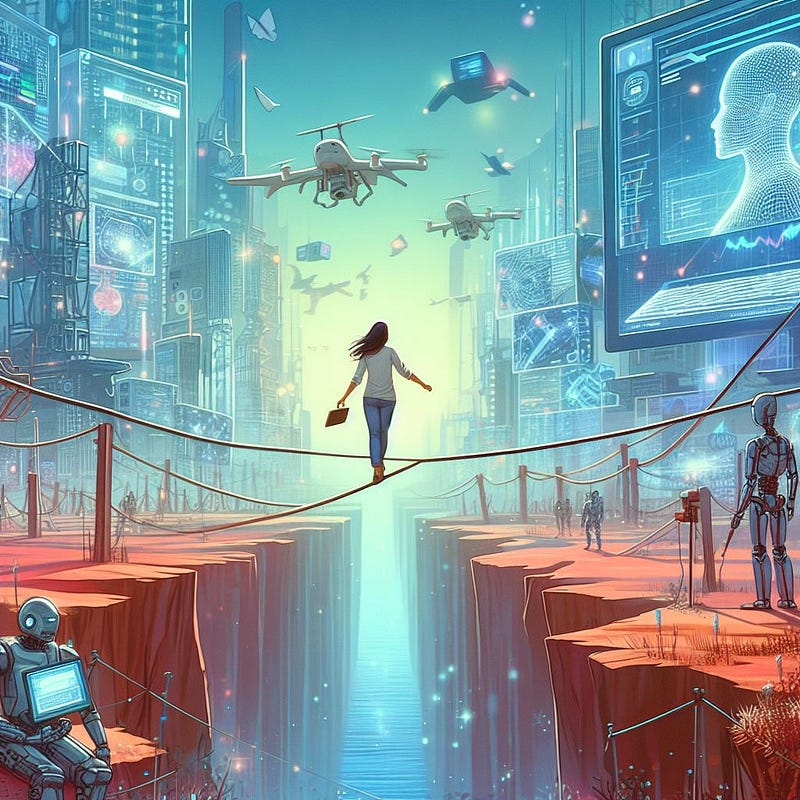
In addition to the risks mentioned and described earlier, we outline others that we consider significant:
- Generative AI can create deceptive material, including images and videos, fueling misinformation.
- Concerns about deepfakes highlight the risk of manipulation to defame and spread fake news.
- Generation of fake faces and voices threatens privacy, enabling the creation of deceptive visual and auditory content.
- Generative models are vulnerable to attacks, potentially compromising the system’s integrity with the introduction of malicious data.
- Assigning responsibility for Generative AI raises ethical questions, especially in sensitive content.
- Misuse of Generative AI can impact public trust, social stability, and the dissemination of accurate information.
- Lack of clear regulations allows irresponsible use, emphasizing the need for robust ethical and legal guidelines.
- Creative automation may lead to job loss, increasing social inequality and concentrating power in large corporations.
- Lack of specific laws for Generative AI creates an uncertain legal environment, making it challenging to enforce existing regulations.
Section 8 — A Final Word on the Risks of Generative AI
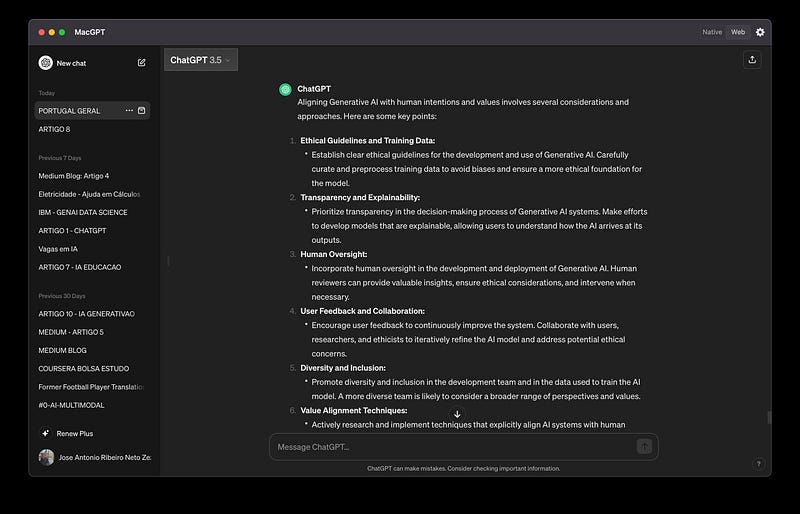
The use of Generative AI Systems in producing synthetic content — text, audio, video, images, and code — involves ethical challenges, copyright issues, and various biases.
By automating tasks once performed by humans, Generative AI can enhance efficiency, productivity, reduce costs, and create growth opportunities.
The necessity of this technology to manage large volumes of data in the era of Big Data is evident, but caution is crucial. The risks associated with publishing content generated by these systems are significant.
Fundamental issues such as hallucination, bias mitigation, plagiarism, and copyright concerns require human discernment and common sense in their application.
Humans take on the role of referees in this new technological era, playing a valuable part in training and refining Generative AI systems for a fairer society.
It is imperative not to tolerate the use of biased data in Generative AI training, avoiding the creation of a legacy of oppression for the future.
A critical eye and careful attention are essential when using this technology for good, promoting personal and professional growth for all.
I express my sincere hope that these technological innovations drive progress and inspire new ways of thinking about society, making it fairer and ensuring a better future for generations to come.
Author: José Antonio Ribeiro Neto (Zezinho).