
From Battlefield to Boardroom: The Art of Military Leadership in the Business World
5 key leadership principals that prime you for success in the military and business
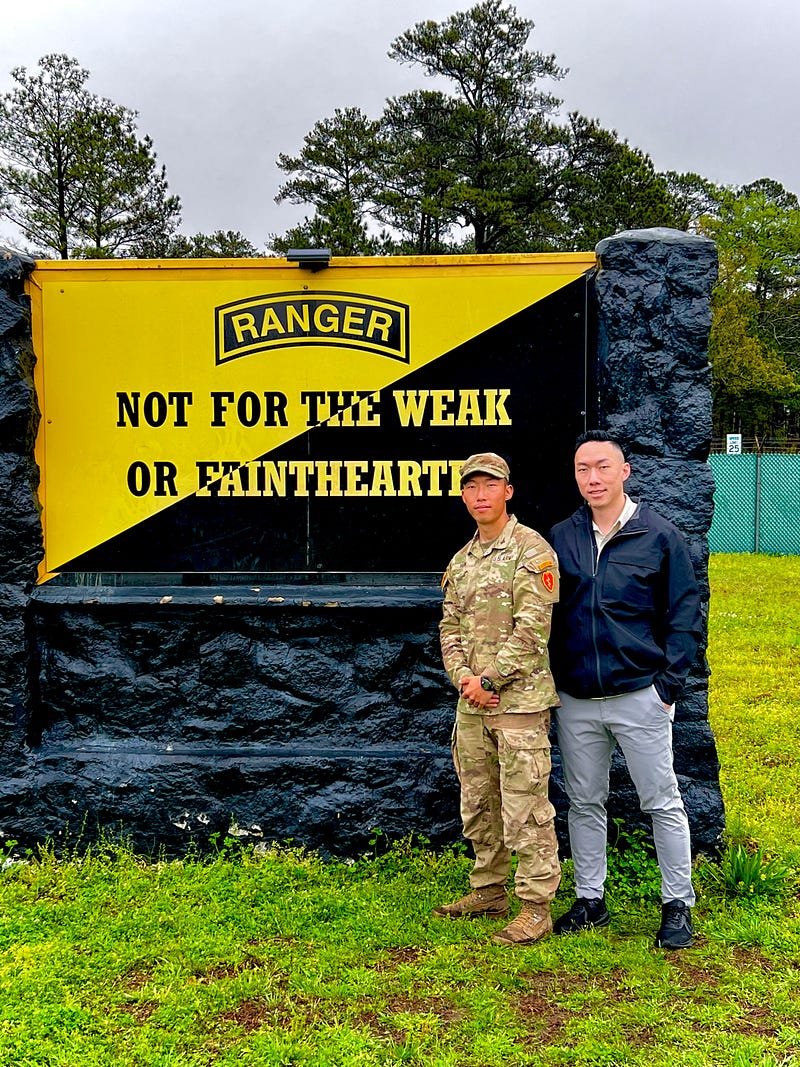
In the world of business, leadership is a multifaceted art form that can make or break an organization’s success. Unsurprisingly, the foundational principles of military leadership, honed in the crucible of combat, bear remarkable relevance in the corporate arena. As we begin to dissect the parallels between military leadership concepts and the business world, we discover invaluable insights for executives and managers seeking to achieve wholistic excellence.
Interesting food for thought: the average Fortune 500 company today is expected to last less than 18 years and the duration of their occupation within the top Fortune 500 space is shrinking every single year.
Why?
Sure, there probably are a slew of systematic issues that plague many companies amidst a rapidly evolving landscape of mergers and acquisitions. But if we were to take it one step beyond that where does it all truly start?
Simple.
It begins with leadership.
1. Clear Mission & Vision
In both the military and business, success begins with a clear mission and vision. Much like their corporate counterparts, military leaders are charged with the responsibility of defining their objectives (known as commander’s intent) with laser-like precision, ensuring that every individual Soldier understands their role in achieving the mission. Everyone plays a part, no matter how big or small. This is the fundamental requirement. It’s necessary in order to achieve buy-in from everyone and optimize for the best chances of achieving long term success.

In business, this translates specifically to setting clear corporate goals and communicating them throughout the organization. Ideally, the organization as a whole fosters a climate of healthy competition and rewards behaviors like taking disciplined initiative rather than restrict individual potential. In the famous words of Simon Sinek, “people don’t buy what you do; they buy why you do it.” It doesn’t matter what industry you’re involved in because at the end of the day everything’s a people business and when people understand the “why” behind their work, they are more motivated and focused.
2. Strategic Planning & Preparation
The best military leaders excel in strategic planning. They analyze the battle space, assess the enemy, and devise comprehensive contingency plans. Similarly, in business, leaders must analyze ongoing market conditions, competition, and resources to create effective strategies for growth. Just as a general adapts tactics to the battlefield, business leaders and CEOs must adjust their strategies to changing market dynamics.
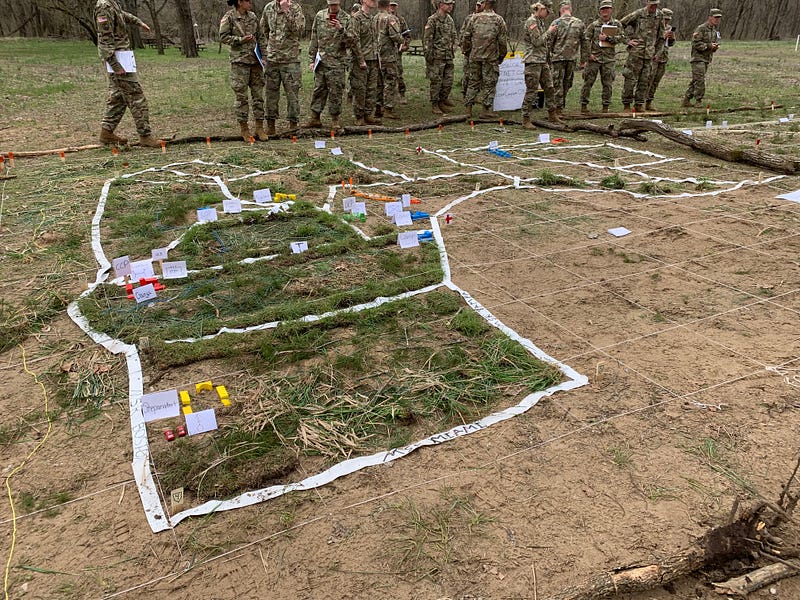
Just remember, the achilles heel and trap that many fall into here is planning paralysis. Be careful not to make a science project out of planning for every possible contingency to the extent that you forget to execute. A plan is rendered worthless without subsequent action and execution. Besides, talk to just about anyone who has any real life experience in the military or otherwise and I can almost guarantee they will echo that 99% of plans never go exactly as envisioned anyway. We live and die by Murphy’s Law and must learn to adapt on the fly.
3. Leading By Example
The best mentors I’ve had in the military understand the importance of leading by example. They immerse themselves in the mission, share hardships with their troops in training, and uphold the highest standards of conduct. When leaders exemplify the values and work ethic they expect from their teams, it fosters a culture of excellence.

One of the greatest pitfalls associated with leadership in general is the idea of positional leadership. It is crucial to understand that correlation does not equal causation and just because you carry a specific title does not mean you are a capable, much less competent leader.
Consider it a healthy habit to remind yourself that nobody gives a shit that you have ‘VP’, ‘Director’, or ‘Chief-Executive’ in your job title (if this applies to you). Respect and trust are always earned, beginning at the lowest levels. Immediate actions you can take to avoid this leadership trap include getting to know your own people. I’m not just talking about names and birthdays, but really spending some time understanding the individual goals, long term aspirations, and specific challenges of everyone within your organization.
4. Effective Communication & Team Cohesion
Communication is paramount in nearly all military and business endeavors. In the military, concise and timely communication can save lives. In business, it ensures projects run smoothly and that critical business initiatives are met.
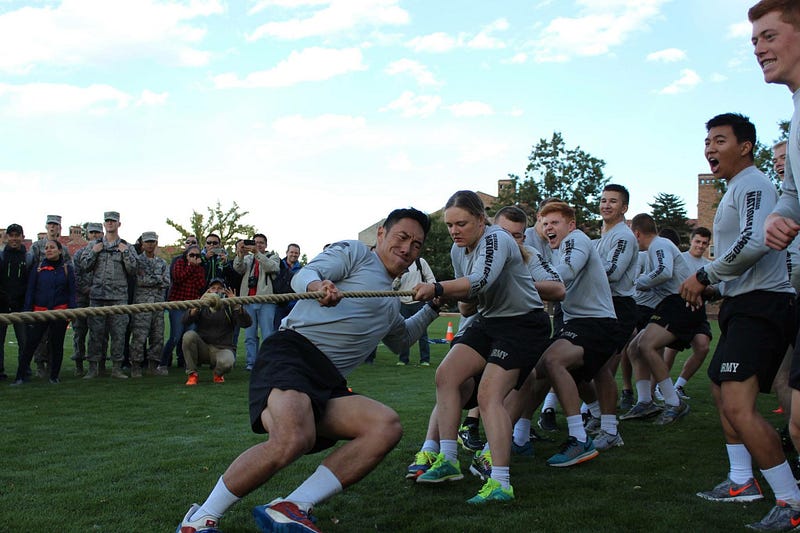
My personal philosophy when it comes to communication has always been to maintain an open-door policy with everyone in my organization. I make it a point to everyone that anyone should feel comfortable approaching me at any time to discuss anything. And no, I’m not trying to suggest that as a leader you need to be available 24/7. As a leader your time is invaluable. We all understand that. I’m merely pointing this out as a friendly reminder to remember that if you have subordinates who are jumping chain of command in order to speak to you directly about something they are hot pressed about, there’s a decent chance it’s important and needs your attention.
On the topic of team cohesion, military units are renowned for their tight-knit camaraderie. This is often forged through shared experiences of hardship or what is commonly known as “embracing the suck” together. Think 20+ mile ruck marches through the pouring rain, extended periods of time in the field with minimal sleep/food, and grueling physical training stressors just to name a few examples..
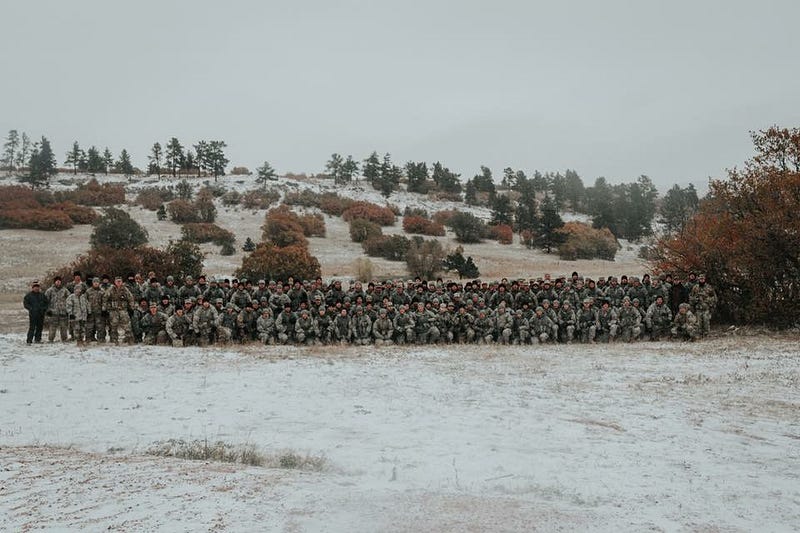
Needless to say, this is something that does not translate cleanly over into the corporate world (unless of course your intent is to have a hay day with HR). Business leaders must be creative (and careful) in finding other avenues or mediums to design and foster a similar sense of unity through overcoming hardship/adversity together.
5. Continuous Training & Development
All military personnel undergo rigorous baseline training and there is no shortage of schools and formal leadership courses to attend as you progress through your career. In the corporate realm, I’ve found that more often than not, this is a luxury rather than the norm. Ongoing employee development is crucial for maintaining a competitive edge as an organization. Leaders who invest in the growth and development of their teams reap the rewards of a highly skilled workforce. As an executive, if your biggest concern is mitigating the number of employees who take advantage of the learning opportunities you provide them in order to further their own careers and possibly jump ship, then it’s likely time for a hard reset of your own priorities.
Whatever the application or end goal may be for you, remember that leadership really is an art form that requires continuous refinement and learning. There’s no secret sauce or cheat code. Everyone is capable of leadership but nobody is entitled to it. Every day is a new opportunity to lead and be led.
Oh and don’t forget, you most certainly will lose at some point along the way. Life hits hard sooner or later for everyone. Don’t quit and try to enjoy the ride.


