avatarYC Cooper

Free AI web copilot to create summaries, insights and extended knowledge, download it at here

1815

Abstract

8aG"><figcaption>Photo by <a href="https://unsplash.com/@korng_sok?utm_source=medium&amp;utm_medium=referral">Korng Sok</a> on <a href="https://unsplash.com?utm_source=medium&amp;utm_medium=referral">Unsplash</a></figcaption></figure><p id="3baa"><b>The initial hurdle is to unroll the scrolls.</b></p><p id="fe58">Since their discovery, reading them was impossible. The problem is how to unroll the badly burnt scrolls in their current state. Previous attempts to unroll them had failed as the scrolls fell apart. Thus, the first hurdle is to unroll them without damaging the scrolls.</p><p id="4d5b">This first hurdle was overcome when scientists used high-definition CT scans. Then, processing the scans, they can digitally unroll (flatten) the scrolls. This breakthrough allowed the writings to be studied. However, another problem arises.</p><p id="8dd6"><b>The second hurdle is reading the writings.</b></p><p id="66b2">The next problem that the scientists encountered was reading the writings. This is because the black ink used on the scripts could not be differentiated from the burned papyrus. It is like reading words written with black ink on black paper but worse as the paper is charred.</p><p id="67c0">To address this, the Vesuvius Challenge is launched. It is a $1m (£790,000) prize for anyone who could devise a solution.</p><p id="0f48">Three researchers managed to find a solution and won the prize. The winning team solution made use of AI machine learning techniques. The AI model developed through this training can read the writings of the scrolls.</p><p id="fd94">Below is a video of the Vesuvius Challenge.</p> <figure id="4276"> <div> <div> <img class="ratio" src="http://placehold.it/16x9"> <iframe class="" src="https://

Options

cdn.embedly.com/widgets/media.html?src=https%3A%2F%2Fwww.youtube.com%2Fembed%2FFlv3v8IJwac%3Ffeature%3Doembed&display_name=YouTube&url=https%3A%2F%2Fwww.youtube.com%2Fwatch%3Fv%3DFlv3v8IJwac&image=https%3A%2F%2Fi.ytimg.com%2Fvi%2FFlv3v8IJwac%2Fhqdefault.jpg&key=a19fcc184b9711e1b4764040d3dc5c07&type=text%2Fhtml&schema=youtube" allowfullscreen="" frameborder="0" height="480" width="854"> </div> </div> </figure></iframe></div></div></figure><p id="ad6b"><b>Significants of this breakthrough.</b></p><p id="4c40">According to a researcher, this breakthrough could be the start of a revolution in Greek philosophy as this opened the way to translate the rest of the remaining scrolls. Being able to do so could transform our understanding of ancient Roman culture and intellectual and daily life. This is a great example of the beneficial use of AI, and it is pretty cool, is it not?</p><p id="f1e9">Follow the latest developments of the Vesuvius challenge at the website below.</p><div id="0b42" class="link-block"> <a href="https://scrollprize.org/"> <div> <div> <h2>Vesuvius Challenge</h2> <div><h3>A $1,000,000+ machine learning and computer vision competition</h3></div> <div><p>scrollprize.org</p></div> </div> <div> <div style="background-image: url(https://miro.readmedium.com/v2/resize:fit:320/0*ITKxZqwldVb9r-jp)"></div> </div> </div> </a> </div><p id="8fcc">Thanks for reading.</p><p id="34f1"><b>Reference:</b></p><p id="611d"><a href="https://www.bbc.com/news/science-environment-68221243">AI unlocks ancient text owned by Caesar’Caesar’s — BBC News</a></p></article></body>

From Ashes to Insights: Deciphering the Herculaneum Papyri with AI

How AI helped to uncover ancient secrets
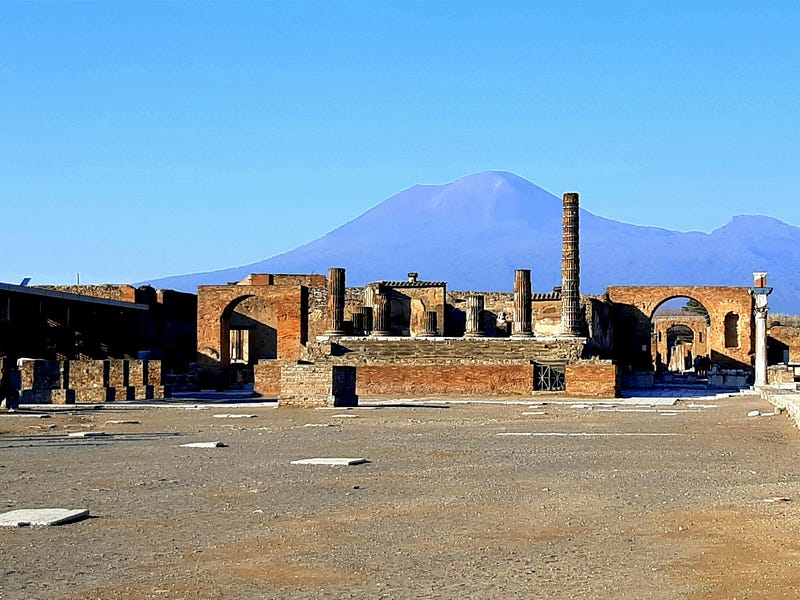
Photo by D Jonez on Unsplash

Imagine a scorched book, its pages blackened and warped by intense heat, rendering its contents unreadable. The same situation happened to the Roman scrolls discovered in the ruins of Herculaneum, close to the famed city of Pompeii. These ancient scrolls are called the Herculaneum Papyri.

What is the Herculaneum Papyri?

The Herculaneum Papyri is a collection of more than 1,800 scrolls. They were buried when a volcano called Mount Vesuvius erupted in 79 AD. They are unique because they’re from that period’s only intact ancient library.

They were first discovered in the 18th century in the Villa of the Papyri, a luxurious and enormous seaside Roman Villa likely built by Julius Caesar’s-in-law. The volcano’s ash kept the scrolls safe but also made them fragile and hard to work with.

Most of these scrolls are about philosophy. They include writings by famous thinkers like Epicurus and Philodemus. But there are also poems, speeches, and other stories.

These scrolls help us to understand what life was like in ancient Greece and Rome. They tell us about their ideas on philosophy and how they lived their daily lives.
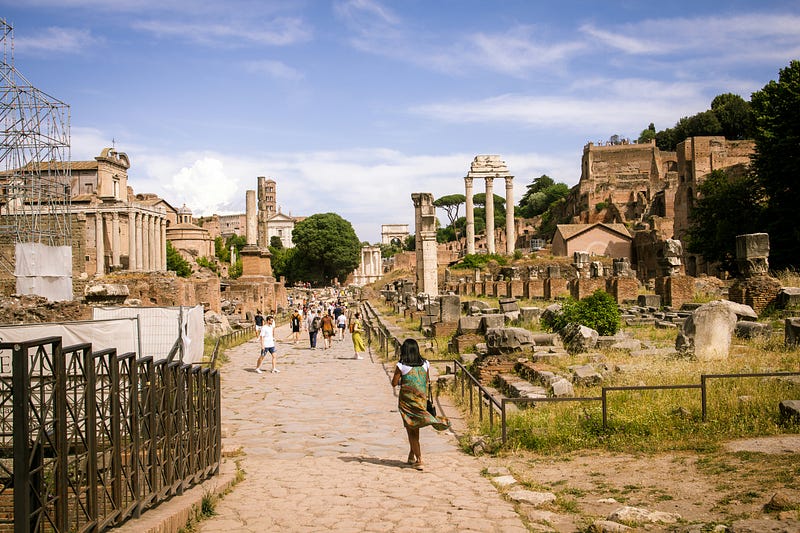
Photo by Korng Sok on Unsplash

The initial hurdle is to unroll the scrolls.

Since their discovery, reading them was impossible. The problem is how to unroll the badly burnt scrolls in their current state. Previous attempts to unroll them had failed as the scrolls fell apart. Thus, the first hurdle is to unroll them without damaging the scrolls.

This first hurdle was overcome when scientists used high-definition CT scans. Then, processing the scans, they can digitally unroll (flatten) the scrolls. This breakthrough allowed the writings to be studied. However, another problem arises.

The second hurdle is reading the writings.

The next problem that the scientists encountered was reading the writings. This is because the black ink used on the scripts could not be differentiated from the burned papyrus. It is like reading words written with black ink on black paper but worse as the paper is charred.

To address this, the Vesuvius Challenge is launched. It is a $1m (£790,000) prize for anyone who could devise a solution.

Three researchers managed to find a solution and won the prize. The winning team solution made use of AI machine learning techniques. The AI model developed through this training can read the writings of the scrolls.

Below is a video of the Vesuvius Challenge.

Significants of this breakthrough.

According to a researcher, this breakthrough could be the start of a revolution in Greek philosophy as this opened the way to translate the rest of the remaining scrolls. Being able to do so could transform our understanding of ancient Roman culture and intellectual and daily life. This is a great example of the beneficial use of AI, and it is pretty cool, is it not?

Follow the latest developments of the Vesuvius challenge at the website below.

Thanks for reading.

Reference:

AI unlocks ancient text owned by Caesar’Caesar’s — BBC News

Artificial Intelligence
Ancient Rome
Pompeii
History
Archeology
Recommended from ReadMedium