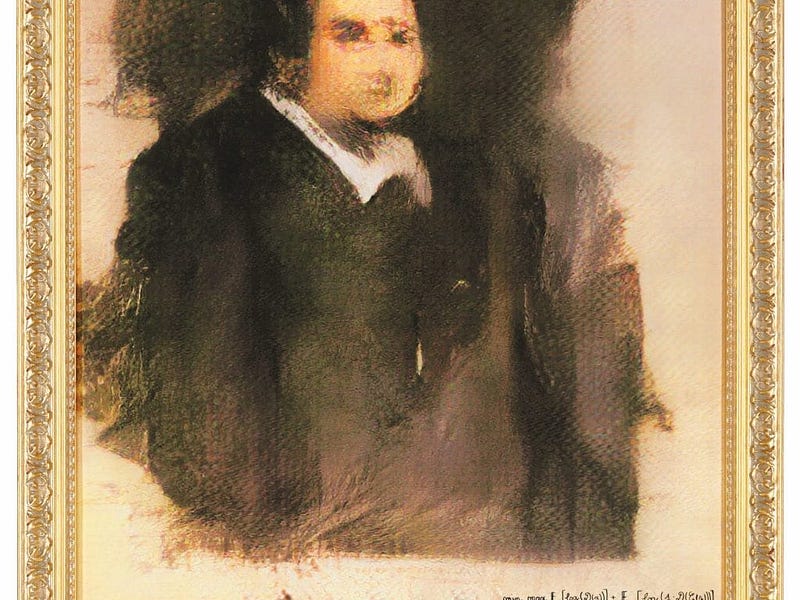
From Ancient Artifacts to AI Art: How Does an Artwork Become a Masterpiece?
If money was not an issue, which masterpieces of art would you buy?
It probably wouldn’t be that easy to choose between the many masterpieces currently out there, whether you’re looking for a timeless classic or something more contemporary.
Take a look.
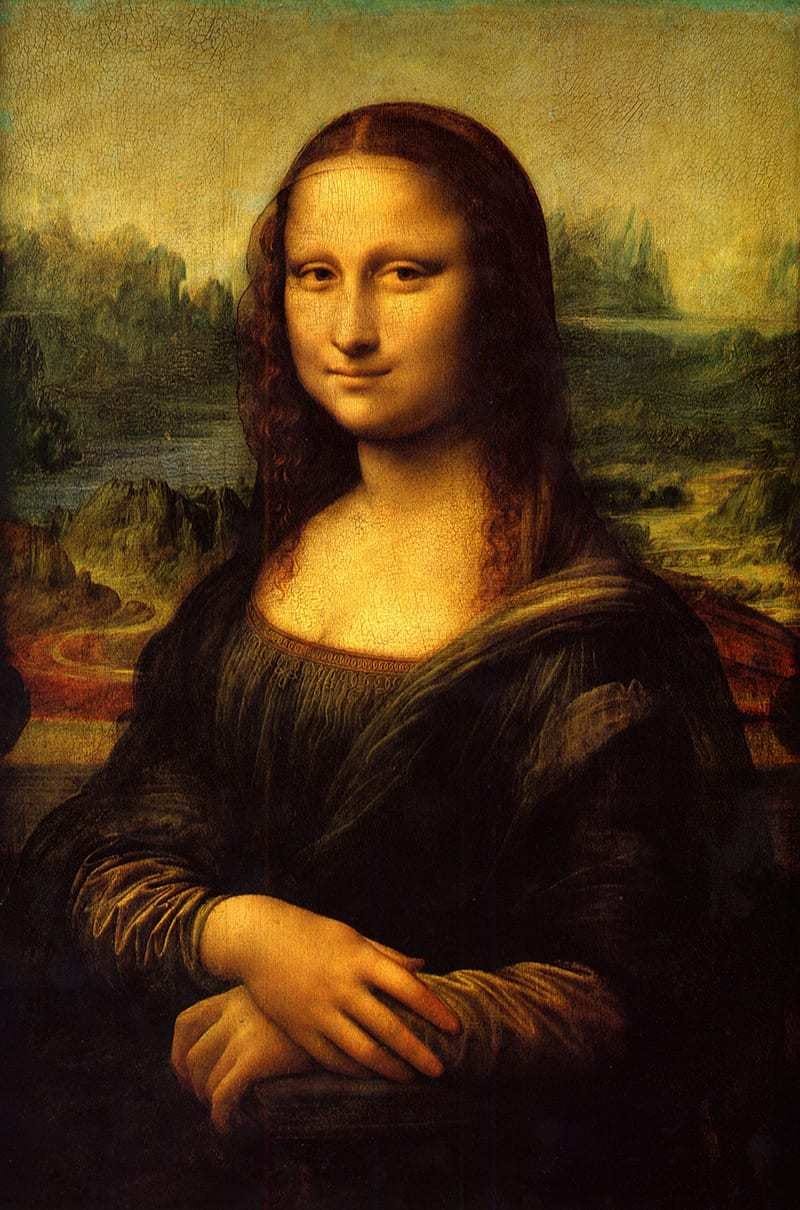
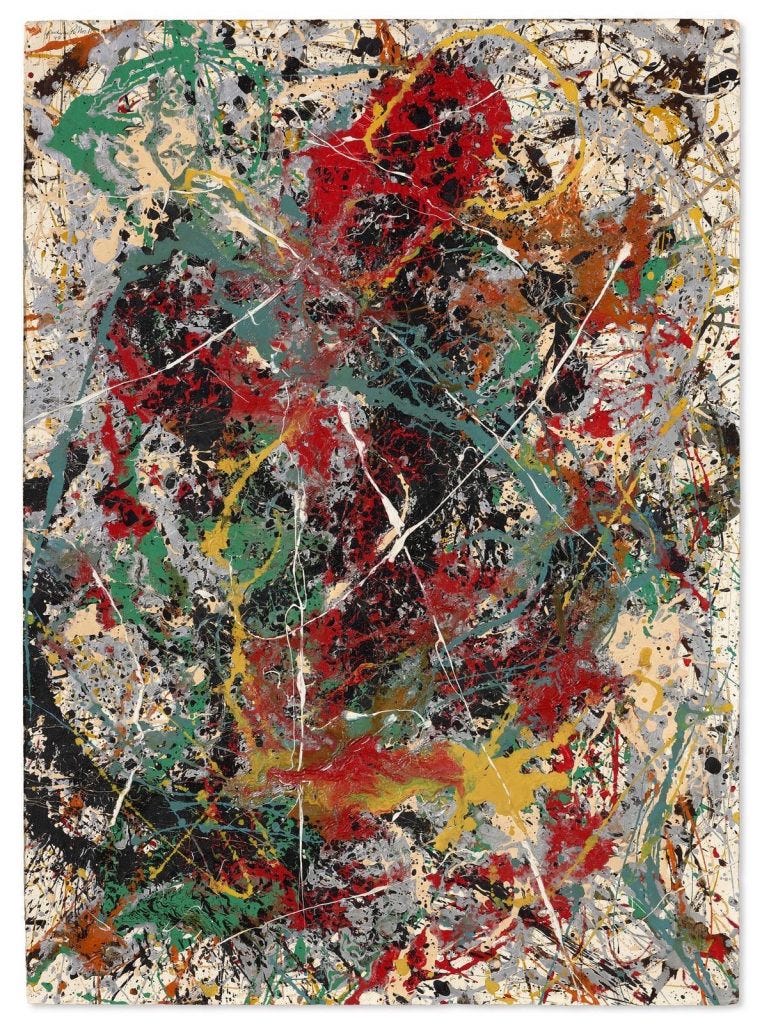

What’s your favorite?
A $2 million urinal or a handy 31x22-inch painting for roughly $40 million? Bummer: the Mona Lisa, the speculative price of which runs into the billions, would not even be for sale. Unfortunately, buying or selling the piece is illegal in France, so you would have to find another way to acquire your DaVinci masterpiece.
The three masterpieces are obviously very different and some people may even dislike rather than appreciate them because of their obscene appearance or price.
The question arises as to what makes something a masterpiece. What all of the above pieces have in common is that
- they somehow stand out from others and
- they evoke a strong reaction in viewers
Let’s take it from here.
A Brief History Of Masterpieces
Here are some Venus figurines that are about 20,000 years old. They are called masterpieces by archaeologists and anthropologists.
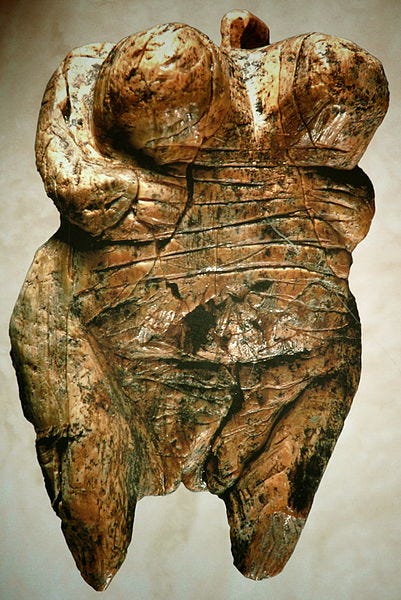

And rightfully so, according to our preliminary observation of what a masterpiece needs:
They stand out from other artifacts that are much older (archeologists found prehistoric “art” dating back to 500.000 to 700.000 years) because they clearly showcase the symbolic thinking of prehistoric humans. And the mystery that accompanies them also causes strong reactions: Were they a symbol of health and fertility? Could they have represented religious figures? Or were they something else entirely, such as self-portraits of female artists?
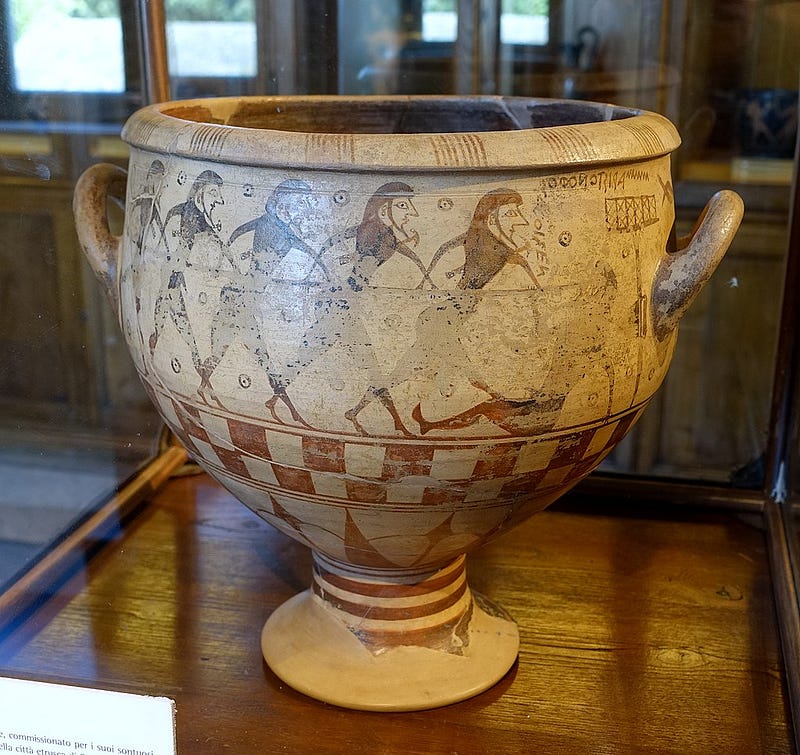
Then there are masterpieces in Greek pottery that stand out for their good preservation and particularly detailed and excellent craftsmanship causing strong reactions from experts in the field.
We also have medieval sacral art that stands out for noble materials and piety, causing strong reactions from art historians as well as believers in Christianity.
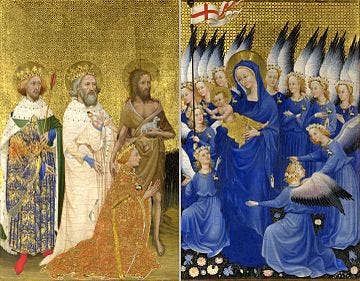
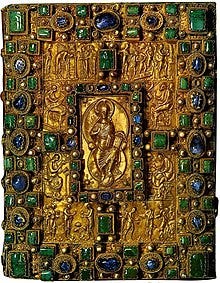
For their contemporaries, all the above examples were rather functional or cult objects. The masterful way in which they were made was most likely appreciated, but at the time of their creation, they lacked the aura of what we call a “masterpiece” in the modern sense. Their creators were appreciated as talented craftsmen or, depending on which era you were active in, as inspired by either muses or God, but that was it.
All of them became masterpieces in retrospect when expert historians began to attach value to them.
This changed fundamentally with the early Renaissance, when well-educated, financially strong merchants became art dealers and collectors, creating an entirely new type of art consumer that judged masterpieces at the time of their creation.
The Evolution Of The Art Market
With the emergence of professional art dealers and collectors during the Renaissance, a set of rules for good art began to come into play: in order to be tradable and sellable items, works of art were now discussed in terms of their execution, craftsmanship, and the concept behind them.
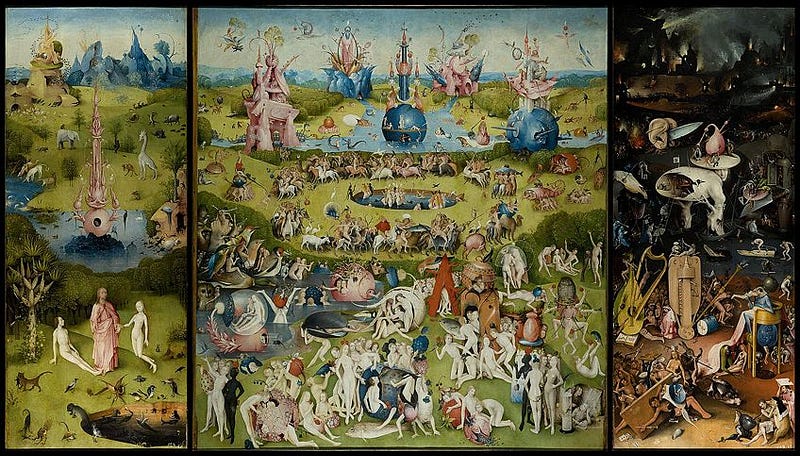
This is the period when pure craftsmanship used to create beautiful objects for everyday life or rites was joined by a variety of artistic styles, and a masterpiece became the work of art that best represented the creative framework of a particular style.
With the blossoming of an art market for which artists now could produce commodities, the artist became more autonomous in his choice of content, but the new freedom came with risks: there was no more pressure to portray god, saints, or princes, but there were also fewer chances for patronage that secured artists’ livelihood.
Now they had to manage to become relevant to the market.
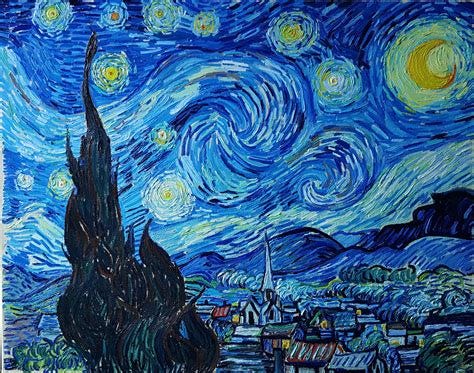
Take Van Gogh for example, who became the epitome of the “unsung genius”: The exaggerations that accompany his biography fostered a myth that continues to influence the perceptions of the Dutch painter to this day.
He certainly was not an unknown artistic hero that only gained fame after his death but instead has been widely known and respected within the post-impressionist scene of his time. A network of appreciation had already formed around him during his lifetime and grew post-mortem because he became the epitome of a style: among the first buyers of his art after his death were fellow painters and people associated with them. Later on, his painting “Sunflowers” even surpassed the previous highest price for a work of art ever sold and was considered the beginning of a new epoch in the art trade in terms of prices achieved at auction.
The modern art market is basically a logical continuation of the Renaissance art dealing principles with an additional stimulus from the rise of capitalism.

The market continues to select its masterpieces based on the extent to which they conform to the canon of styles and the prices a work can achieve.
As capitalism entered the age of mass communication, attention became a second currency, and the art market developed feedback loops with mass media: what wants to be a masterpiece must either attract the attention of the art market or completely subvert the system and thereby attract the attention of the mainstream media channels — which in turn results in the attention of the art market. In this process, artistic style functions as a marketing tool for the artists themselves. Although this development has led to counter-movements such as art pour l’art, minimalism, and conceptual art, the narrative of the masterpiece stayed the same.

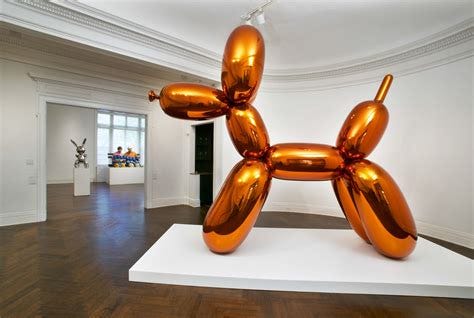
Art, at the core, has always been about social distinction. The concept of the masterpiece developed as part of the emergence of the modern art market and tells the story of works that represent the artistic framework that a group of people defines as their favorite style.
Like the prehistoric Venus figurines, of which we do not know whether they were cult symbols or self-portraits, modern masterpieces can function in very different ways within the system of a globalized art market. They may be marketed as cult objects or be used as a means of entertainment, but always they are worshipped by their respective followers.