
Frito-Lay used Neuromarketing to make Women to Snack More.
Baked Lays are healthy for you.…are they?
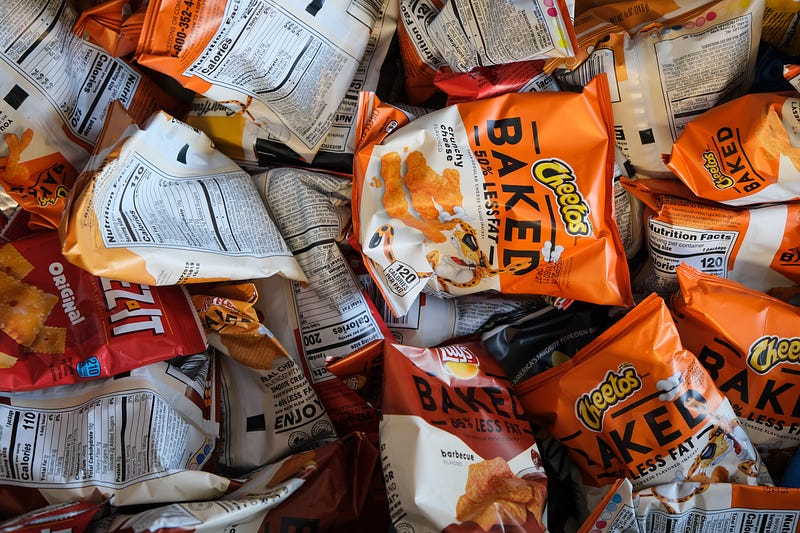
In 2009, Frito-Lay launched baked versions of all their snacks- Lays, Doritos, Cheetos; Smartfood, and many more healthy options to appeal to their female audience.
The company noted that despite women snacking twice as much as men, most of its customers were men. Women snacked on salted products, only 14% of the time and this PepsiCo owned division wanted to know why.
To understand how to rebrand their product, they turned to Neuro-based marketing. Frito-Lay’s appointed advertising firm Juniper Park lead by Jill Nykoliation, started using fMRI/brain scans to understand the response of their consumer’s brains.
Her research showed that women’s brains had more developed communication centres which implied they could break down complex advertising messages with more ease. They had more significant activity in their hippocampus associated with memory and emotion.
Interestingly women also had heightened activity in the anterior cingulate cortex associated with decision making and guilt. Women are more likely to experience guilt than men.
Despite launching products with words like “guilt-free” snacking women were avoiding these products because of an unconscious negative association with the word guilt.
Most of the studies focussed on specific aspects of the brain — hippocampus for memory, the nucleus accumbens which is the pleasure centre, and the prefrontal cortex for higher thinking which determined consumer choice.
Ms Nykoliation asked Frito-Lay to develop ads that targeted women to understand what they liked. They asked women to journal for two weeks which showed that women felt more guilty in most aspects fo their lives as compared to men.
So instead of focusing on “guilt-free” eating, which reminded them of the word anyway. The company drew its target customer’s attention to the positive aspects of their product — these advertisements aimed at removing the word “guilt” from their marketing.
They wanted women to believe that the snacks were healthy. Their product now had images of spices and healthy ingredients. Their product line was entirely consistent with baked snacks. Consistent with their marketing campaign, they created an image of Healthy Snacking = Frito-Lay.
Neuromarketing was also used to check aspects like the packaging. Instead of shiny packets now the packets had a matte finish, the colours such as beige, fresh greens, light blues were chosen to draw the attention of female customers. The studies showed consumers had a more positive response to seeing matte packets and bright colours.
Frito-Lay’s research-backed marketing helped it transform its emotional messaging and connection with the women consumers. The campaign was so successful, in 6 months, the PR program gained over 195 million positive impressions double of the expected goal. Women’s snack trips down the aisles increased by 1.8% with record-breaking sales from SmartFood.


