
Friendships Fade, but Classic Albums are Forever

The unique characteristics of friendship are equal to our love for our favourite records.
Spoken, like only a true introvert can.
Premise
Friends are drawn together through platonic attraction; the chemistry of every friendship is unique.
So I submit to you that what connects you with your most revered records is equally idiosyncratic. No other person will reciprocate with an album for the exact reasons you do. Sure, you may need to transcend the superficial to determine why, but within the complex set of conditions that affords us such a profound connection is a relationship distinctive to you.
In other words, nobody feels the rush the way you do!
Where did this idea come from?
Waleed Aly and Scott Stephens host a program on Radio National here in Australia, called The Minefield. And in this particular episode titled Should you avoid disagreements this Christmas? the pair discussed the concept of friends, the role attraction plays in how we choose our friends and that the composition of attraction is particular to every relationship.
I immediately started thinking about other seemingly obvious connections — music fans for example — and how divergent one person’s passions and experiences are to another’s. Bonding over the same artist, sure, but the discussion can transcend a single layer before the mirror fogs.
Some ideas are hard to come to terms with. I’m not a Black Sabbath diehard, but I remember the first time someone told me that Dio era Sabbath was superior to Ozzy. Who would think that? Of course this person was correct, but I wasn’t open to that idea at the time.
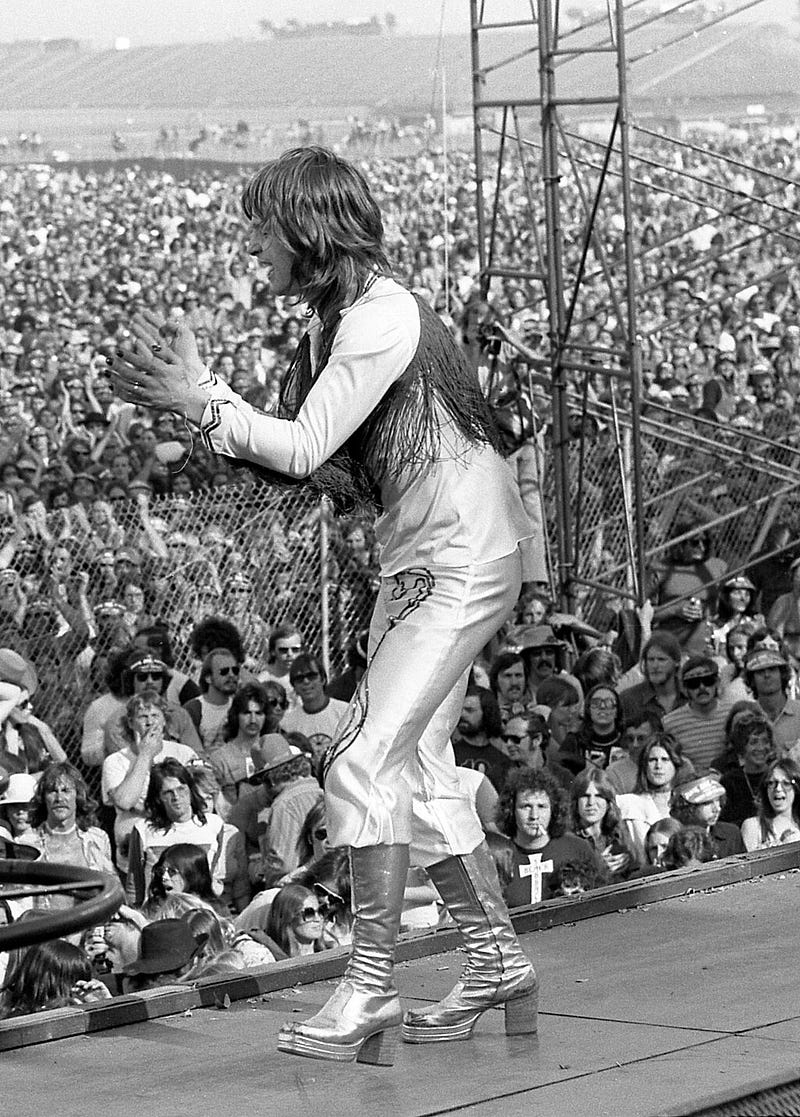
Why specific records but not artists?
Sticking with the Ozzy theme for a second, not all Ozzy era Sabbath was great. Dio’s 1980 and ’81 recordings were phenomenal, but all this activity is taking place in the same tent, and seeking consensus can only ever be achieved superficially.
It’s important to consider that an album is not merely a collection of songs that happen to be sequenced in a satisfying order. The sound, the atmosphere, sleeve design and the artist themselves each play a role in the construction of how every individual connects with the album they’ve made and the time they’ve made it. What they have to say, do, how they present themselves. Are they authentic? Are they motivated by fate?
The records we fixate on, the recordings that elevate and activate us, crystalize at a certain point on our personal timelines. Composed of an array of tangible and intangible attributes that fans and the artists themselves ponder endlessly.
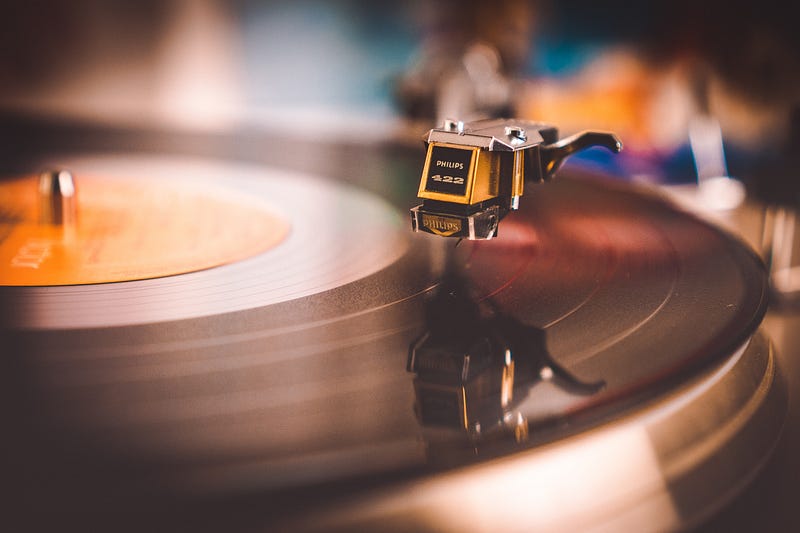
Time wounds…
The nature of time adds a host of variables that complicate each and every criteria we hold as sacred. Invariably, and no matter who the artist is, there’s always one record we cherish above all others in the catalogue. And while this realisation is often a widely shared belief, the composition of that affinity remains unique to the experience of each individual. And as artists evolve, mature, and adjust their appetite for risk, our passions are subject to another round of assessment, often influenced by how fiercely ensconced in that benchmark record we find ourselves.
Those people that fiercely defended Metallica’s black album, seen by so many fans not only as a sell out, but a betrayal to the blood and sweat shed in their name. Though that album skyrocketed the band to fame, it was polarising for fans who found themselves disconnected from the band’s evolution.
The sound, pace, atmosphere, aesthetic, lyrics and themes need to effectively address us. The artists we love build equity, but you still need to make a decision to go another round when that new album drops.
Has anyone ever actually liked a band based on a “sounds like” recommendation?
They probably have. I probably have, though nothing comes to mind. I do find peril in this message, especially as it draws closer to records you hold as sacred.
No one is going to inspire me to listen to something based on it being “like” Reign In Blood or Master Of Puppets. Those records are perfect and the way I experience those comparisons is that someone is hoping to leverage recordings they have an affinity for off the shoulders of releases I’ve all but deified. The math is bad, and if revisiting the friendship current from earlier in this piece, the softer that attraction, the weaker the endorsement. I’m not about to say I do at this shotgun wedding.
Friendships fade, and sometimes we move on from even our most revered records.
Attraction, in its innumerable measure, is far from static. Gratitude is warranted for friendships that endure as well as those recordings that sustain across the years. Both currents are subject to nostalgia, to one’s identity, to habit. Music is individualistic and has the power to help us dial into an emotion; it is abstracted from the opposing force of another human who is perpetually evolving, just as we are and often in different directions.
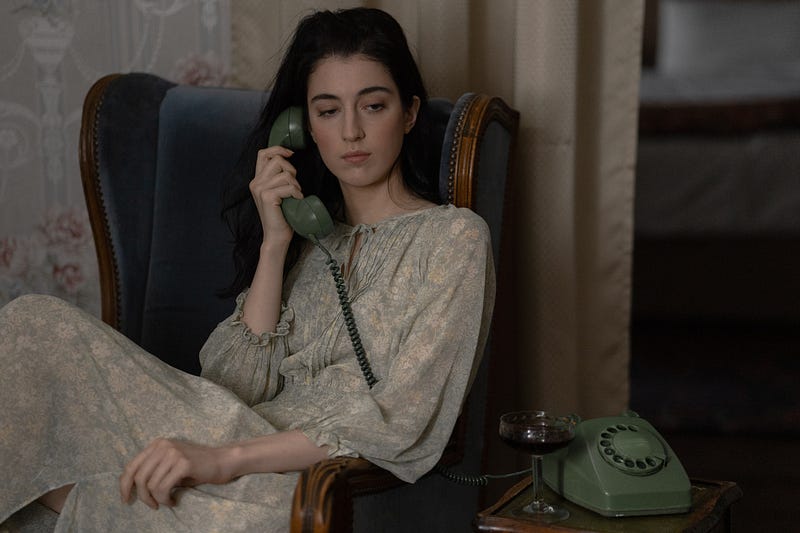
As the episode of The Minefield progressed the presenters found their way to the theme of conservatism and familial friction among the politically misaligned members at xmas gatherings. The distinction was drawn between how we conduct ourselves with friends compared to our families, observing that theme of attraction. Time can also have this effect. Artists once perceived as radical do on occasion evolve towards an expression of more conservative views. While this may not be enough to break the bonds of our connection to those records we hold sacrosanct, that unseen equation through which we’ve calculated perfection now has additional variables we hadn’t noted earlier.
Do we continue listening to The Queen Is Dead despite Morrissey’s reported marginalisation of certain people and groups? I do, I think it’s a phenomenal record. Can I hear it without a mild aura of distaste? That’s more difficult and certainly more nuanced, despite being an excellent illustration.