
Friend or Foe? 8 Indicators to Help You Identify if It’s an Authentic or Phony Friendship
Why Discerning Who Is Fake and Who Is Real In Your Life Is Important
What about your friends?” This question, famously sung by the 90s R&B girl group TLC, has been echoing in our minds for decades and continues to be relevant even today. Friendships are an integral part of our lives and can have a significant impact on our happiness and well-being. It’s not uncommon for people to struggle with identifying a real friend from a fake one. Fake friends can be very convincing in their act of being a trustworthy and supportive companion, making it difficult to see through their facade.

Sometimes, it can take a while to realize that someone who we thought was a genuine friend is not, and this can be disappointing and hurtful. We may have shared personal experiences and secrets with them, and then find out that they have been using that information to their advantage or spreading it to others.
However, it’s important to remember that we can’t control the actions of others and that recognizing a fake friend is not a reflection of our worth or ability to choose good friends. We can learn from these experiences and use them to become better at spotting genuine people in the future.
But how do we differentiate between authentic and fake friends? While it may not be obvious at first glance, with the right discernment and knowledge, you can identify the real from the faux. Here are some key indicators you can use to gauge someone’s trustworthiness and intentions.
1. Pay attention to how they make you feel.
It’s true, energy doesn’t lie. The way someone makes us feel can be a powerful indicator of whether they are a real friend or a fake one. Our instincts are often a reliable guide, and if we pay attention to our gut feelings, we can quickly tell whether someone is authentic or not.
When you are around someone who is a true friend, you usually feel energized, uplifted, and confident. They make you feel good about yourself during your interactions with them.
Fake friends on the other hand take every chance they can get to try and bring you down and make you feel drained, anxious, or uncomfortable. They can be extremely critical, negative, and manipulative. They constantly cause you to question yourself and your sanity after being around them.
It’s important to trust your instincts and to listen to how someone makes you feel. If a person consistently leaves you feeling drained or unhappy, it may be time to reconsider the friendship and distance yourself from them. On the other hand, if someone always makes you feel positive and supported, they are likely a real friend and worth cherishing.

2. Do they clap when you win? Or are they silent?
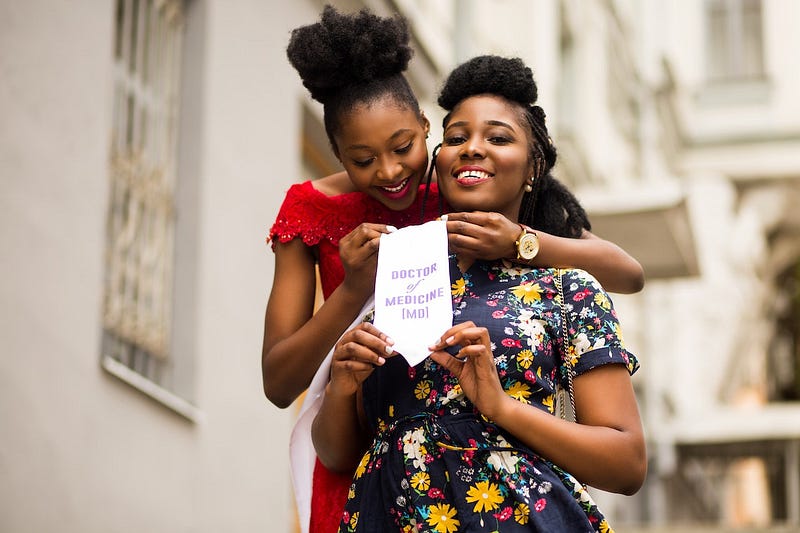
The difference between a real friend and a fake friend can become particularly clear when you win in life. A true friend will be the first one to cheer you on, clapping hard for your success and celebrating with you. They will be genuinely happy for your happiness and will want to share in your joy. They will lift you and help you to continue to soar.
On the other hand, a fake friend may be silently resentful of your success. They may not be as enthusiastic in their celebration and may not show genuine happiness for your achievement. In some cases, they may even be critical or negative, making you feel like your success is not as meaningful.
So, when you win in life, pay attention to the people who are clapping hard for you. Those are the real friends who truly care about you and want to see you succeed. Cherish and hold onto these relationships, as they are valuable and rare.
3. Can you depend on them?
This is where the ability to discern comes in. Some people suffer from depression or anxiety or have crippling social anxiety or maybe neurodivergent and hate loud noises and crowded spaces which may prevent them from attending certain events you have, such as graduations or large birthday parties. In addition, they may cancel plans at the last minute if they’re feeling overwhelmed. However, they still find other ways to show up for you and support you when needed.
Real friends are dependable and can be trusted to always have your back. They are there for you in times of need, whether it’s to offer a shoulder to cry on or to help you through a difficult situation. They are loyal, trustworthy, and consistent in their actions. You can count on real friends to follow through on their commitments and to be there for you in small ways and big ways.
On the other hand, fake friends are hardly there when you need them. They may be around when it’s convenient for them, but they disappear when you need them the most. They are often more focused on their own needs and desires, rather than your needs and desires. They may prioritize their interests over your friendship, which can lead to them not being dependable in times of need.
Fake friends may not be empathetic and may not understand your perspective or your needs. They may not offer support or encouragement when you need it most, making them not dependable at all in times of hardship.
People who aren’t your real friends lack the key qualities that would make them a dependable person for you, such as reliability, empathy, and consistency. This makes it difficult to trust and depend on them and can result in disappointment and frustration in your relationship with them.
Which brings us to…..
4. Do they constantly leave you disappointed and frustrated?
It is normal for imperfections to exist in any relationship, including friendships. While genuine connections may experience moments of negativity, disagreements, and disappointments, it is imperative to remember that these instances are outweighed by the positive moments spent together. In a true friendship, the majority of the time is spent in agreement and harmony. Not shade and strife.
However, if the friendship is not genuine, these negative experiences may become more frequent and intense.
You may have communicated to them that their behavior bothers you and how it is hurting you. However, if they keep doing it, that shows a lack of understanding and compassion for your mental health.
5. Do they believe you or do they believe rumors about you?
It can be difficult when people think certain things about you. Or you find yourself needing to defend your character and reputation.
A real friend is not going to believe any rumors or gossip about you, because they know who you are.
On the other hand, a fake friend would believe rumors and gossip about you, rather than taking the time to get to know you and form their own opinions. Or they may even be the ones behind spreading the lies and rumors about you behind your back.

6. Are they a safe space or do you feel the need to keep your guard up with them?
A true friend is like a sanctuary, a place where you can lower your defenses and be your authentic self without fear of judgment. However, if you find yourself constantly on edge or hesitant to open up, it might be a red flag. Genuine friendships thrive on mutual trust and acceptance, creating an environment where you feel secure in sharing your thoughts, feelings, and vulnerabilities. Assess whether your interactions with this person leave you feeling embraced or guarded — it could reveal a lot about the authenticity of your connection.
7. Do they make deposits into your friendship or are they constantly withdrawing?
Friendships should be a mutual exchange, a give-and-take that enriches both parties. Reflect on whether your friend contributes positively to the relationship or if it feels like they’re consistently taking more than giving. Do they constantly ask to borrow money?
Financial transactions within friendships can be delicate. While genuine friends may occasionally seek help during tough times, chronic requests for financial assistance can strain the bond. It’s crucial to distinguish between occasional mutual support and a pattern of one-sided dependency. If your friend frequently leans on your wallet without reciprocating, it may be a red flag.
Consider whether your generosity is acknowledged and appreciated, or if it’s simply expected. Authentic friendships involve a balance where both individuals contribute to the emotional and practical aspects of the relationship. If you find yourself in a situation where your friend seems to view your kindness as a consistent resource without showing gratitude or reciprocation, it’s essential to evaluate whether the friendship is based on mutual respect or if you’re being used for your resources.
A healthy friendship should uplift both parties, fostering an environment where both friends feel valued and supported. Take a closer look at your friend’s financial interactions to determine whether the relationship is built on equality and consideration.
8. Are they collaborative or competitive?
An important aspect of a genuine friendship is the ability to celebrate each other’s successes and support one another’s aspirations. Consider whether your friend is collaborative ( Do they team up with you to work on projects and goals) or if there’s an underlying sense of competition. In healthy friendships, there should be genuine joy when one succeeds, not a hint of envy or rivalry.
Take note of their reactions to your achievements. Do they cheer you on, offer congratulations, and share in your happiness? Or do you sense a subtle undertone of competitiveness, where your accomplishments seem to make them uncomfortable? Genuine friends are allies, not rivals; they celebrate your victories as if they were their own.
Also, observe how they respond to your challenges. Are they supportive and willing to lend a helping hand, or does their competitiveness surface, making them less inclined to assist? Collaborative friendships thrive on a sense of unity and shared goals, while competitive dynamics can introduce unnecessary tension.
Unspoken competition hinders the relationship’s potential. A truly authentic friendship should be a partnership, where both individuals actively contribute to each other’s growth and well-being.
If you win, they win. If they win, you win.
As you figure out who’s who in your friend circle, remember this: Real friends are like bright stars- easy to spot even in the dark because real situations have a way of showing who’s true and who’s fake. So, trust your feelings, pay attention, and remember: true friends stick around when the show is over. The fake ones? Well, they were just playing a temporary part in your story.
How do you figure out if someone is a real friend or a fake one? What signs do you look for in your friendships to know who’s genuine and who might just be playing a role? Share your insights!
If you’ve made it to this point, thank you for reading. I started writing this article 10 months ago and just now clearing it out of drafts. During this time I lost another fake friend. -.- However, I truly appreciate and love all my real friends.
Xoxo, Fanchon Octavia


