
Friedrich Trump, Donald Trump’s German Immigrant Grandfather
Irony in ancestry
No President in recent times has been more polarizing the Donald Trump. Even just on the issue of immigration, the statistical difference in opinion has increased exponentially since 1994, according to data from the Pew Research Center. And this isn’t surprising given that the President ran his campaign largely around protecting American jobs and building walls.
But what is surprising is that arguably the most anti-immigrant and anti-worker President in recent history had an immigrant-worker grandfather from Germany.
Immigration to the US from Germany
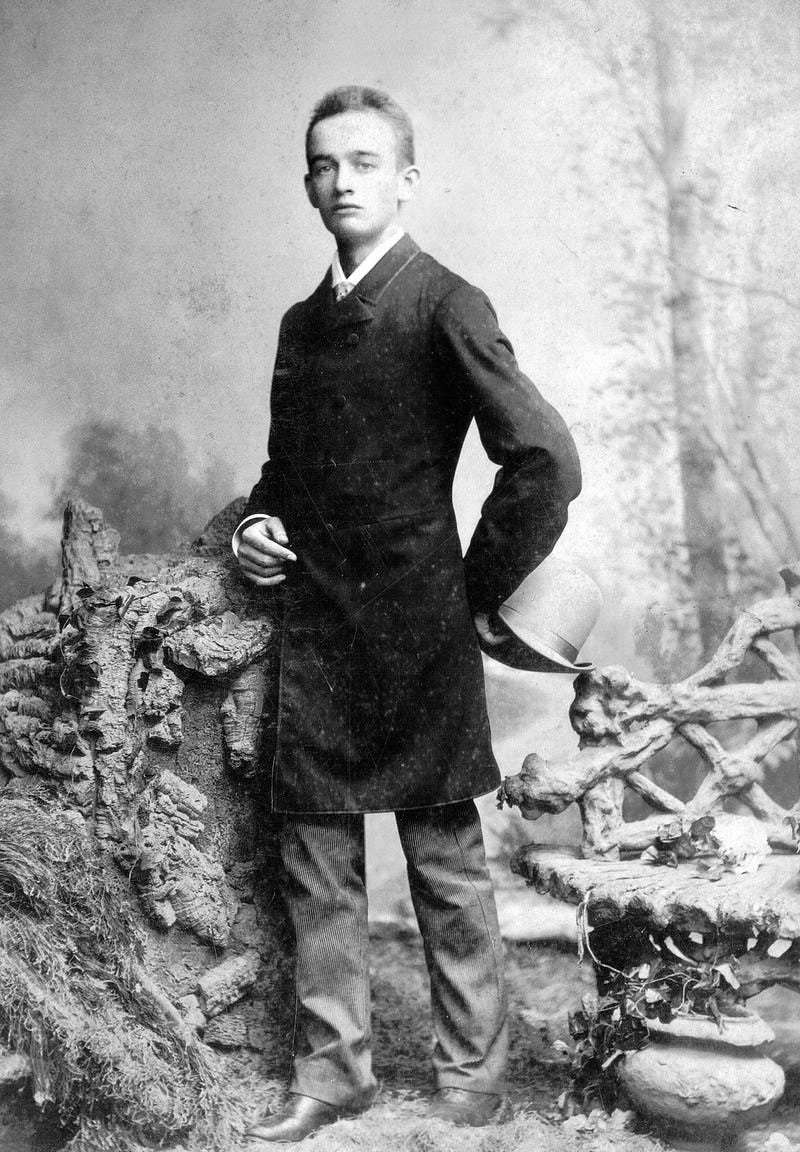
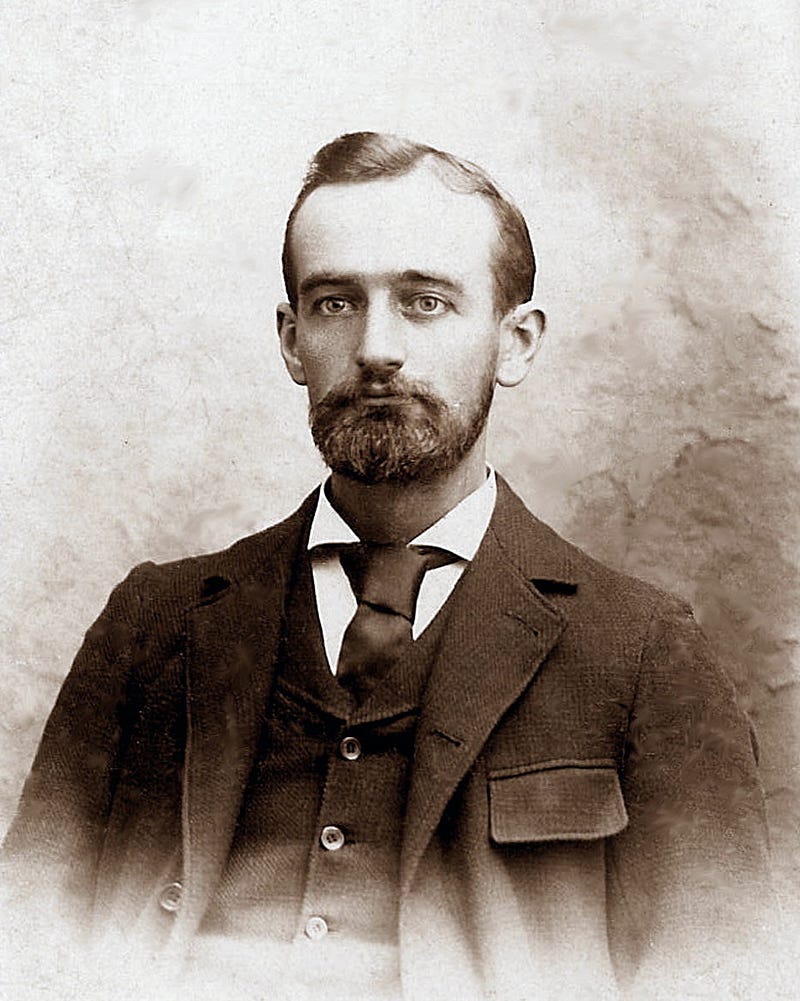
Friedrich Trump immigrated from his hometown of Kallstadt Germany to avoid mandatory military service. He was 16 at the time and had just finished his two-year apprenticeship as a barber. After spending nearly a decade cutting hair, he took his savings and invested into businesses related to the gold rush of the period.
Friedrich made a decent amount operating a few saloons and restaurants near mining ventures. According to newspapers at the time, Friedrich didn’t just offer hot meals, but the services of women as well. A report on Friedrich’s restaurant-inn called “The Arctic” by the Yukon Sun stated:
“For single men, The Arctic has excellent accommodations as well as the best restaurant in Bennett, but I would not advise respectable women to go there to sleep as they are liable to hear that which would be repugnant to their feelings — and uttered, too, by the depraved of their own sex.”
After some success, Friedrich had a falling out with his business partner and sold off all his shares. With a little bit more money in his pocket, Friedrich Trump decided to pay his family in Germany a visit.
Marriage to Elizabeth
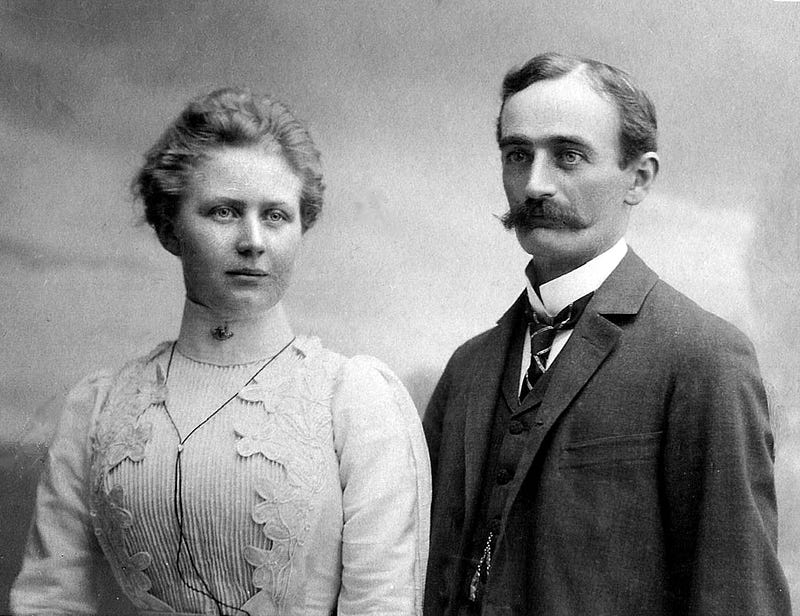
Friedrich returned to Germany in 1902 and soon developed a relationship with Elizabeth Christ. Friedrich’s mother disapproved of the relationship, citing Elizabeth’s social status as a concern. But despite objections, Friedrich proposed, and the newly wedded couple found their way moving back to America.
The Trumps settled with Friedrich’s sister in New York. At the time, their home in the Bronx was part of a growing German neighbourhood in the area. And in 1904, Elizabeth gave birth to their family’s first child, also named Elizabeth Trump.
The Trump family’s time in New York was cut short because Elizabeth soon grew homesick. They made a move back to Germany, but their government was no longer so welcoming of Friedrich.
Denial of Citizenship
Because Friedrich Trump had left to avoid the military draft, the German government refused to reinstate him as a citizen. So despite having just arrived, the family was given eight weeks to leave the State. Fortunately, America back then was a lot more welcoming to people driven out of their home state. I can’t say if the same stands true today.
It was back to New York for the Trumps, again in the Bronx. And in 1905, Elizabeth gave birth to Fred Trump, President Donald Trump’s father. Their second son, John George, was born two years later.
Work and Investment
To make ends meet for his growing family, Friedrich Trump returned to being a barber. He did haircuts for rich men on Wall Street but had the ambition to once again invest in a business. While being a barber, Friedrich managed a hotel and put what he could save into a downpayment for a property. His first investment after moving back to New York was a two-story house in Queens.
This property would be the first stone in a real estate empire that President Donald Trump would inherit. But for that intergenerational wealth to come through, Friedrich had to overcome the growing American prejudice against German immigrants.
Rejection of German Heritage
World War I raised a bias in America against ethnically German individuals. To protect his investments, Friedrich Trump Americanized his name to Fredrick Trump. This rejection of German heritage would continue with Friedrich’s son, Fred Trump, who claimed he was the son of Swedish immigrants. Supposedly, this promoted more Jewish renters to lease their properties.
And the tradition of promoting lies was continued by Fred Trump’s son, President Donald Trump. He stated in his 1987 book, The Art of the Deal, that:
“Fred Trump was born in New Jersey in 1905. His father… came here from Sweden.”
Cause of Death
The rest of Friedrich Trump’s life was relatively uneventful. He would save enough for a mortgage here and there, but the family’s wealth was mostly obtained by Elizabeth and her son’s keen investing.
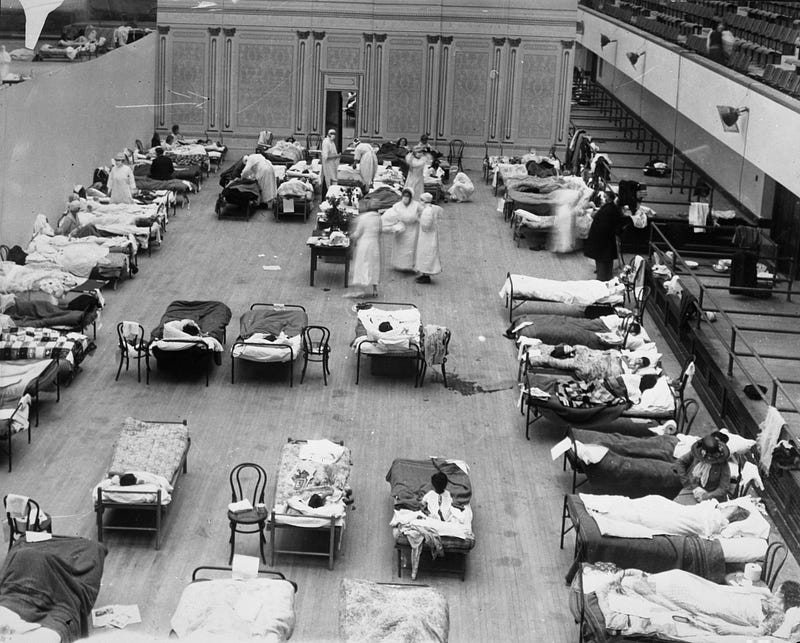
But one thing worth noting would be the circumstance surrounding Friedrich’s death. In 1918, the Spanish Flu made its way to the United States and became one of the deadliest pandemics in recent history. It killed 675,000 people in the USA, including Friedrich Trump.
Let me point out the obvious. It is ridiculously ironic that a pandemic killed the grandfather of a President who downplays pandemics.
Final Thoughts
“The bosom of America is open to receive not only the Opulent and respected Stranger but the oppressed and persecuted of all Nations and Religions; whom we shall welcome to a participation of all our rights and privileges… — George Washington”
Who knew that the grandson of a young German-immigrant-barber would become the leader of his adopted home? Who knew that that grandson would be anti-immigration?
The world knew America as a land of opportunity and freedom. That promise allowed Friedrich Trump and his descendants to become what they are today. I hope they remember that.
And if you’re American, I also hope you remember that right before you vote.



