
CULTURE
Fresh Pineapple Will Destroy Your Ham
Consider this a public service announcement
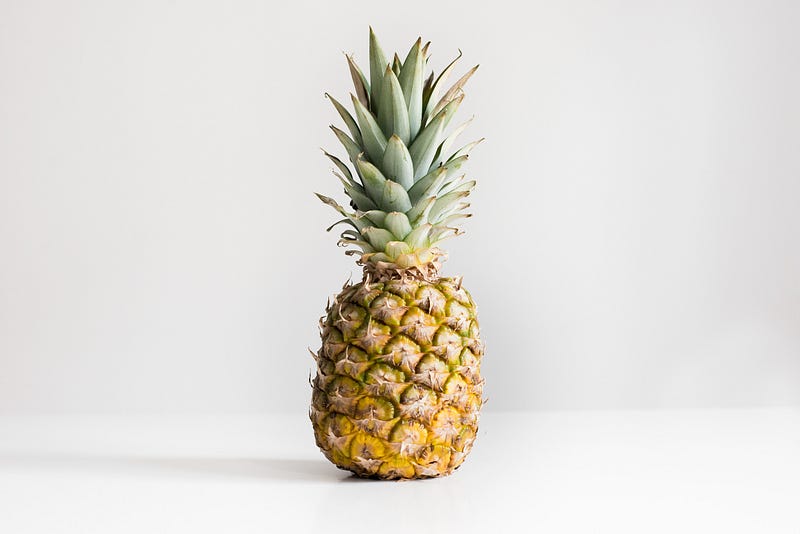
Let me get straight to the point. Fresh pineapple absolutely destroys ham. I don’t mean this in some sort of esoteric, elitist, foodie fashion where I think it’s some sort of culinary crime like putting it on pizza. I mean, it will literally destroy the fiber of the meat, rendering it into inedible mush.
Like many people, we learned this the hard way. What began as a beautiful ham from a pig our daughter hand-raised, became a culinary disaster. It wasn’t until my wife googled it, that we learned of the source of our mistake.
While pineapple and ham have long been a delightful combination of sweet and salty, using fresh pineapple when cooking ham (or any sort of meat) will result in destroying your main dish and ruining your meal.
The reason is a powerful enzyme in fresh pineapple known as Papain. Think of it as a meat tenderizer on steroids. When brought into contact with meat, it immediately begins to break down the natural fibers, and by the time it’s finished, you’re left with something resembling disintegrated flesh. It’s like dipping flesh in acid.¹
There is a workaround, which is to use canned pineapple or cook the fresh pineapple first. The trick to deactivating the enzyme is heat, which occurs in the canning process, but if you grill the pineapple or otherwise, heat it enough to kill the Papain.
In all honesty, the first thing you should do is complain to the customer service desk at your grocery store for either intentionally or through negligent indifference, leading you astray in order to sell you a $3 fresh pineapple. If you see such a display, you should take a picture and post it, tagging the store as a prime example of dishonest practices.
Every year grocery stores set up elaborate displays of Easter dinner ingredients, which for many people, include pineapple and ham. We grew up on it. But where our silly parents used canned fruit, we will be the more modern, adventurous types and use fresh. Right?
Don’t fall for it.
Next week we will discuss why powdered garlic is superior to fresh when cooking many dishes such as Chicken Francese because the fresh garlic burns, and you end up with a terrible dish.
If you like what you’ve read here today, click to follow more posts by David Todd McCarty. If you’re not currently a Medium subscriber, sign up to read all of David’s articles for free, as well as thousands of other exciting writers.
Follow David Todd McCarty on Mastodon.


