
Nonfiction
Freedom Is Right Outside the Door.
All that matters awaits.
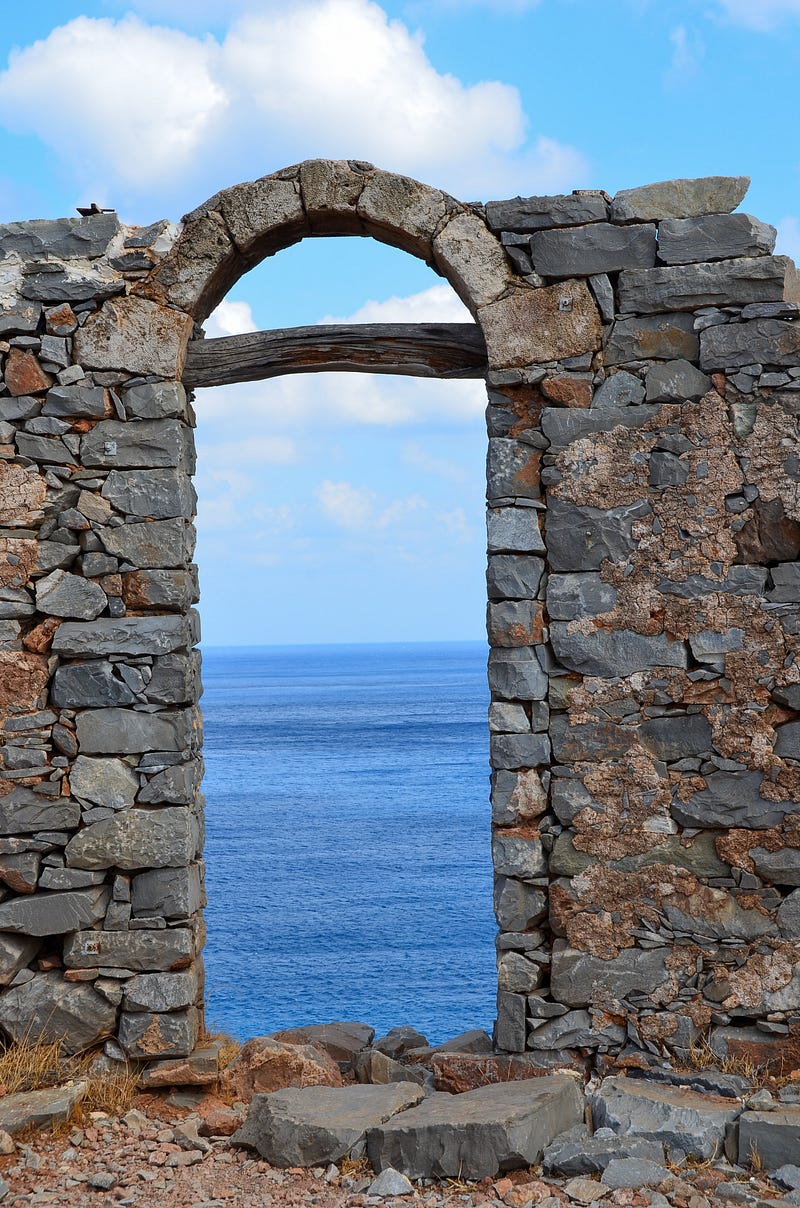
Find Part 1 of this story here, Part 2 here, Part 3 here.
Deciding, on a heart-and-body-broken whim, to leave for Mongolia in my twenties was a declaration and decree.
I will not stay here, in this privileged prison of days spent tapping on a laptop in a windowless basement in the suburbs of Washington, DC. Body bent in conformity and acquiescence.
Selecting the oppression I knew and everyone okayed rather than braving the freedom just outside the door.
Sometimes, we forget a door exists, in this place. Pretending safety and conjuring roles within windowless walls. Breathing stale, grey air and feeding on food that’s not food but something…different. Transfixed by screens and all things familiar if slightly or massively miserable, we say:
Okay. Sure. Take me.
At least we can all rest easy, knowing what’s next in a day and a week and a life. Pushing what’s unknown — what no one can ever know — aside with a to-do list that can never be finished.
Until it is. The Final Completion.
That, I think, can be the only grand prize. Congratulations! You’re finished the list! Move along now. Eternity is waiting.
Meanwhile, back in the world of to dos and roles and laptops and walls, I stood silently screaming.
Body, mind, soul.
All were certain of a door. I only had to find it. I only had to source the courage to pass through.
This is what propelled me towards Mongolia. I left a mad, mad world to come home to myself and to commune with anything and everything that mattered.
Body. Nature. Other Beings. Source.
All here. Always here.
They’re inside too — no need to go anywhere. For me though, there was. Crossing the threshold, escaping the force field of the familiar, required physical departure.
So, driven by some deep-sourced will to survive, I found the door and hurled myself through it. I landed — however improbably — in the Mongolian countryside, on the other side of the planet.
There, waking each day to the whisper of spirits and first flames catching in the iron stove at the centre of my yurt and centre of my world, I remembered.
This is what it’s like. To be a body, a human, a soul.
To be present, connected, alive.
To be…in conversation.
Not with words. Not with the mind ranting on repeat.
With life. With everything known and unknown.
Later, as the sun rose and open terrain grew hot, I’d seek shelter in the forest lining the lake, walking for hours amongst silence and trees.
Sometimes I’d follow my breath or repeat the Gayatri mantra, immersed in meditation. Others I’d allow my thoughts to wander, imagine, create.
Occasionally, I’d emerge into a clearing full of water and sky. In scattered spots, I’d chance upon simple homes with their people outdoors, working or playing.
Mostly, I revelled in solitude — wholly alone with the animals and spirits of the forest.
The walking, which was mindful and slow, did not make my injuries worse and some days seemed to help. This offered lightness and solace. This offered hope that my body and soul knew how to heal.
I followed them. I let them show the way.
Note: This excerpt is part of a larger work on Inheritance, Medicine, Madness, and Prophecy.
Find the first parts of my Mongolia journey, here:
Find similar reads, right this way:
Thank you for reading. I’m a doctor of Chinese Medicine and write about sobriety and soulful living. Find all my links here: