
Free Webinars Are Money Making Machines
A clever marketing tactic that both fools and helps the audience
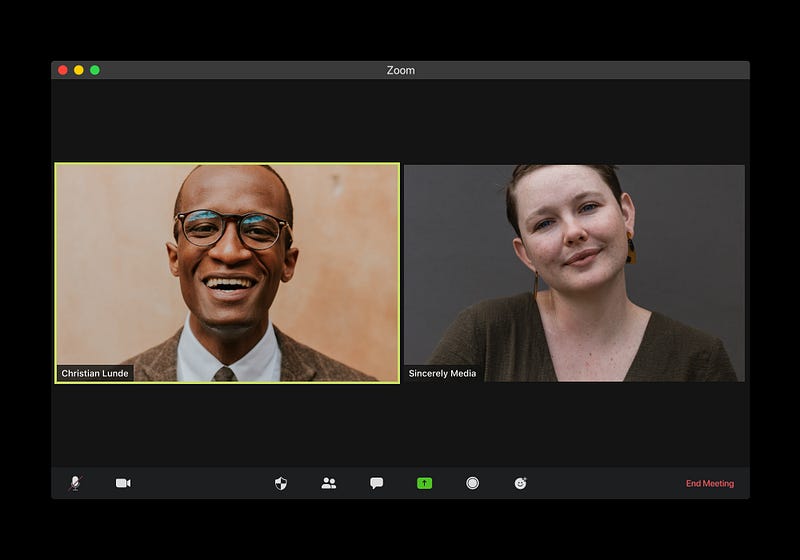
If you like learning and socialising without having to step out of the house, webinars are for you. Just plug in your laptop, sit back and immerse yourself in knowledge and novel experiences.
If you are attending a free-for-all global event, you get to interact with hundreds, maybe even thousands of people from all over the world — all of that for free. Too good to be true?
Yes, it is. What seems to be a generous initiative from the host is actually a clever marketing tactic. What’s ‘free’ for you makes them thousands of dollars.
How?
Free Webinars are extended ads
When we see an ad on social media/youtube, we get annoyed for a second and scroll away — this sends the company’s advertising dollars down the drain.
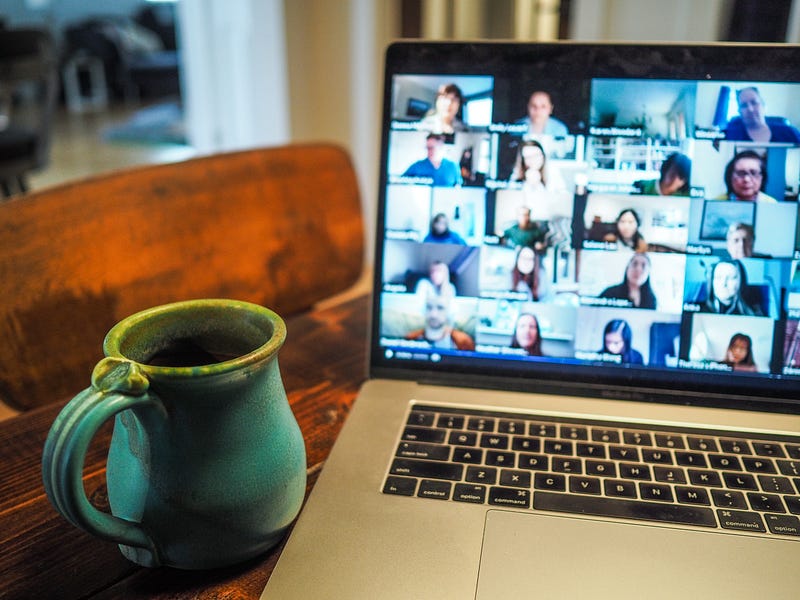
But when we come across a free webinar on the topic of our choice, we are elated. We can’t believe how we got so lucky and hit register at the speed of light. We tell our friends and family and hype them up enough to join along with us.
Boom! The company already has an audience of thousands before even offering value.
You set multiple reminders to ensure you don’t miss the event. If you are like me, you show up before time, just in case. You are ready with a notepad and a couple pens to furiously take notes.

And you just sit there as the entire webinar passes you by. Now you know everything — about their company, their goals and how much value they provide.
Wait, but where’s the information, the knowledge, the insights, the ‘life-changing transformation’ they promised?
Oh, you have to pay for that. But don’t worry, they are starting a new workshop tomorrow and you get a special insider’s discount, so you can attend their 4-week program for just $799.
Does this deceptive model actually work?
Better than you would think.
As illustrated in the above example, people scroll past ads but actively engage in webinars. These webinars give companies a pre-existing, interested audience that has already invested time and effort into their campaign.
Selling to a group who is already sold on an idea is easier.
If I want to sell a course on the intersection of philosophy and psychology to an audience who might not be interested or even aware such a concept exists — I would have to spend an enormous amount of time, energy and money to educate the audience and cultivate interest. Or spend advertising dollars to find the small group of potentially interested attendees.
None of these are feasible and my course will likely tank.
Enter webinars. I hire a tech-savvy intern to create an attractive PPT and post it around social forums with relevant hashtags.
People like free stuff so even those who aren't too pumped about the topic show up, just because it is free and they might not have anything else to do that day. Some drop in out of curiosity while a small portion is my target audience — people who are interested in the topic and would be willing to pay a premium for the course.
Now that I have this interesting mix of individuals together, I can put my marketing skills to good use and convince them how my course will completely transform their lives and they are making a huge mistake if they don't grab the opportunity now.
I tell them prices are going up and induce fear. We, humans, are wired to prevent loss and this kind of psychological manipulation preys on our survival instincts. We feel like we must grab onto what we can because we might not get the opportunity again, in the future. This strategy worked well during hunting and gathering phase but now it makes us impulse buyers.
Which is why the model works. I get to impress and terrify a bunch of semi-interested people and persuade them to invest without having to fight for their attention on social media or keyword stuff my articles for optimization. They are here and they are thinking about it. All I have to do is convince them enough to nudge them over the fence.
Asking the right questions
The question then, isn’t whether the model works; rather we must ask, whom it works for.
Companies.
The company amasses a large audience for little to no money but the audience themselves suffer. They lose out on a large chunk of time staring at 30–60 min advertorial, heart full of disappointment. They are frustrated, feel betrayed but can’t do anything about it as they have participated voluntarily and haven't paid any money to ask for a refund.
But it isn’t always lose-lose
Sometimes both sides win. Sometimes courses get sold out with an incredible list of attendees who are grateful for the webinar because they would not have found the content otherwise.

I would love to attend a course on the philosophy-psychology intersection but I don’t make an active effort to look for it. Yet, if I come across one while casually scrolling through my social feed, I would be excited — because I wanted it, I just didn’t want to look for it.
Sometimes we might be a place where can and want to pay a premium for a course we are interested in but need some more information to be sure. That’s where webinars work well. They give you sufficient information in a short amount of time to make a decision. The ones with a Q & A section are especially helpful.
So it isn’t like all free webinars are bad, unhelpful or deceptive — they can be, yes. But just like all things in the world, they have a good side and a bad.
I am not always looking to buy a course. Sometimes I just want a short 45-minute lecture about feminism in historical fiction, but I end up with a 45-minute introduction to a marketing agency and their mission statement. For the next week or two, my inbox is filled with promotional emails guarantying a complete life transformation for a few hundred dollars. That makes me repulsive towards any other webinars I see in the future.
But on the other hand, sometimes, I come across an intriguing topic that I had never heard about. It’s slightly familiar yet novel enough to make me want to find our more. So I click. It’s a 45-minute information session about how their company is contributing in this field and how I can benefit out of it. This is great. It aligns with my values and I see myself becoming a prominent contributor in this field. So I sign up for their long-term program and we all go home happy.
Two people, same webinar, different outcomes.
So the answer lies not in shunning webinars or embracing them as the sole marketing tactic but being transparent about them. Instead of misleading people with clickbait headlines, being honest about what you will cover can go a long way in grabbing the right people’s attention.
Instead of gathering 800 participants interested in psychology and/or philosophy, now you have 350 participants specifically interesting in the intersection of the subject and how your company can help them contribute better in this industry.
Looking just at the numbers, you might think that’s fewer people = less money. Au contraire, it’s a high concentration of the target audience that is twice more likely to convert than the 500 just here to browse.
If you are selling a $799 course and even a quarter of them convert, that’s nearly $70,000 through a 60-minute free webinar.
Automate parts of it and hire admins to oversee the process and it becomes a money-making machine.
Takeaways
- Webinars are extended ads
- Selling to a group who is already sold on an idea is easier.
- People like free stuff and a large number will show up out of curiosity.
- Humans are wired to prevent loss and the fear of missing out pushes them to make impulse buys.
- Webinars eliminate the need for social media attention battles and keyword-stuffed articles
- Misleading webinars benefit the companies but disappoint the participants making them repulsive to future opportunities.
- The most effective way to guarantee a win-win scenario is through transparency.
- Targeting people who are interested AND willing to invest increases conversion rates.
- Scheduling a Q & A session for people who are interested but need more information also boosts conversions.
- Automate the process and hire admins to make it a money-making machine.


