
Hibiya Music Festival Builds a Pay-Forward Culture in Japan
This free summer event is harnessing the power of crowdfunding to create a place for music lovers

What marks the beginning of summer in Japan? The end of the humid rainy season? The emergence of children’s summer uniforms?
No. It’s all the announcements of forthcoming summer music festivals with the promise of exhilarating heat. Well, at least when I notice the start of summer.
ROCK IN JAPAN, FUJI ROCK, SUMMER SONIC—there are many thrilling, massive events across Japan during the hottest season. But most of them focus on young, avid listeners, and those venues are flooded with crowds and overwhelming excitement.
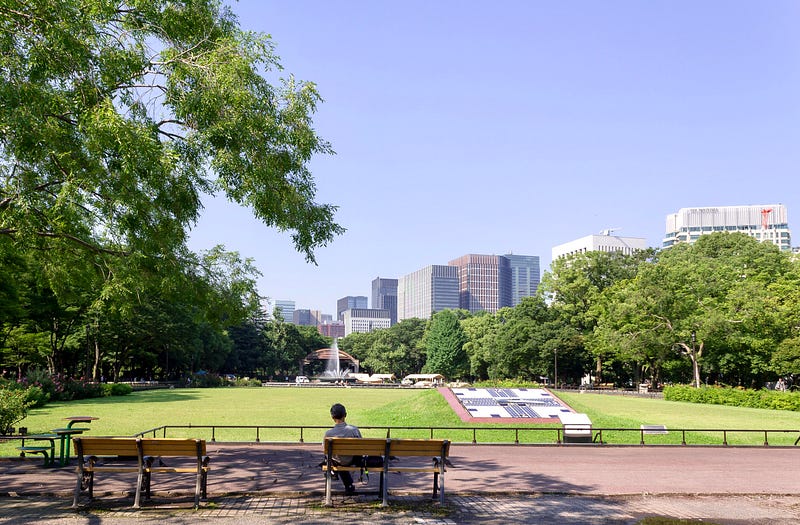
If you live in Tokyo or the neighboring areas, Hibiya Music Festival is the most inclusive, family-friendly, yet authentic music event. Surprisingly, the admission to Hibiya Park during the festival is free. And even the concerts are free!
Although you need to book your ticket beforehand and pay a ticket processing fee, it’s only around $2.50 and you can apply for a ticket on the day of the event. It runs from June 3rd to 5th this year, and I recommend it even if you missed the tickets for the concerts. (You can also enjoy watching the live streaming from U-NEXT!)
It’s an open space and the performances will be within earshot, and there’ll be a lot of food and musical instrument booths that offer talks and workshops. It was held virtually with no audience last year, so 2022 will be special for all.
According to the chief organizer, Seiji Kameda, one of the legendary producers in the Japanese music scene, SummerStage Festival at Central Park in NYC inspired him to start this event in Tokyo.
He explains Hibiya Park is similar to Central Park in many ways. Certainly, it is located in the center of Tokyo—less than 15 minutes from Tokyo station, and a 2 minute walk from Hibiya station—and you could be tempted to call its neighborhood Little Broadway with the Imperial Theatre and Nissay Theatre.
Nowadays people enjoy music with AirPods and streaming services. The music industry has become more and more fragmented and there are fewer songs that we can enjoy and discuss across generations. Kameda wanted to create a space where everyone could come together and listen to music.
However, raising enough funds for next year’s festival isn’t so easy. Against the target of 2,000万円 ($154k), crowdfunding has raised approximately 950万円 ($73k) as of June 3. It’s less than 50% of the target amount and lower than last year’s 1,100万円 ($85k).
People can support this funding by June 20, which means they can donate as much as they want after they have enjoyed this year’s spectacular event.
This is a test for Tokyoites as to whether they deserve the music culture that Kameda witnessed in NYC.
If you enjoyed this article, discover other works of the author at Japonica.
Follow Yuko for more stories about cross-cultural topics, travel, business, parenting, and equality. You can also subscribe from the referral link, which Medium uses a portion from followers for author support without any additional cost. Mediumの購読は、こちらのリンクからどうぞ。