
Frankenstein Inspired Generations of Successful Writers
Being inspired by the classics can be lucrative
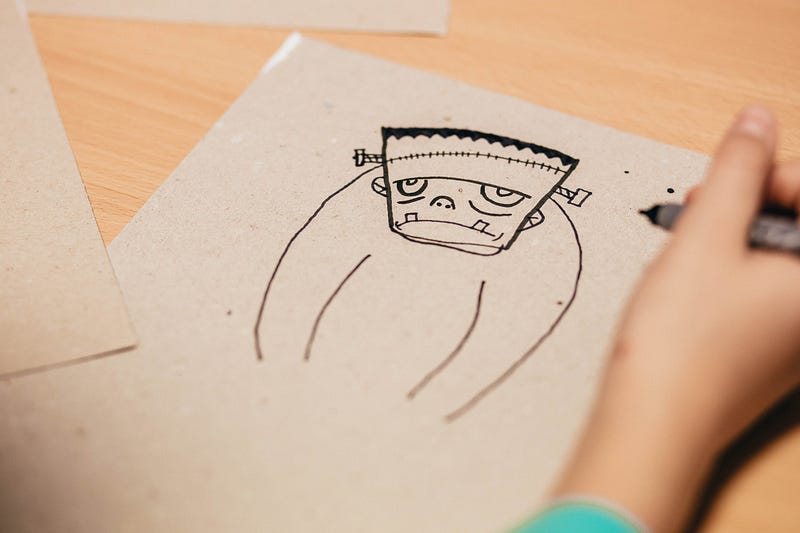
2018 marked 200 years since Frankenstein by Mary Shelley was published. Her remarkable tale of creating new life captured the imaginations of storytellers and film-makers, with dozens of stories inspired by, or adapted from, Shelley’s original work.
Some are straight retellings of the original plot; others take the concept of Frankenstein’s monster in a completely different direction, such as the ‘Frankenstein’ characters in the 1960s television series of The Munsters (Herman Munster) and The Addams Family (Lurch the Butler).
The original Frankenstein story was first imagined in a dream by 18-year-old Mary Shelley over 200 years ago, yet the concept is still compelling, and new adaptations appear almost every year.
Young Frankenstein, Weird Science, and even an episode of The X Files were inspired by Shelley’s classic tale.
The story of Frankenstein imagines what might happen when we push the boundaries of scientific discovery. It explores the essence of life, what it means to be human, scientific ethics, and how it feels to be different and alone in the world. The plot is both timeless and captivating.
Today’s writers continue to be inspired by Frankenstein and other literary classics, because while the world around us changes, classic stories continue to come alive in new settings and new times. As a writer, you can adapt the plot and put the characters into different situations. If you lack inspiration for your storytelling, or have a problem with weak plots, you might benefit from looking to the classics for ideas.
Contemporary novelist Dean Koontz wrote a series of Frankenstein books, updating Mary Shelley’s Frankenstein by setting the story in modern-day New Orleans, and writing a series of sequels.
In Koontz’s stories, Victor Frankenstein is known as Victor Helios; he continues to create new life-forms using modern technologies, particularly synthetic biology, to create androids with flesh. Memories, information and behavioural traits are downloaded to their synthetic brains, so they appear to be alive. Opposition comes from Frankenstein’s original monster, now called Deucalion, and two detectives.
Bernard Rose’s Frankenstein, a movie released in 2015, showed Victor Frankenstein and his wife manipulating DNA to create a monster. That story is told from the monster’s perspective.
Today genetic engineering provides an obvious alternative take on the Frankenstein story. Jurassic World uses DNA manipulation to create a dinosaur theme park.
How could you use DNA technology to retell the story of Frankenstein? Would a community of genetically advanced (or enhanced) humans, created in a lab, make an interesting story? What about bringing people back from the dead, using Frankenstein as inspiration? Or resurrecting the patchwork Frankenstein of Victorian England in modern day New York?
Contemporary authors will often turn a classic tale into a new work of fiction by re-imagining the characters in modern-day situations.
Another example is Anne Tyler, who’s written a series of best-selling novels based on the works of Shakespeare. Vinegar Girl, inspired by The Taming of the Shrew, portrays 29-year-old Kate as the lead character, who’s not about to be pressured into marriage to suit her father’s business interests. The story explores family dynamics, as the author turns Shakespeare’s plot into a modern tale of a young woman who rejects a potential suitor until he slowly grows on her.
What modern interpretations of classics have you come across?
Have you written a story inspired by the classics yourself?
Here’s a recent example of me being inspired by Charles Dickens’ Scrooge…
© Susie Kearley 2022. All Rights Reserved. Based on a piece I wrote for Writer’s Digest magazine in 2017. I own the copyright.
More from me…


