avatarThalia Dunn

Free AI web copilot to create summaries, insights and extended knowledge, download it at here

1303

Abstract

that a haiku is like putting a frame around an image to highlight it.</h2><h2 id="a677">The image doesn’t have to be profound, but the frame invites the viewer to appreciate it, just for the moment.</h2><figure id="03b3"><img src="https://cdn-images-1.readmedium.com/v2/resize:fit:800/0*_wNJjnReDynM_AGc"><figcaption>Photo by <a href="https://unsplash.com/@rolzay?utm_source=medium&amp;utm_medium=referral">Rolands Zilvinskis</a> on <a href="https://unsplash.com?utm_source=medium&amp;utm_medium=referral">Unsplash</a></figcaption></figure><p id="d944">The focus in on the natural world. Seasonal words, known as ‘<b>kigo’,</b> guide the reader to appreciate the essence of the season through implication. Human emotions are not part of haiku and when they do, the form can lengthen to become a ‘tanka’ poem . But let’s get back to haiku.</p><blockquote id="b37b"><p>Rushing waves of wind snatch and tear at barren trees; Winter’s final storm.</p></blockquote><p id="8c85">Haiku groups two of the three lines together in the poem to highlight one thought. The first and second lines join together to create an image and then the last line is the wrap-up.</p><p id="7773">Or the first line can be the introduction and the next two lines carry the weight of the poem.</p><p id="254f">The carefully chose

Options

n word to imply the season, or the well-placed adjective to cause the reader to pause and nod in agreement is the “<b><i>cutting word</i></b>” to offer an element of surprise within the poem.</p><p id="133e">There’s an understated elegance of using few words to create a lasting impression.</p><blockquote id="1fef"><p>“Few well chosen words evoke a mental picture; essence of haiku” .</p></blockquote><p id="cfee">That’s the power of haiku — painting a verbal visual and letting the reader create the image in his or her mind.</p><p id="9549">So I’ve been dabbling in traditional haiku as I experiment with how to capture the essence. And somewhere along the way I have discovered that haiku has sharpened my outlook on life as I intentionally look for the images in my day that I want to frame and enjoy.</p><blockquote id="4ea0"><p>“A haiku each day; poem or word picture to frame this moment in time.”</p></blockquote><figure id="3009"><img src="https://cdn-images-1.readmedium.com/v2/resize:fit:800/0*Fv4e_EXx-lcA1alW"><figcaption>Photo by <a href="https://unsplash.com/@paulgo?utm_source=medium&amp;utm_medium=referral">Paul</a> on <a href="https://unsplash.com?utm_source=medium&amp;utm_medium=referral">Unsplash</a></figcaption></figure><p id="36e4"><i>© Thalia Dunn 2021</i></p></article></body>

WRITING TIPS

“Framing the Moment”

To Create a Haiku

Photo by Bermix Studio on Unsplash

Most people define haiku as a short poem with only three lines and a certain number of syllables per line — five for the first, seven for the second and five for the third. How hard can it be to write a haiku if I just have to count?

Harder than it seems.

For example:

Here is a haiku with the syllables counted; this one doesn’t count!

What? Why?

Merely placing words in three lines with the correct syllabic count of 5–7–5 does not create a haiku.

Traditional haiku, originating in Japan, is a ‘word painting’ capturing a moment in nature and highlights seasons with a minimum of words.

Frederick Buechner, American author, poet and theologian, points out that a haiku is like putting a frame around an image to highlight it.

The image doesn’t have to be profound, but the frame invites the viewer to appreciate it, just for the moment.

Photo by Rolands Zilvinskis on Unsplash

The focus in on the natural world. Seasonal words, known as ‘kigo’, guide the reader to appreciate the essence of the season through implication. Human emotions are not part of haiku and when they do, the form can lengthen to become a ‘tanka’ poem . But let’s get back to haiku.

Rushing waves of wind snatch and tear at barren trees; Winter’s final storm.

Haiku groups two of the three lines together in the poem to highlight one thought. The first and second lines join together to create an image and then the last line is the wrap-up.

Or the first line can be the introduction and the next two lines carry the weight of the poem.

The carefully chosen word to imply the season, or the well-placed adjective to cause the reader to pause and nod in agreement is the “cutting word” to offer an element of surprise within the poem.

There’s an understated elegance of using few words to create a lasting impression.

“Few well chosen words evoke a mental picture; essence of haiku” .

That’s the power of haiku — painting a verbal visual and letting the reader create the image in his or her mind.

So I’ve been dabbling in traditional haiku as I experiment with how to capture the essence. And somewhere along the way I have discovered that haiku has sharpened my outlook on life as I intentionally look for the images in my day that I want to frame and enjoy.

“A haiku each day; poem or word picture to frame this moment in time.”
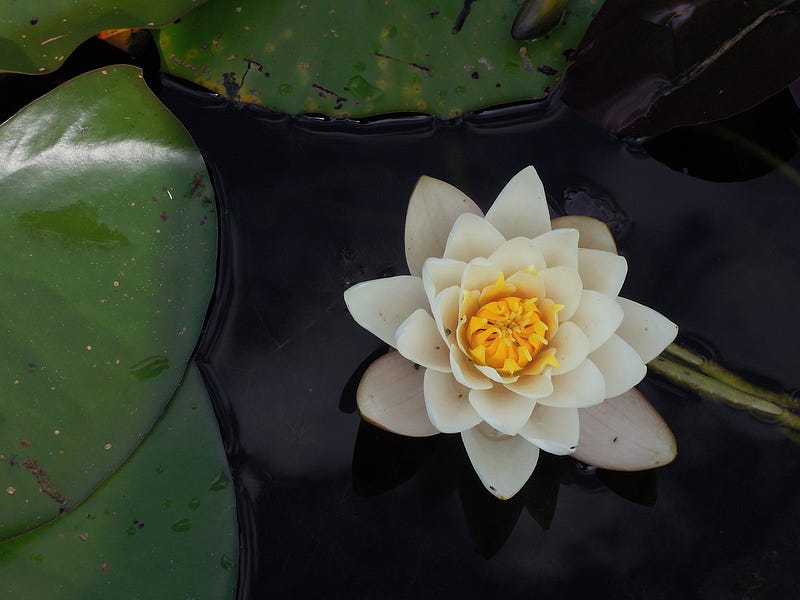
Photo by Paul on Unsplash

© Thalia Dunn 2021

Writing Tips
Haiku
Writing
Self-awareness
Reflections
Recommended from ReadMedium