
Four Ways you can Take a Successful Athletes Approach Towards Stress Management
The best people to mirror when handling stress is none other than the most successful athletes around
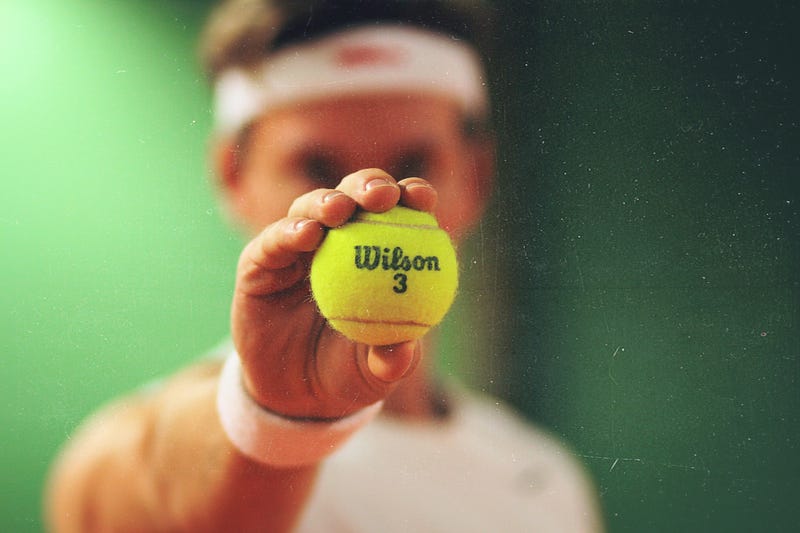
If anything, the pandemic itself has brought on more stress on top of the personal and professional setbacks we may have encountered.
Just look at all the controversy that Novak Djokovic has experienced in Australia.
If Djokovic could participate in the Australia Open — how would he handle the stress of the whole vaccine debacle & would it hurt the performance of this champion?
Athletes are trained to perform no matter what’s happening around them or how they feel.
They are fortunate enough to have coaches and professionals on their team to help them battle those demons within and externally.
How can we leverage some of their strategies to help us cope with our stressors? Read on and see how you can apply these principles in your own life.
One: No matter how stressed you are, you must still eat
As hard as this can be, it’s vital NOT to eliminate eating when under stress.
When you don’t eat at all during the day, your blood sugar drops too low, increasing cortisol.
Stress can blunt hunger, making it very hard for some people to keep food down.
But, later on, when the pressure subsides, the need to eat comes on with a vengeance.
That’s why it’s essential to eat something — even if it’s a small snack to keep your energy levels balanced and stop you from the ravaging hunger that will follow.
In addition, sometimes eating can help boost our mood.
Two: Don’t overuse caffeine to stimulate you
Coffee is terrific, and most of us love our morning cup of warm glory.
The trouble is, when you have multiple cups per day, we can further increase our brains' already overreactive stressed state.
As a result, you may get yourself very wired and quite possibly lead to an inability to wind down of a night.
Try to supplement your coffee with herbal teas and perhaps some mineral water with lemon. Both are refreshing and quench thirst.
Don’t forget to keep drinking water throughout the day.
Three: If you train hard, modify as needed
Many people — including myself, use exercise as a stress reliever.
But sometimes, it can aggravate the problem.
You may not have known that weight training protects cells from stress. Weight training can improve your bodies natural defences against the never-ending onslaught of pressure.
Keep that in mind when you’re wondering if you should exercise or not.
Sometimes it’s the feeling you get afterwards that will make all the difference.
Four: Give yoga, deep breathing and guided meditation a try
Sometimes sitting back and allowing your mind to connect with your body can give you clarity of intention as to what matters.
These activities create favourable chemical changes in the brain and help to balance the cortisol overload.
Try guided meditation if you find your mind wandering, or maybe some gymnastics (which has often helped me).
These mind and body centred activities can help cut the stressor ties.
Key Takeaways
Although there is no massive cure for stress, taking the athletes approach can work in your favour.
The more you train your body and mind to cope, the more leverage of control you’ll have. People might start to wonder why you are so calm under pressure.
Maybe you can help them out by passing on these tips.
If you would like to read more articles like this or start writing your own, please sign up via my link. I’d love to see you on the other side.
Sign up here for your medium subscription.
I get a portion from your monthly fee at no extra cost to you, and it will go a long way in supporting me as a writer.
If you would like to express gratitude with coffee, send the love via this link.