
Four Things To Look Out For Every Day To Prevent Your Sudden Death
Mindfulness is on everyone’s lips. It is usually recommended to regain one’s inner balance and reduce stress. But mindfulness can also save your life, because it prevents stupid, avoidable accidents.
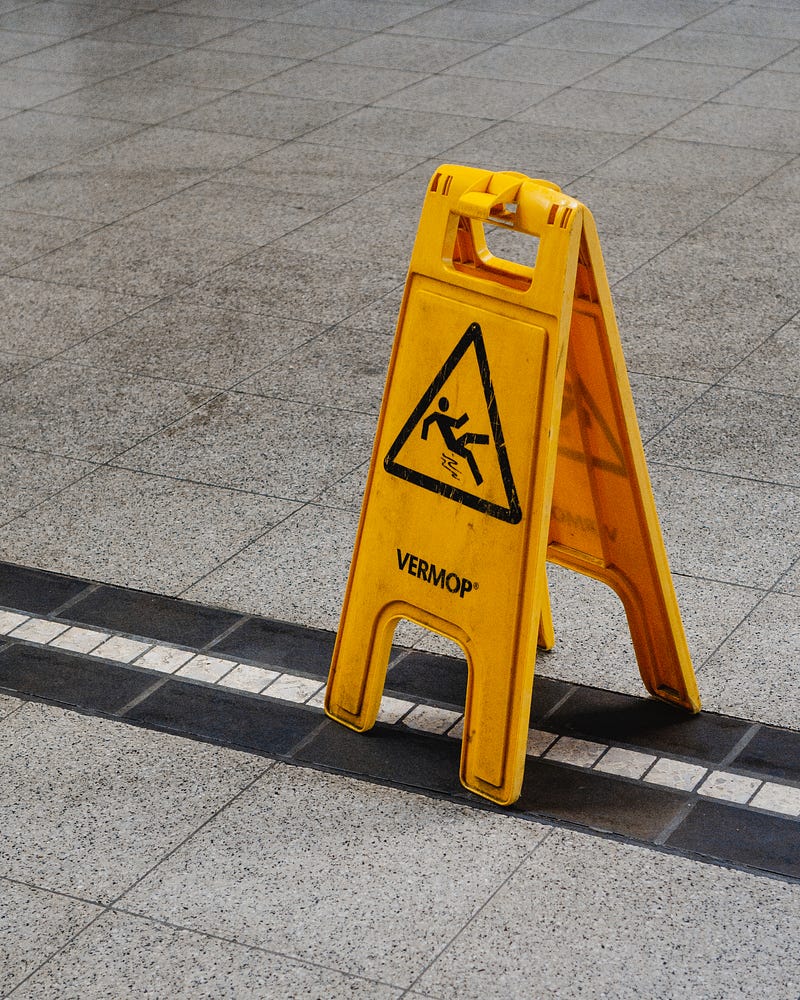
Most of us have had an accident in our lifetime. Either we had an accident with our car, fell off somewhere, slipped, and fell down or injured ourselves with a tool. There are many different ways to get hurt more or less severely in everyday life.
The trauma surgeons in hospitals live from the fact that we are careless and distractible. Accident prevention regulations exist because people are rarely careful enough on their own.
Why is that so? We live in a world in which internal and external stimuli are continually flowing in on us. We have to decide within seconds and unconsciously where to focus our attention every second. Of course, we often miss out on things that actually deserve our attention.
Mindfulness can help in this case. Only if we continuously remain in the moment with our attention, we have a chance to recognize and avoid risks safely.
In my everyday life, I have recognized many small dangers in this way, which I can now consciously avoid. Many of them would have the potential to kill me.
1. when getting out of the bath or shower: slipping in the shower is extremely dangerous because the bath fittings and the tub itself can break our skulls if we fall. Craniocerebral trauma is one of the worst things that can happen to you. So you should do everything you can to avoid such an accident.
When we get out of the wet tub, the danger is most acute, because we take one foot off the ground and can slide off more easily on the second.
In everyday life, we are hardly aware of this danger. But if we think about it because we are careful, we will grab hold of something when we get out of the tub. But if we think about it because we are mindful, we will grab hold of something when we get out of the tub. So by the simple act of grabbing hold of something, we reduce the risk of a potentially fatal accident considerably.
2 When climbing stairs: Most people trust their motor memory when climbing stairs. Our feet usually find the right step length automatically and bring us safely to our destination.
But because we feel so safe, we tend to be distracted when climbing stairs. We look at our mobile phone, look around or daydream without paying attention to our surroundings.
The awareness of being in a potentially dangerous situation when we go downstairs is already sufficient to prevent many serious accidents.
If you carefully go down the stairs, you will rarely have an accident. Watch your steps and look where you step.
3. driving a car: It’s hard to believe, but there are still many people who think that they can do other things while driving. They play with their mobile phones and turn their heads towards the passenger while talking to him or handling food and drink.
A mindful mind can remind you to pull over to the side of the road for a moment and stop if a phone call or something else, distracting, cannot be delayed.
People who have been driving for years are less and less aware of the potentially fatal risk. Mindfulness ensures that you are aware of what you are doing and the dangers you need to avoid.
4. in the home: Climbing onto a wobbly chair to clean the windows is not a good idea, especially if you live on the tenth floor of a high-rise building.
Dangers like these exist in the household in large quantities. We ignore them because we think that nothing bad will happen. Why do we believe that? Nothing has happened to us so far, so it is not expected in the future.
We tend to extrapolate our experiences from the past into the future. It’s a useful quality in many areas of life. In the case of risk assessment, however, this habit can be fatal.
Who is aware that you can break your neck if you fall over the vacuum cleaner cord?
Mindfulness ensures that we become aware of our surroundings again in our homes and recognize many sources of danger that we would otherwise have missed.
Conclusion
Mindfulness is not only crucial for mental health. It can also protect your physical integrity.
There are many dangers in our daily lives that we do not perceive as serious dangers. But the very things we do most often can kill us at some point, because the more often we get into a particular situation, the more likely it is that an accident will happen.
Mindfulness protects us from accidents, which are usually caused by carelessness.
We do not have to live in fear all the time. Attention to the situation we are in is quite sufficient. But we have to pay this attention.
Do you know examples of accidents that you could have avoided if you had been more attentive? I would like to hear about them.
René Junge a published author writing on ILLUMINATION.
Receive weekly updates, and don’t miss any of my articles.
subscribe here http://bit.ly/ReneJunge
Read also:


