
Four Things I Learned While Working at an Animal Shelter
It wasn’t all just petting puppies and playing with kittens.

When I was in college, I worked at an animal shelter for a little over a year as an Adoption Counselor. It was my job to know the animals in the shelter better than I knew myself and introduce them to people throughout the day, hoping they would be a good match. If they were, it was my job to educate the people adopting on how to best care for their newest addition.
I loved my job, and I learned a lot of things. Some of it was what you’d expect — the importance of spaying and neutering, how to properly care for a dog or cat, and how to catch a kitten that made a run for it. But I also learned a few things that surprised me and have stayed with me many years later.
1. You can’t pour from an empty cup.

When I started, I was warned about compassion fatigue, but it hit me like a truck when I was least expecting it. For those unaware, compassion fatigue often plagues workers who are in a position where you care for others and is when you feel as if you have no more empathy left to give. I’ve never in my life experienced a job where I took work home with me to this extent (sometimes literally, in the form of a fluffy puppy for a sleepover).
My shelter was a private non-profit, and it really was the best of the best. Since we were a non-profit, all the money went back into the shelter to help the animals. In other words, no one had this job because the pay was nice. You were there because you loved animals and were willing to give them your all. It’s hard to complain about being underpaid for a job you give your soul to every day when you know that money goes to saving lives. For these reasons, it’s easy to burn out — no matter how much you love the job. If you’re planning on staying in rescue for a while, it’s essential to take care of yourself.
2. ‘Adopt Don’t Shop’ isn’t the best message.

Controversial, I know, but hear me out. I will always advocate for rescue before going to a breeder. Often the animals in a shelter will make great pets for almost any family — they’re thousands of dollars cheaper too.
That being said, you probably won’t find a pure Golden Retriever in a shelter. Or Corgi. Or St. Bernard. Or Pug. Some people want a specific dog breed, and that’s okay.
The issue with breeders is when they are unethical, also known as backyard breeders. Backyard breeders are irresponsible dog owners who have an unexpected litter of puppies after not spaying or neutering their dogs — and they are the ones contributing to the overcrowding of shelters and euthanasias. On the other hand, an ethical breeder is a perfectly acceptable option for purchasing a dog. An ethical breeder is a breeder who cares about the animals they have and the longevity of the breed. They will ensure the health of the puppies and the health of the breed by not breeding harmful traits.
Ethical breeders are often lumped with backyard breeders, but they could not be more different. Ethical breeders and shelters both have the same goal: healthy animals being placed in loving and caring homes.
3. You can’t save them all.
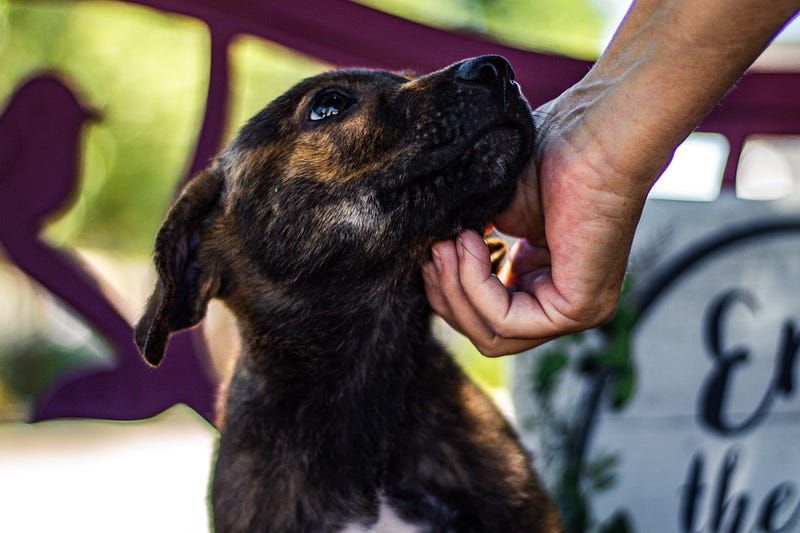
Working in an animal shelter isn’t just playing with puppies all day. Don’t get me wrong, there was a fair amount of that while I worked there, but it wasn’t always sunshine and roses.
The sad truth about rescue is you can’t save them all — no matter how hard you try. At the end of the day, the primary goal of shelters is to save as many animals as they can to reduce overpopulation. I was lucky enough that my shelter was incredibly well funded, and we had the resources to provide medical care for the puppy with parvo or give the rowdy husky weeks of training classes before being placed on the adoption floor. Unfortunately, most shelters aren’t as fortunate as mine. If they tried to work with the rowdy husky for three weeks before placing him up for adoption, he’s taking up a room that potentially 10+ other dogs could have been in and then adopted out.
There is a horrible stigma surrounding shelters with high kill rates as if the workers want to be in that position. In reality, they’re making the hard decisions no one else wants to.
If their decision angers you, there are plenty of ways to help a struggling animal shelter that isn’t donating money — consider volunteering or fostering to lend them a much-needed hand.
4. People will surprise you in the best ways possible
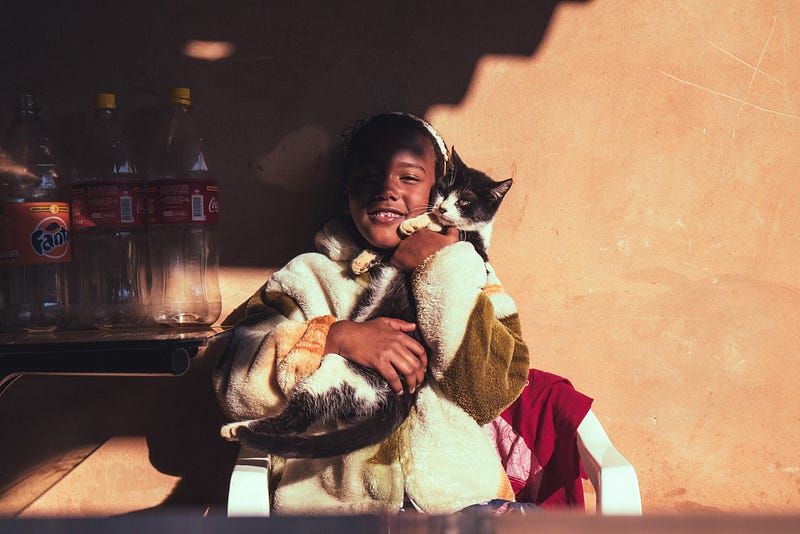
My shelter had what we call a no-barrier adoption. This means there was no application or vetting process potential adopters had to fill out. They could walk in, meet an animal, and leave with them that day. We were only allowed to deny adoption if they told us to our face they would abuse the animal. This can be scary when you become attached to the animals, as we all did. How could I let just anyone take this dog out of the shelter?
Scary as it was, it forced me to trust people. I was only meeting these people for maybe an hour of their life; I had no right to judge them. I can recall numerous stories where I was convinced this person would be a poor match for this dog, but three months later, I’d get an email with pictures of the dog happy as can be.
Yes, there were times when I was right, and they would bring the animal back. But there were also times when I was sure the animal was a perfect fit, and the next day he was back at our shelter. Our adopters always surprised me, and nine times out of ten, it was in the best way.
Working at an animal shelter was challenging but also the most rewarding job I’ve ever had.
If you liked this post and want to read more, consider joining Medium with my link below.


