
4 Random Plants That Will Disappear in the Next Few Decades
Number 1 : Coffee
Ninety-nine point nine percent (99.9%) of all species that ever existed on Earth are now extinct. Most of them perished in the five cataclysmic events in our Earth’s history; and according to a recent science poll, 7 out of 10 biologists think we are in the throes of our sixth mass extinction. Even today, there are species of plants that are in danger of being wiped out due to the effects of climate change and other factors. These species are very dependent on a specific type of environmental factors such as temperature, water, and elevation that if there are disruptions in any of these, they will end up developing poorly, or even fail to grow all together. It is in our best interest to prevent these threatened crops from going extinct as some of these are now woven into the fabric of our daily lives.
Earth is warming up
Climate change is a serious issue that needs to be addressed as soon as possible. The image below shows the temperature differences from global five-year averages on three different years. If your country is in the red, it means your country is experiencing more than 4 degrees above the average temperature in that 5-year span.
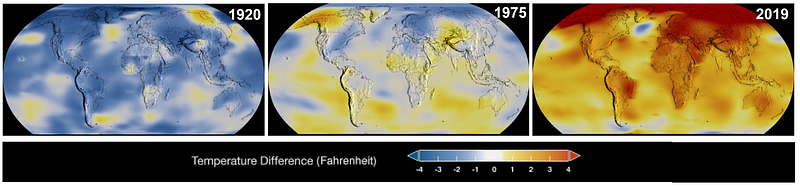
The above image gives an ideal comparison that spans decades on major temperature changes. The most drastic changes are experienced by the areas near the northern pole. The Earth is just getting warmer and warmer. This rise in temperature may directly or indirectly affect sensitive crop species that only grow in specific areas, putting them at high-risk. This is why we need to act now in order to save these crops.
Crops that will disappear in the next few decades
1. Coffee
The world consumes a lot of coffee, mostly to stay awake and to be more alert in doing tasks. Its consumption has been linked to the reduction of cardiovascular diseases, type II diabetes, Alzheimer’s disease, as well as Parkinson’s disease. The Coffea plant where our coffee comes from is especially hard to cultivate. There are two main varieties, the Robusta, and the Arabica. Robustas are bitter, strong, and have a higher caffeine content. The Arabica coffees are the milder coffees with less caffeine and are smoother with a sweeter taste, these are the ones you pay top dollar for in Starbucks. The Arabica is the good stuff, but it’s especially susceptible to environmental changes. Arabica berries only grow in temperatures from 18°C (64.4°F) to 21°C (69.8°F), anything beyond those and the plant will not produce berries properly. The plant also needs a lot of rain and a three-month dry season for it to flower and produce the berries. All these factors make the Arabica only grow at 1000–2000 meters above sea level in tropical areas between 25°N and 30°S.
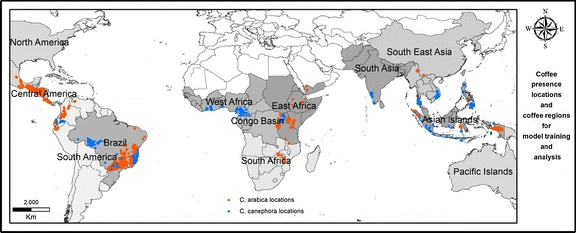
But with climate change, the cycle that dictates temperatures, rainy season as well as dry seasons are all in disarray. So much so that it has been forecast that climate change will reduce productivity of Arabica coffee by half in 2050. The increase in temperature also allows for proliferation of fungal diseases in these plants. Many working people around the world depend on coffee to stay alert and get the job done, taking away this crucial component of society could lead to major consequences. The cultivators are fighting hard to keep these plants alive but it’s a losing battle, especially if we don’t get awakened to the truth about climate change.
- Sources: Vox , Cristian Bunn
2. Chocolate
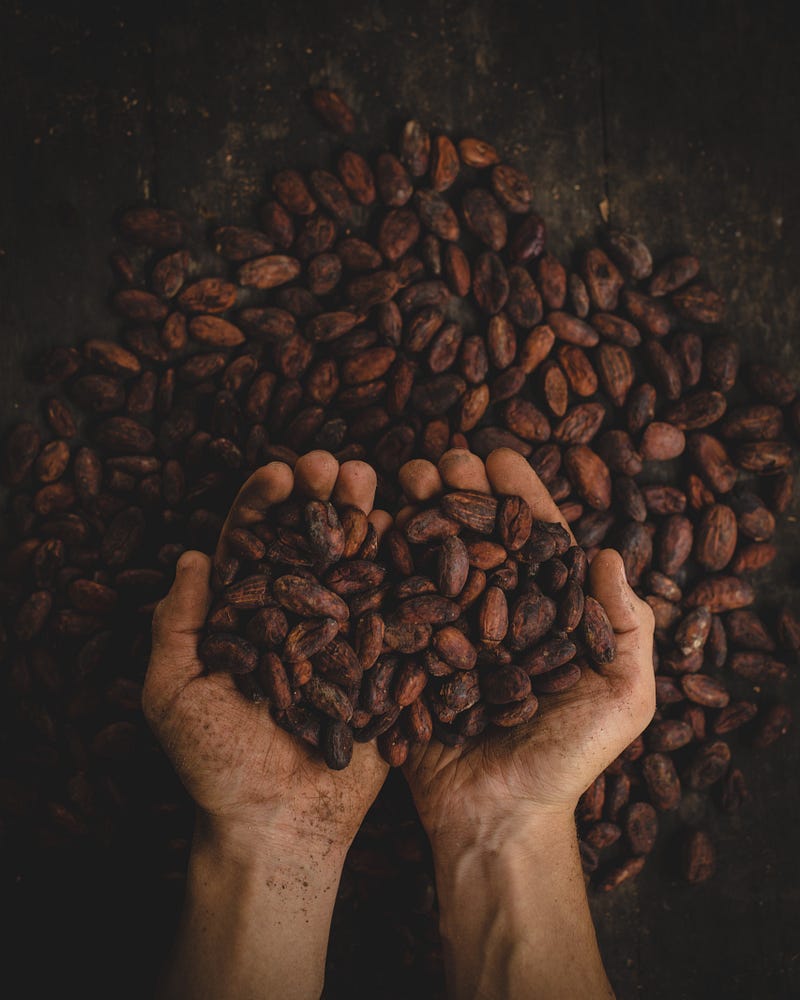
Chocolate is rich in antioxidants and is said to reduce cardiovascular disease, and improve mental function. The Cacao tree is where all chocolate comes from. The Cacao pod from these trees contains seeds that are dried and fermented, and undergo additional processes to create different varieties of chocolate products. Cacao trees are similar to coffee in that they grow near the equator — around 20 degrees above and below it. They also need specific conditions for them to grow properly. Cacao trees actually prefer relatively high temperatures, with a maximum annual average of 86–89º F (30–32ºC) and a minimum average of 64.4–69.8º F (18–21ºC). The rising temperature isn’t the one directly affecting these plants as of yet but the lack of rainfall is. Massive changes in yearly weather patterns are disrupting cacao production. Trees are very sensitive to a lack of humidity and soil water deficiency brought about by evapotranspiration. These plants also need the company of taller trees for protection from the wind, and it gives them much-needed shade, reminiscent of their original living conditions in the Amazon. Too much rain isn’t always a good thing, the extension of the rainy season in most parts of South America can be very inviting to fungal diseases such as Witches’ broom and frosty pod these types of diseases decimated cacao plantations in Central America.
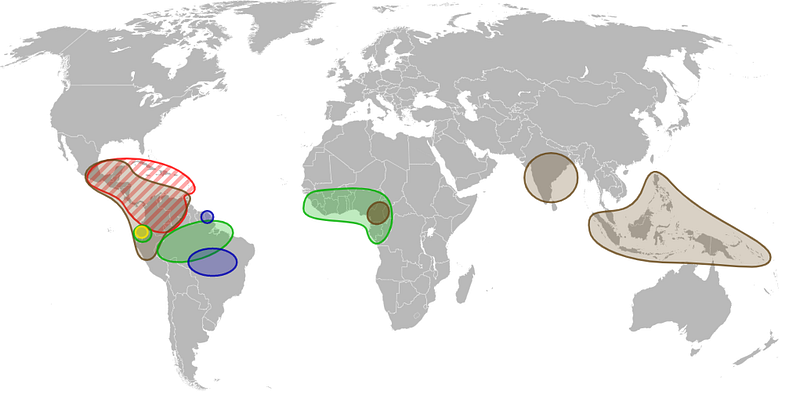
Right now, West Africa produces more than half the world’s supply of chocolate, which in turn is increasingly threatened by droughts. It is predicted that — like coffee — the world’s supply of chocolate will be significantly lessened by the year 2050. I certainly hope we will find a suitable replacement gift item for valentines by that time. All hope is not lost though, various breeding efforts by cultivators are working around the clock to produce varieties of resistant chocolate which could be our golden ticket to save the cacao tree.
3. Avocado
Avocados were originally called āhuacatl, meaning testicle, but it seemed unpleasant and hard to pronounce, so they made an entirely new word — hence avocados. Avocados seem to be the talk of the town nowadays. People put them in toasts, burritos, sushi and almost anything you can think of. Its bright green aesthetic color paired with other foodie backdrops is very popular especially among millennial Instagram accounts. The monounsaturated fatty acids in avocado are thought to lower bad cholesterol while increasing the good ones. The demand for avocado first skyrocketed in the 1990s and has since continued to grow in popularity. Even today, around 11 billion pounds of it are consumed annually worldwide. However, this “super fruit” does have a dark side. Avocados are very difficult to grow given that they use tons of water. Communities in Chile have lost their rivers due to redirecting water to avocado plantations.
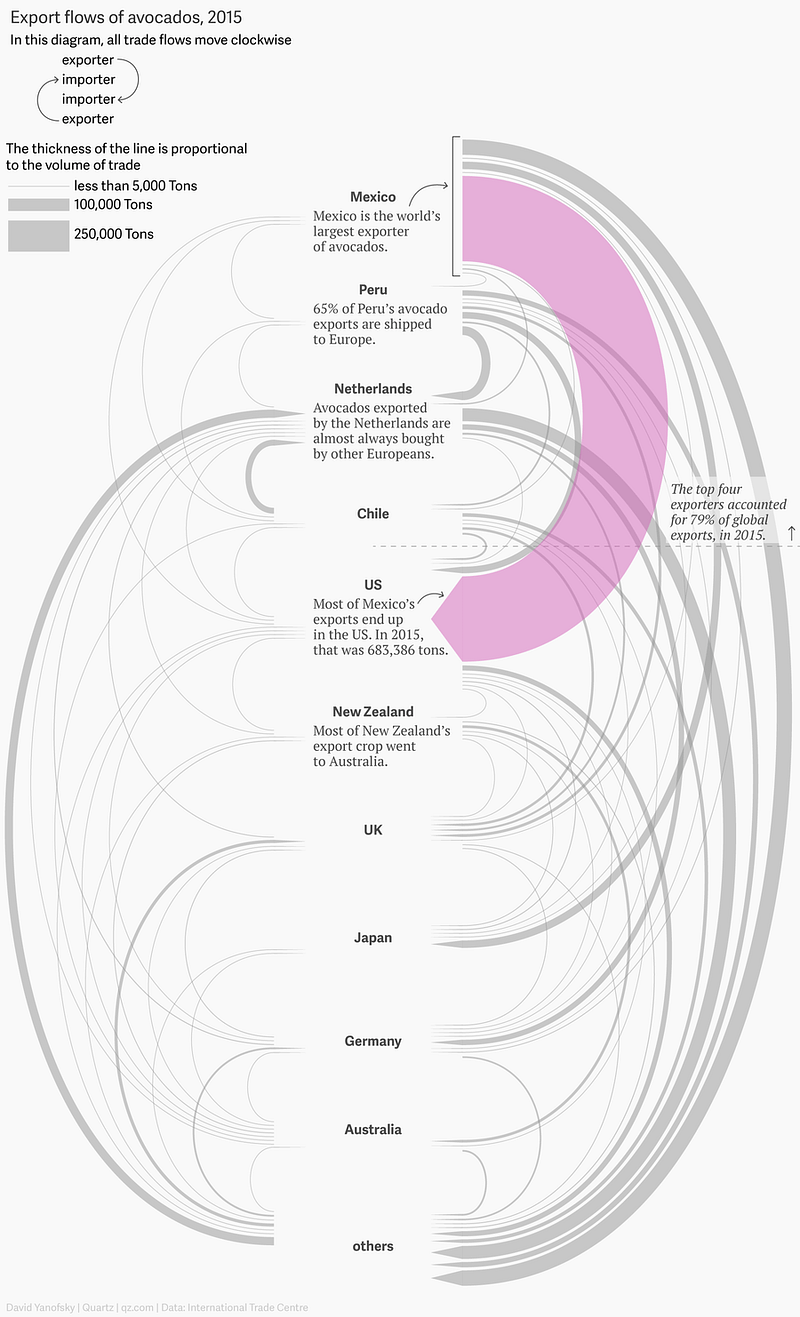
Store-bought avocados in North America are mostly sourced from California, Mexico, Peru, Chile, and the Dominican Republic. The avocado is a thirsty fruit. A kilogram of avocado requires more than a thousand liters of water to grow. Our high demand for this fruit has come at a cost, none know this better than the people of Petorca. Petorca is a town in Chile that has lost 80% of its water to agricultural use — mainly from avocados. Avocados also need stable temperatures for them to flourish, around 60ºF to 85ºF or (15ºC to 29ºC). However once established, they can tolerate even lower temperatures down to 28ºF (-2 ºC). Climate change has also took a toll on the avocados. An increase in global temperatures has significantly decreased the water supplies coming into avocado farms. Average temperatures in Mexico are expected to increase by 3 °C by 2060 due to climate change. In California, constant dry weather has caused intense wildfires, and a decrease in the state’s water supply, which in turn affects wineries and avocado farms alike; cultivators simply just cannot keep up. The constant demand for avocados has also forced massive deforestations in central Mexico that further exacerbates climate change. Sadly, our own insatiable hunger for avocados has been for the worst. Focusing on other food alternatives might mitigate these problems and save the people of Petorca, as well as pine forests in Mexico. If we don’t act now, we are surely toast.
- source: DW, QUARTZ, The Guardian
4. Bananas
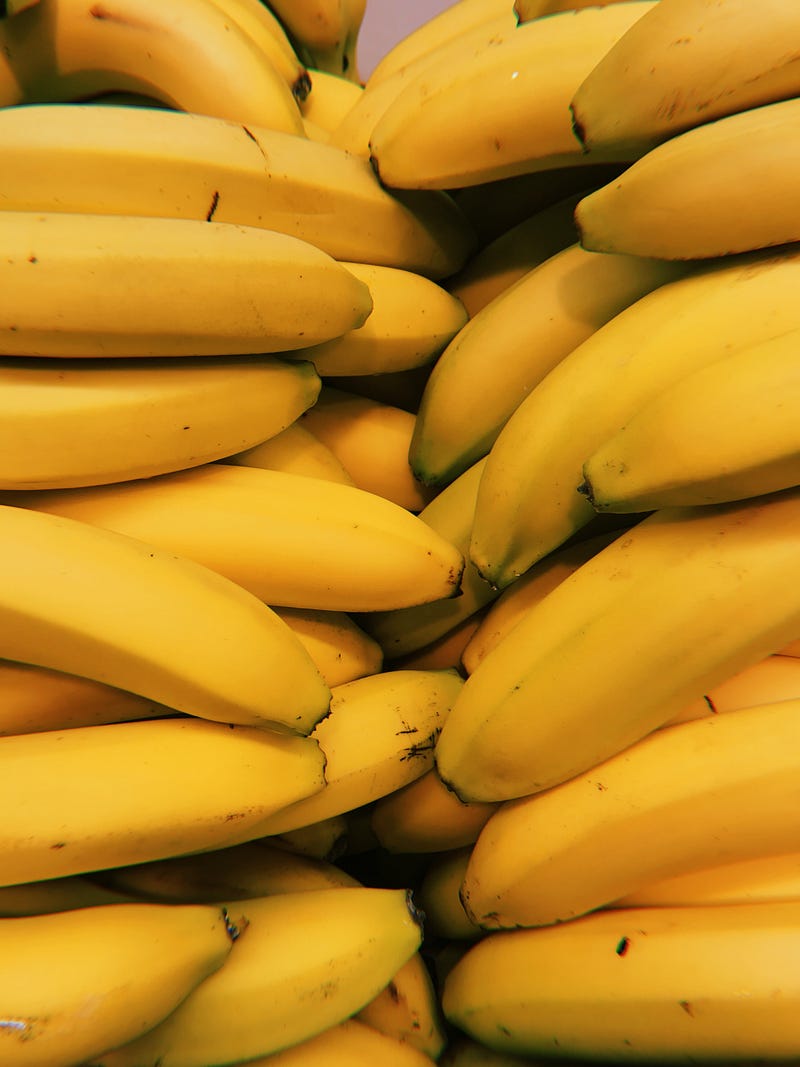
Monoculture is the practice of cultivating a single crop in a given area. Which brings us to banana plantations, except in banana plantations, these crops aren't technically direct offsprings to one another, the bananas are all clones having the same genetic make-up — aka it’s the same banana. In order to produce another banana, the original banana is just cut from the stem and the top part stuck to the ground producing another banana whilst the original banana regenerates. Among all bananas, none is more common than the Cavendish banana. The market is so dominated by this particular banana that it is probably the only banana you’ll ever find in your grocery. If you were to go to a banana plantation, there’s a good chance that every single one of those bananas is Cavendish. In fact there is very little genetic diversity in any given banana plantation that if a fungus kills one banana, it could potentially kill every banana on that field. Cavendish bananas are mainly imported to North America from South American plantations.
Before the reign of the Cavendish, there was another banana that was widely cultivated, it was the Gros Michel, however, these bananas were virtually wiped out by Panama disease in the 1950s, hence you don’t see much of these bananas nowadays. The fungus that causes this disease is Fusarium oxysporum Tropical Race 1 strain or TR1, luckily, the Cavendish is immune to this fungus, however, there’s a new strain of this fungus emerging, TR4, which the cavendish is not immune to, and it is wreaking havoc in cavendish populations across southeast asia. It’s only a matter of time before this fungus reaches South America.
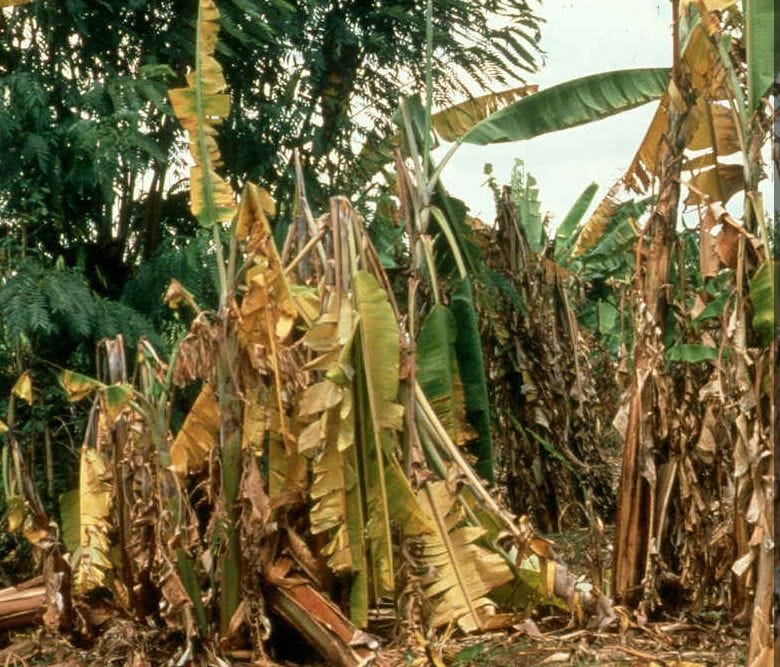
The history of banana is also quite “bananas”. Many conflicts arose, especially in South America, and countless people have been gunned down because of the direct influence of banana companies. This birthed the term “Banana Republic”. Bananas are packed with potassium, a mineral electrolyte that keeps electricity flowing throughout your body, which is required to keep your heart beating. I put the banana last on this list because the increase in global temperatures do not affect them much in a negative way, in fact, bananas love warmer temperatures, but the fungus that causes Panama disease is a real threat which means that if left unchecked, the fungus will soon make bananas a thing of the past. A single microscopic spore of TR4 is all that is needed to destroy an entire country’s supply of bananas. Let’s not lose all hope just yet, many efforts to crossbreed resistant strains with the Cavendish are underway. Biologists in the Philippines have even developed cavendish strains that are resistant to the fungus, the only catch is that no one is buying them because they don’t look particularly aesthetic (having more spots). But if it can’t be helped, bananas will soon become more of a rare luxury, and we will finally see why that art display by Maurizio Cattelan costs $150,000.
- Source: Scishow, Britannica, CNBC, Live Science, Vice News
Not so random
Many species of plants and animals have already been lost throughout history. The universe will always work in ways that lean towards the end of life as we know it. But in spite of this, shouldn’t we act more and do our best to conserve life instead?
As you might have noticed, the crops I mentioned above were not actually random, they are everyday food items that we take for granted, they elicit a response in similar ways to the panda in the WWF. Pandas were not the most endangered species at the time, but they are cute, appealing and it saves a lot of ink for logo companies. The crops are only a few of the one million species of plants and animals reported by the UN that are threatened by climate change. People tend to think that these type of things won't affect them, but they will, and if not, it will affect their children, and their children’s children. We are all connected, this planet of ours is a glass jar, a closed ecosystem that we need to prepare for future generations.
A future generation that will perhaps continue to enjoy coffee, chocolate, avocados, and bananas — thanks to us.
thanks for reading


