
WorkPlay
Four Outcomes Leaders Seek From Teambuilding Experiences
How do I know which is right for my team?
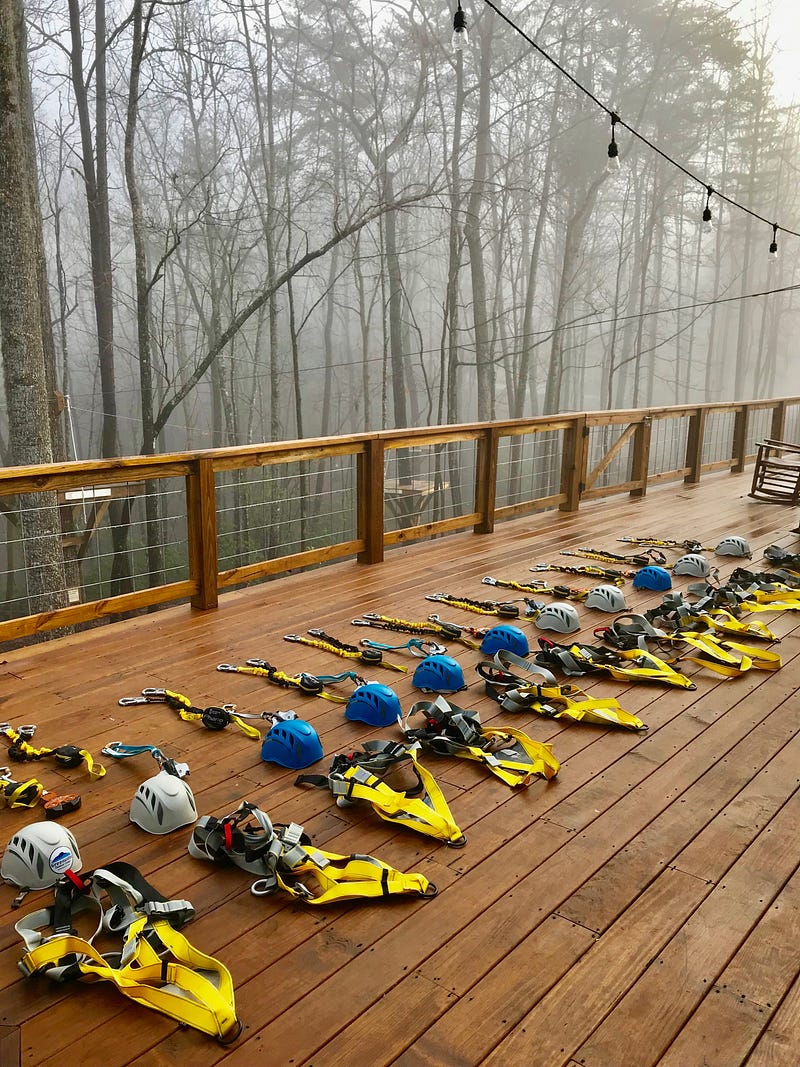
To connect, discover, develop, or overcome.
Throughout my career, I have spoken to hundreds of managers, team leaders, event planners, and administrative staff in an effort to assess needs and plan perfectly customized team experiences. Those needs assessment conversations consistently revealed group leaders’ expectations fit into one of four categories.
There are four reasons leaders want their team, organization, or school, to have an interactive teambuilding experience.
To connect, discover, develop, or overcome. Great experiential program designers understand how important outcomes are to the success of the event and the satisfaction of the client. And it does not matter how flawlessly you design or execute an event if there is a discrepancy between what the client really wants and what you offer. Let us unpack each category and how we know if we are successful.
1. Connect

The primary reason for the connect event is human interaction. The leader believes fun and human connection are the most important unfulfilled needs of the team that can not be accomplished in the normal work setting. The experience creates opportunities to be around coworkers and see them as people first, not their job title. Leaders may seek out a vendor that does teambuilding events or plan their own shindig.
Examples
- Bowling
- Company picnics
- Cookout/BBQ
- Escape room
- Scavenger hunt
- Trivia night
- Zipline/canopy tour
- Pub crawl/happy hour
The leader might say
“We’ve been working hard all quarter and just need a break.”
“I want my team to get to know each other as people.”
“I don’t care if we learn anything, I just want everyone to have a good time.”
“We need our team to bond.”
What success looks like
Employees are spending quality time together, and not talking about work.
The event is fun and memorable.
Any learning that takes place is the result of a novel experience, not intentional teaching or discussion.
Laugher, smiles, and authentic human interaction.
You don’t hear, “that was a huge waste of time and money.”
2. Discover

Discover events can also be referred to as discovery learning. Whatever happens, is good. Participants do an activity, reflect on that activity, and go through the Experiential Learning Cycle. A trained facilitator leads questions of What, So What, and Now What. Whatever conversation that happens is the right conversation, whether or not it was the most pressing topic for the group. Participants and facilitators discover together. There may be suggested topics to steer towards, but in general, it’s a very free-flowing learning environment.
Examples
- Traditional challenge course programs
- Traditional experiential learning programs
- Connect activities paired with reflection and discussion
The leader might say
“Can we talk about communication or problem-solving?”
“I want our team to build trust.”
“I did a ropes course as a teen and it was meaningful challenge for me, and I want others to have that same experience.”
What success looks like
Activities are pertinent to the audience and engaging.
Concepts have real-world applications.
Learning comes from identifying teachable moments, reflection, and discussion.
Insight and future action are discovered at their own pace.
3. Develop
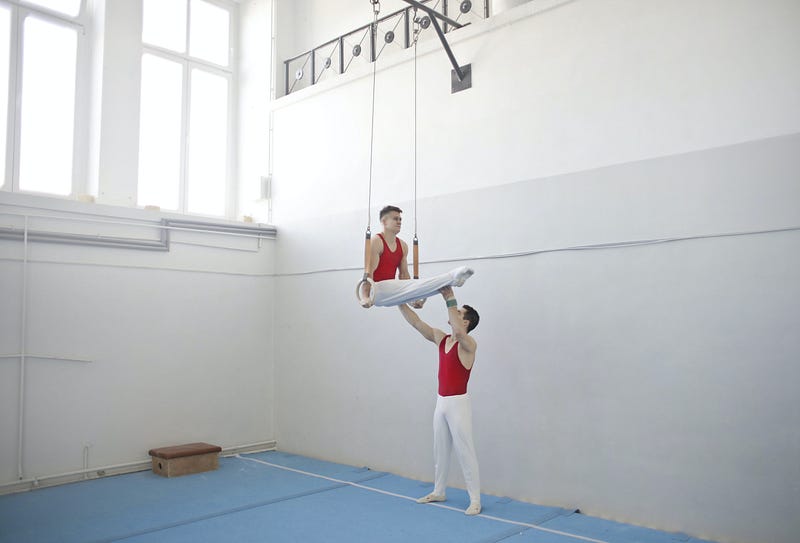
In a developmental event, there are clearly defined concrete goals. An instructor focuses on knowledge acquisition, retention, or skill development. Good developmental events have a method of measuring effectiveness such as a pre/post-test or a retrospective self-assessment. Experiential activities and other playful and methods of engagement are only included to the degree that they reinforce the content. It is very clear to participants what they are supposed to do with the content they are learning.
Examples
- Training and development workshops
- Certificate training events
- Connect activities paired with lecture, reflection, and discussion
The leader might say
“I want us to do a one-day workshop on conflict resolution tactics.”
“I want our team members to be certified in Crucial Conversations.”
“We need to improve our skills in collaborative project management.”
What success looks like
Employees can perform the skills they learned in the developmental workshop.
Participants think or act differently on a specific topic as a result of the event.
There is a tangible impact that lasts a significant time after the event.
4. Overcome

The final category is overcome. There is an actual problem to solve and the leader knows it is crucial to fix it. Time and budget are secondary to the end result. They will pay what is necessary and take as long as is required to fix the problem. A pre-packaged workshop or developmental training is not enough to repair what’s broken. There is not a clear or identifiable path to flourishing.
Examples
- Multi-session team coaching
- Customized consulting packages
- Multi-event programs or cohorts
- May involve focus groups, assessments, interviews of team members, and multiple methodologies to achieve the desired result
The leader might say
“I’ve already tried x, y, and z, but nothing has worked. I don’t know what to do, or how to fix it.”
“Our work culture is toxic. We need significant time and effort to make this a healthy place for employees.”
“I don’t care what it costs or how long it takes, we are going to make sure this is an organization where people feel like they belong.”
What success looks like
Participants engage through the process over the long haul.
When new employees hear stories of the past, they find it hard to believe the organization was ever that dysfunctional.
Slow, painful, messy, authentic progress.
Conclusion
Before planning your next team event, determine which of these four categories best fits what you want to accomplish. Set realistic goals appropriate to the desired outcome. And do not believe that you can dramatically improve all the skills of teamwork, leadership, problem-solving, communication, collaboration, empathy, and trust with a quick connect event or ride on the zipline.
Reflection and Action
Before planning your next team event ask yourself:
- What are we trying to accomplish?
- How much time do we have?
- Is it realistic to believe we can accomplish (insert goal) in the time we have used (insert method)?
- The event is successful if…?
- Do I need a vendor or should I plan this event in-house?
- Is my vendor qualified and experienced in the outcome category we need?
Want more great WorkPlay content? Check out the full list here: https://medium.com/@workplaysol/list/workplay-6c35f770ca24
Join Medium here, and I get some extra pennies. Click the new tip button, and I get 200 more of those copper Abe Lincolns.


