
Four Misunderstandings of Journalism
What most people don’t know or understand about being a reporter
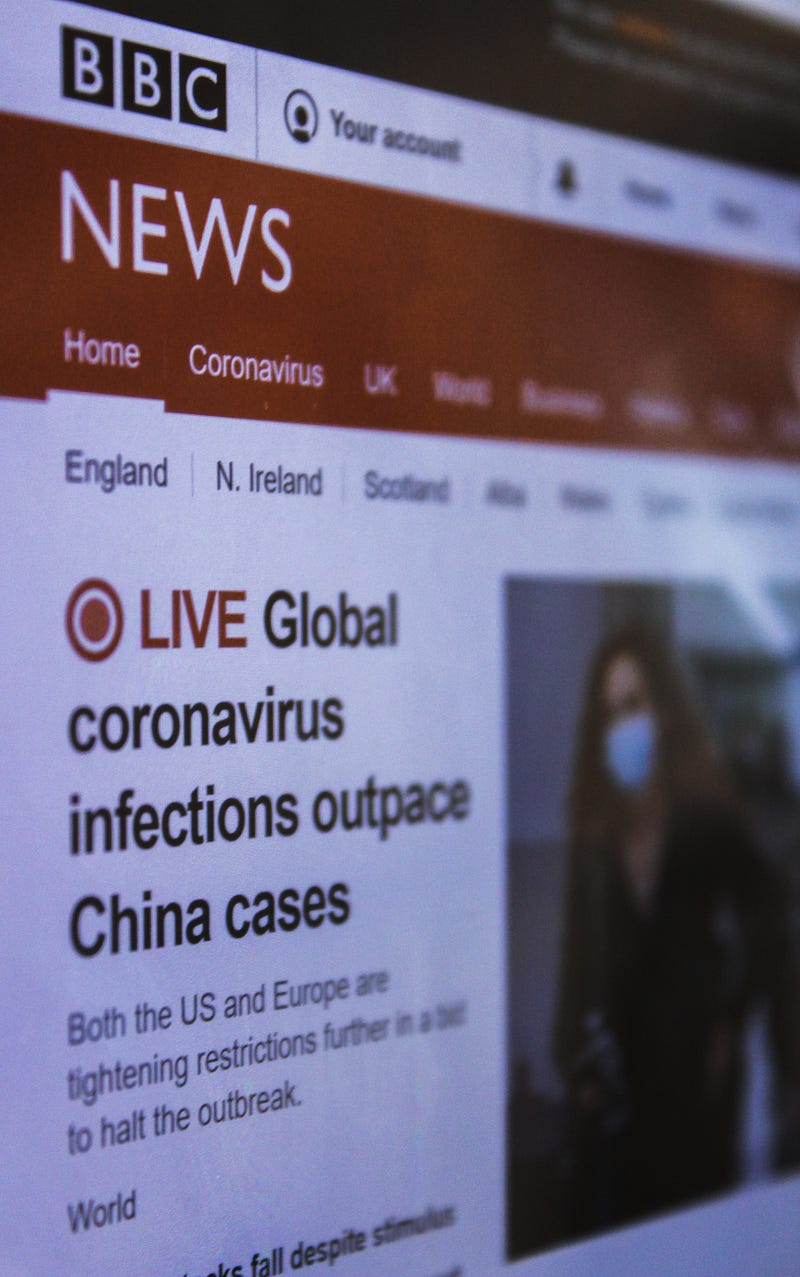
When I first ventured into the world of reporting, I came up against many people who didn’t understand the role, but were constantly “educating” me on what I was to write or say.
It was a vertical learning curve.
Fortunately, I had excellent on-the-ground teachers beyond the classroom. I took my job seriously and was determined to be as ethical as possible. Of course, I always ran into people who seemed to know more about my career than I did.
So here are some essential aspects of being a professional journalist:
Misunderstanding #1. It Is Always Glamorous and Exciting
While it can be fun and exciting, more often than not is just working like any other profession. Sometimes you get to attend glamorous events as a professional that you wouldn’t otherwise. But try sitting in the school board meeting? Is that glamorous or exciting? Sometimes you need four cups of coffee to get you through reading complicated documents, searching for hours through electoral rolls, tramping through muddy fields, or cold calling recently bereaved parents.
Misunderstanding #2 Journalism Is Dying
No, journalism is not dying; it’s alive and well and evolving. It is as important today as it has ever been. How many times a day do you or others quote a news story? The digital age has changed and expanded the options of how people consume news. As a journalist, I’m responsible for gathering and organizing material and distributing the finished (and verified) pieces through various formats and mediums, which used to be limited to television, radio, and print.
Misunderstanding #3 Journalism Is Sensationalist. Yes, William Randolph Hearst did coin the term “if it bleeds, it leads” in a vacuum. It’s true sensational headlines lead. But this is because it’s a big story. The lead stories are important and often chaotic. Think about a natural disaster, a terrible accident, or a mass shooting get coverage.
Misunderstanding #4 Anyone Who Claims the Title Can Be Considered a Journalist
This is a big pet peeve of mine. People spend years learning the craft and get advanced degrees in journalism. The “citizen journalist” has a place, but only as someone possibly reporting an event. These formally are called stringers. They pass on info from a location to a newspaper or TV news site. Many citizen journalists do an excellent job of documenting events as they happen. This was especially apparent with the “boots on the ground” reporting of citizen journalists and bloggers in the aftermath of Hurricane Katrina.
However, having an iPhone, a Twitter account, and a blog doesn’t automatically make you a journalist. For the profession to have any sort of legitimacy and credibility and for the title to have meaning, we must have some sort of basic standards.
By all means, you call yourself a blogger or content creator. But journalism is more complex and requires specific skill sets and knowledge. Although there are many challenges news media has faced and not all journalists are ethical and unbiased, I would not trust untrained people to report news accurately. Untrained citizen journalists cannot properly fill the void.