
Four Helpful Tips For Teaching Children To Do Chores
Your child will learn valuable skills that will help them throughout their lives
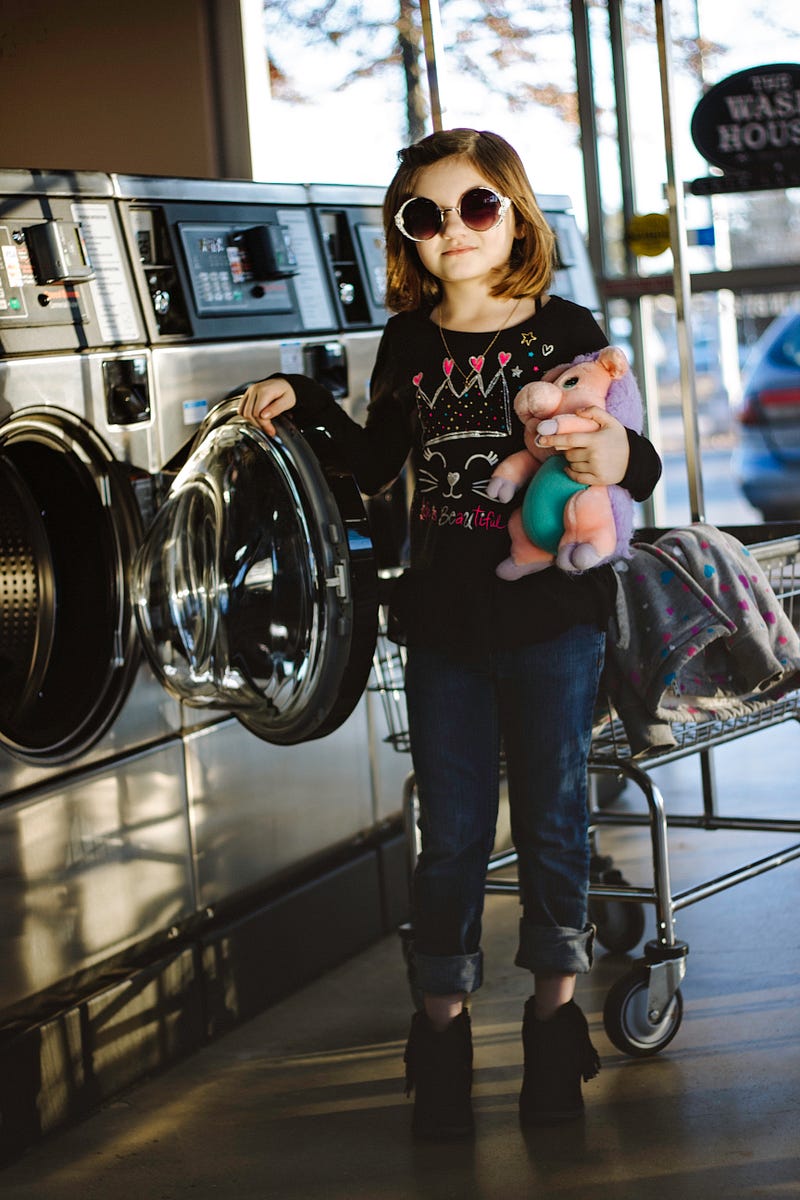
Now that your kids are isolated at home, this is a great time to teach them about chores. Your child will learn valuable skills they can carry through to their adulthood and which will also teach them responsibility, independence, and boost their self-confidence.
Also, it may come in useful should you get very busy or feel out of sorts and can’t do your usual chores around the home. Trust me when I tell you, I had to learn this the hard way. I can recall being sick for a few days once when my kids were much younger, and I couldn’t do anything in the home. I sat there, wishing they could help me out. So I vowed from that day forward to teach my children as much as possible and to stop doing it all for them. Honesty, without these skills, how will they fare in the world as adults?
Exposure
Show them what you do on a daily basis and how you do it all. How you cook, clean, do laundry, and throw out the trash from an early age. Use your common sense and keep it age-appropriate, especially around chemicals. You should never let children use cleaning products that are dangerous or might harm them, for example, bleach. Ditto with cooking; children can help you prepare by measuring foodstuffs and opening cans, but should not use sharp utensils or the stove until they’re old enough to be safe doing.
Take Small Steps
Explain to your child that everyone must do their part in the home. When your child is young, start teaching him or her in baby steps. Begin with having him or her picking up their toys after play. Also, show them how to put their dishes and cups on the counter when they’re finished eating. If you get some resistance, try using a sticker reward chart with your child. Every time a chore is complete, your child earns a sticker. When he or she gets an agreed-upon number of stickers, you can give a special reward. This also helps your child associate reward with effort or work.
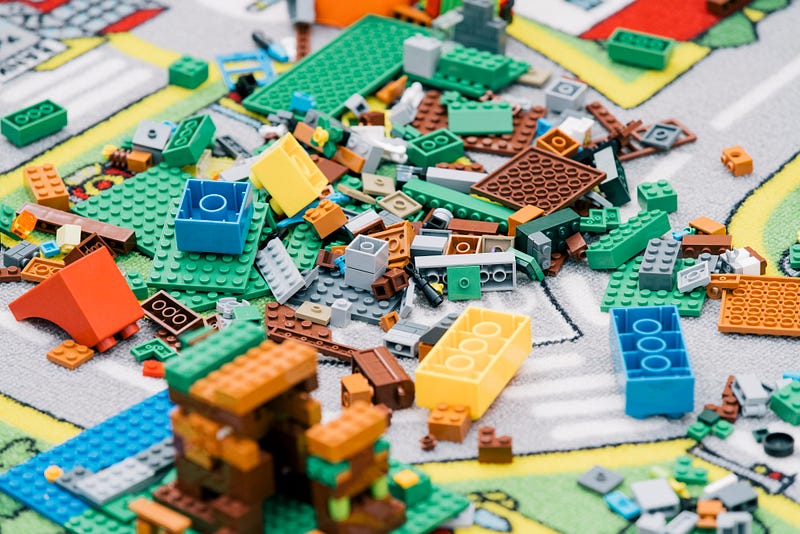
Explain to your child that everyone must do their part in the home. When your child is young, start teaching him or her in baby steps. Begin with having him or her picking up their toys after play.
Assign Chores
Once you feel your child is old enough, like in third or fourth grade, start assigning weekly chores. Use your discretion when deciding, especially if your child has special needs. Start with easy chores, such as wiping down the table after a meal, or setting it beforehand. Then once your child gets older, give tougher jobs that you know he or she can handle, such as washing dishes, doing laundry, or putting out the trash. Keep a list of chores on the fridge where it's seen daily with everyone’s name and what chores they need to do.
Remember to Praise and encourage
Every time your child completes their chores, give praise for a job well done, whether or not they do it the way you like it. Keep reminding your child that you are all part of a family and that everyone must do their part to keep the home clean and tidy.
Thank you for reading; until next time 😊
Peggy Haven is a freelance writer, mom, and coffee drinker. One of these is her great love — guesses?


