Poetry
Foundlings of Humanity
Are they jetsam?
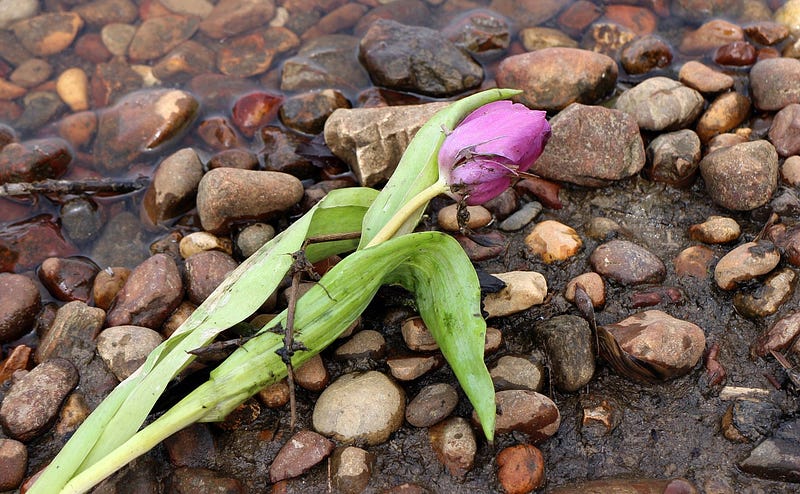
Leftovers Discards Life overboard
Logic at the helm Fools at the tiller
Hypocrisy Rides the waves Moral sanctitude Leaves in its wake The lonely ripples Of non-fiction
Oppression Compression Impressions Depression No possessions Regression Aggression
A world of lives Unthere
Trying to find a here
Safe harbors Elude them Exclude them
The noise of the pandemic drowns out the lives of millions trying to survive, still attempting to cross the Mediterranean from Africa, women tortured and raped in Syrian prisons, then rejected by society for the crime of allowing it to happen.
Refugees and displaced persons in their millions.
And what of the Palestinians?
I hear you. I won’t forget you.
First listen to Naia Alkhouri, now living in New Zealand, singing Just Want Home which she wrote when she was 12 years old, speaking to both the Syria war and to the personal situation of missing her grandmother who was in Damascus.
“RUNNING” Refugee Song (World Refugee Project)
Let us pray.