
Forty-one percent of Amphibian Species on the Brink of Extinction
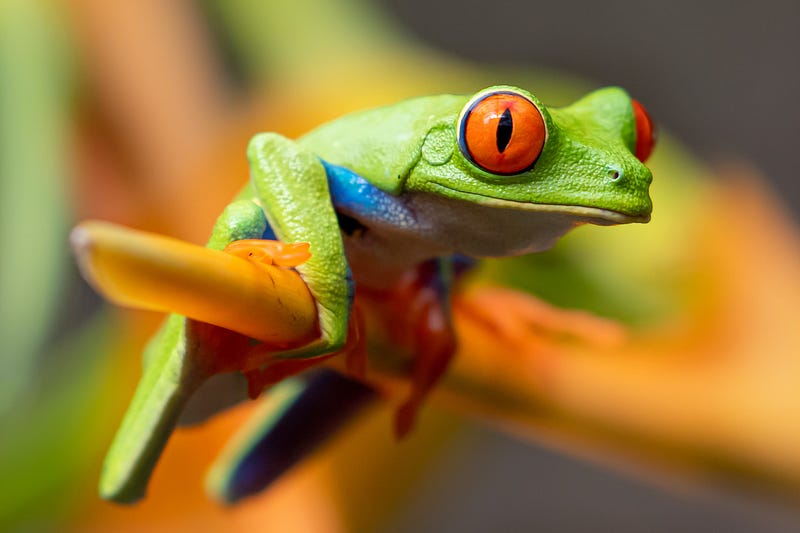
Amphibians, the diverse and fascinating creatures that bridge the gap between aquatic and terrestrial ecosystems, face an alarming crisis. According to a recent study, 41 percent of amphibian species are now threatened with extinction.
I find these numbers stunning and wonder why this isn’t on the front pages of the world’s newspapers. These ominous data should wake policymakers up to the urgent need for global conservation efforts to protect these vital and often overlooked members of our planet’s biodiversity. The Second Global Amphibian Assessment was published in Nature, which evaluated 8,011 species for the International Union for Conservation of Nature Red List of Threatened Species.
Silent Decline
Amphibians have long been recognized as environmental indicators due to their sensitivity to changes in habitat quality and water pollution. In the Netherlands, we see the near extinction of the “geelbuikvuurpad” (Bombina variegata); my country still has just about 250. Amphibians serve as a barometer for the health of our ecosystems. But, the recent assessment reveals that this barometer shows a grim forecast.
It makes me sad to report about their decline. Since I was a child, I have always liked frogs, in their wide variety in sizes, shapes, and colors, and above all, their facial expressions. Choosing out of all animal species in the world a frog as the face of the animals of Sesame Street shows that I must not be alone in my sympathy for these Kermit-like animals.
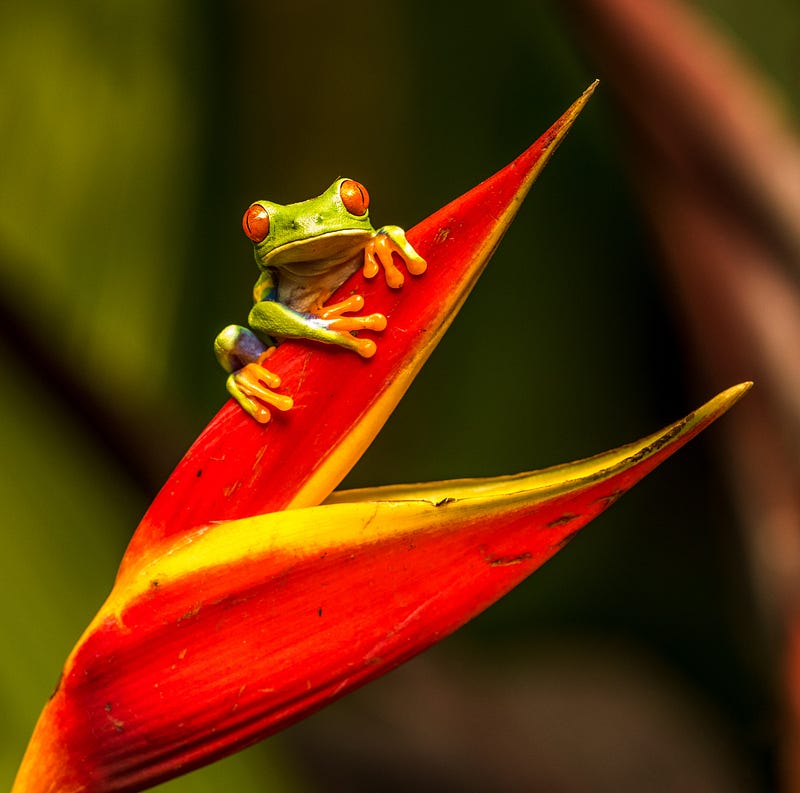
But many frogs are among the 41 percent of species now at risk, together with toads and salamanders — the charismatic icons of amphibian diversity. These creatures are crucial in controlling insect populations, serving as prey for larger animals, and contributing to ecosystem nutrient cycling. Their decline could set off a chain reaction with far-reaching consequences.
Habitat Loss and Climate Change
Habitat loss remains a primary driver behind the decline of amphibian populations. As human activities continue infringing upon natural habitats, these animals have fewer places to live. Wetlands are essential for amphibians, providing breeding grounds and shelter. The destruction of wetlands exacerbates their vulnerability.
Just look at the climate change-related disasters you see in the news through the eyes of a frog, and you can see how the climate crisis compounds the challenges amphibians face. Rising temperatures can disrupt breeding patterns, alter migration routes, and impact the availability of crucial resources.
Amphibians, with their sensitive skin and physiological dependencies on temperature and moisture, are especially vulnerable to these changes. Add to this the impact of wildfires, sea-level rise, or drought, and you get a grim picture of the many challenges amphibians have to deal with on an increasingly hostile planet.
The Chytrid Fungus
One of the most significant threats to amphibians is the chytrid fungus Batrachochytrium dendrobatidis (Bd). This pathogen has caused devastating declines and extinctions in amphibian populations worldwide. Bd infects the skin of amphibians, interfering with their ability to respire and leading to death.
Efforts are underway to combat the chytrid fungus, including developing antifungal treatments for affected populations and conducting surveys to identify disease hotspots. However, the battle against this deadly pathogen is ongoing.
Global Conservation Efforts
Conservationists and researchers worldwide are rallying to save amphibians from the brink of extinction. Initiatives are being undertaken to protect and restore their habitats, create captive breeding programs for endangered species, and raise awareness about the importance of amphibians in ecosystems.
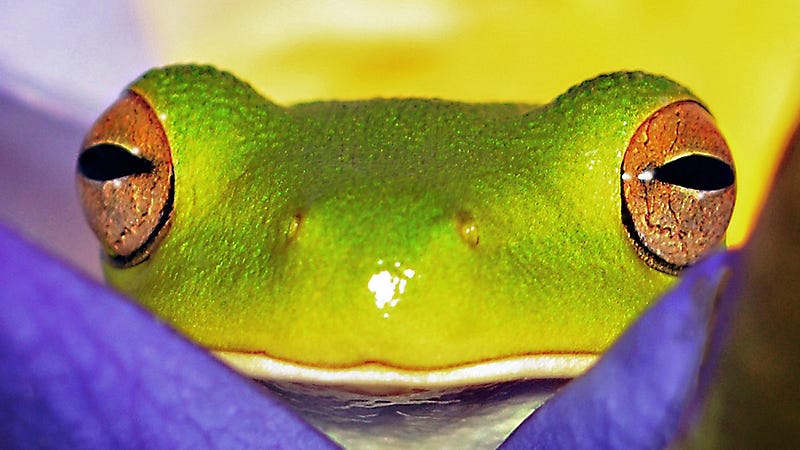
Efforts to reduce pollution, conserve wetlands, and mitigate climate change also play a vital role in securing the future of amphibians. International collaboration is essential, as amphibians know no borders, and their conservation requires a coordinated, global response.
The planet’s biodiversity crisis
The plight of amphibians serves as a stark reminder of the broader biodiversity crisis our planet faces and a warning sign of environmental degradation that affects us all. The fate of the threatened species is inextricably linked to our ability to preserve the delicate balance of nature and, in doing so, safeguard our own future.
What are your thoughts about biodiversity loss?
Email subscription via:
A year ago, on October 5, 2022, I published: