avatarDoug Fraley

Summary

The article discusses the concept of fortresses as protective but ultimately limiting constructs that individuals build around themselves, both physically and psychologically, to shield from external threats but which also confine and restrict their experiences and growth.

Abstract

The text explores the human tendency to create fortresses, which can be physical, emotional, intellectual, psychological, or ideological, as a means of protection from the outside world. These fortresses are seen as a defense mechanism for the ego, providing a sense of stability and independence amidst the constant change of reality. However, the article argues that these structures require continuous effort to maintain and often conflict with the evolving nature of reality. The author suggests that while these fortresses may offer comfort, they also imprison us, preventing the experience of true freedom and joy. The article posits that the dissolution of these fortresses is both inevitable, as reality incessantly wears away at them, and beneficial, as it allows individuals to reclaim their life energy and embrace their inherent peace and wholeness.

Opinions

  • The author believes that fortresses, while providing a sense of security, are ultimately self-imposed prisons that limit our ability to experience life fully.
  • It is emphasized that the maintenance of these egoic fortresses drains significant life energy that could be better utilized if we were to let go of our defensive postures.
  • The article conveys that the dismantling of these fortresses is not only liberating but also a natural process that reality itself facilitates if we cease to resist it.
  • The author implies that the comfort derived from these fortresses is an illusion, as it comes at the expense of freedom and the potential for greater happiness.
  • The text suggests that our definitions of self, based on past experiences, are in constant conflict with the present moment and the fluidity of reality.
  • The author seems to advocate for a life lived without the constraints of these fortresses, allowing for a more authentic and peaceful existence.

Fortresses

Aliveness or security? You choose.
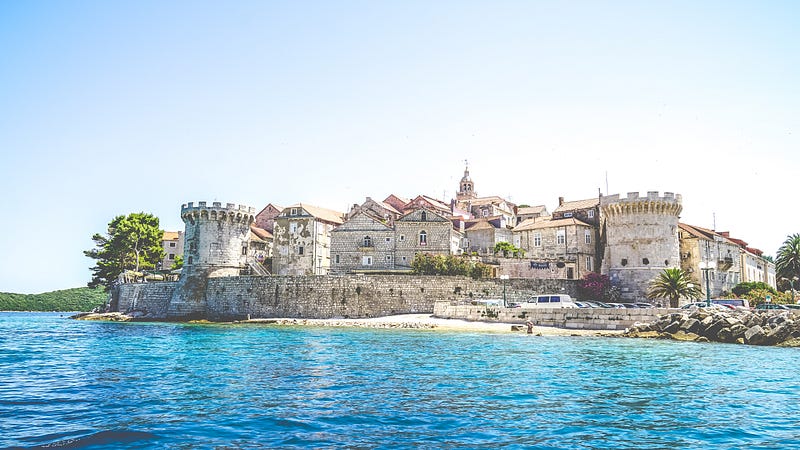
Photo by Hilthart Pedersen on Unsplash

We erect and occupy fortresses — be they physical, emotional, intellectual, psychological or ideological — to protect us from something outside their walls. And what are we protecting? Ourselves, which is to say our selves, our egos. Our egoic fortresses are the assembled constructs — collections of images, narratives and labels — that give us the impression of solidity, durability and independence from the flux of change that surrounds us. We hide in these redoubts in the hope of defining a realm of control within a vast sea in which we recognise we have none. We cower in them for comfort.

These bunkers of self-definition need constant maintenance to keep them from crumbling. The insistent flow of reality splashes against them and drags at their foundations incessantly. What else do we expect to happen when we try to set fixed positions in a reality that rushes, dancing and laughing, at and past it in perpetual renewal? Our tenets and definitions of self, based on past pain and pleasure, now frozen, cannot help but conflict with ever-evolving reality. Which do you think wins?

And reality is not winning against us. It is winning for us. For all fortresses are also prisons.

Do we not see that, however effective they are in keeping out the things that might cause us pain or discomfort, they are at least as effective at denying us access to much beyond the walls that would bring us delight? Our fortresses protect our comfort at the cost of our freedom. Avoiding exposure to that which we fear, we equally cut ourselves off from much for which we yearn.

Alas, we cannot have both untroubled comfort and the freedom to recognise our own peace and wholeness.

These fortresses are a simple matter (not the same as an easy task) to bring down. The world itself, the collision of reality against the fortress walls, will do the job, if only we will stop shoring them back up. A further happy truth: our repair of these walls has been soaking up untold amounts of our life energy, and all of that becomes available to us if we can relax and release from our defense of them.

Visit me at www.doug-fraley.com.

Life
Self Improvement
Spirituality
Psychology
Nonfiction
Recommended from ReadMedium