
Forming a Food Heritage
Creating a culture, for those of us who didn’t inherit one
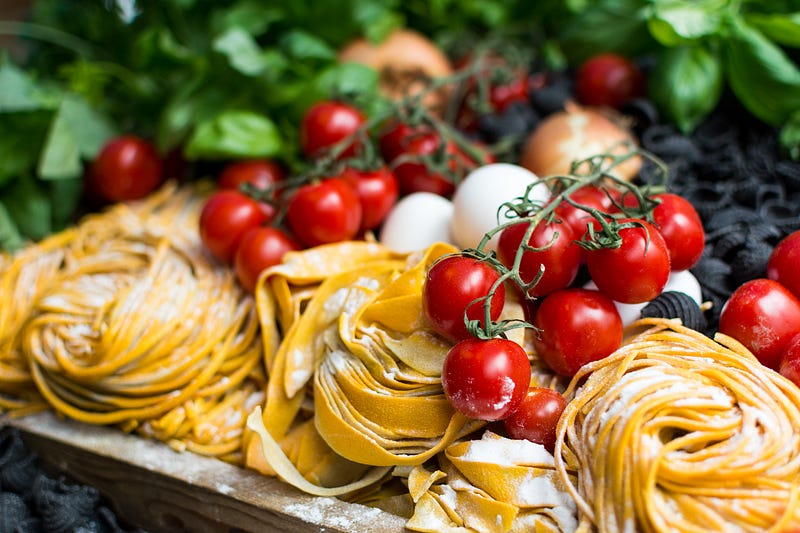
When I was a kid, I liked to tell people I was Italian, because I thought it made me seem cooler than I actually was.
Truth be told, while I come from a closely-knit family with many beloved and enduring traditions, I don’t really have a cultural heritage. I’m pretty much a mutt, through and through.
I’m 25% Italian (hence the exaggeration), 25% German, and 50% mish-mash of most other European countries
None of these percentages are enough to instill in me a sense of belonging, of completeness, like I’m part of something bigger and older than me.
My mom is a fabulous cook by her own right, but we don’t really have a plethora of favorite family recipes passed down for generations. I proudly possess index cards, cookbooks, and binders that once belonged to my Grandma Lambert, my namesake and the first person on either side of my family to go to college (Home Economics). She was a whiz in the kitchen, but none of her recipes really speak to a food culture per se, one that’s connected to a specific country.
Of course, I’m fortunate to have deeply-ingrained food memories from childhood that are strongly associated with family. I wouldn’t trade them for the world, but just like the kid pretending to be full-blooded Italian, I find myself envious of those with a food heritage associated with a country or region that they can embrace as their own.
It’s human nature to want to be part of something, isn’t it?
I realized recently that since I was not born into a food culture, I’m drawn to the vibrancy and meaning of everyone else’s. I adore holidays from other countries, and while I’m really not aiming for authenticity, I enjoy giving them a nod, in my own way.
I suppose I’m creating my own mish-mash food culture (to go along with my mish-mash heritage) one celebration at a time.
A calendar of holiday cuisines
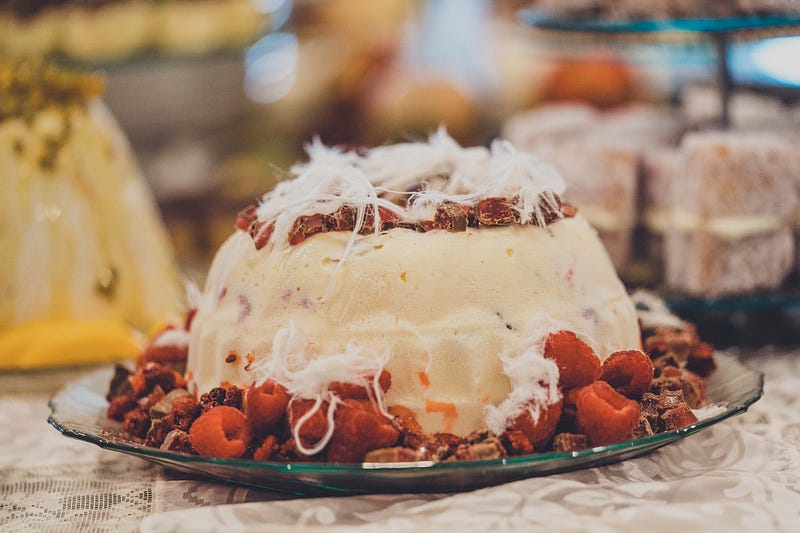
New Year’s is for sauerkraut and kielbasa, a nod to my German roots as well as my childhood. Long after she became vegetarian, my mom would make sauerkraut and pork for the rest of the family. These days, we veer from tradition by using turkey kielbasa, as we rarely eat pork or beef anymore.
Then the Slovenian holiday of Kurentovanje — marked by my first attempt at chicken paprikash this year, with imported paprika ordered specifically for the occasion. No Slovenian blood flows through my veins, but I have fallen in love with this festival and its worthy goal of chasing winter away.
St. Patrick’s Day follows, this year complete with potato boxty. With a last name like Dillon, we’d be remiss if we didn’t celebrate! Enchiladas mark Cinco de Mayo (though I will eventually succumb to my burning desire to make tamales from scratch!).
Warm weather is all about grilling (which stretches back to the cavemen, ancestry we all share!), starting on Memorial Day and driving on through to Labor Day, with Summer Solstice and the 4th of July in between.
We’re a bit obsessed with Halloween, rooted in the ancient Celtic festival of Samhain, and I traditionally put out quite a spread for whoever can join us on trick or treat night. The food most associated with Halloween for me, though, (aside from candy) is Deviled Beet Eggs. They’re basically what they sound like — beet-pickled hard-boiled eggs, by request of my husband who doesn’t even like beets, crafted into deviled eggs. They’re gorgeously magenta and just creepy enough for All Hallows’ Eve.
From Thanksgiving through to New Year’s again, it’s a whirlwind of cooking, baking, entertaining, visiting and celebrating. It’s dry-brined roast turkey with enough sides to feed an army. It’s a quiet pot of soup as we light the candles for the Winter Solstice. It’s dozens of cookies with origins in numerous countries to share and to serve at parties (and to wish we had fewer of when we’re still eating them in March!).
It’s Christmas brunch in our pajamas, smoked trout-topped potato latkes (honoring both Europe and Hanukkah) and mini frittatas with a pomegranate-champagne punch on the side. It’s a leisurely dinner, often vegetarian, and wassail with family later in the evening.
Someday, I’ll manage to get started early enough in the season to create a proper English pudding!
There are myriad other holidays I‘d like to add to the list, starting with Chinese New Year (which I’m ashamed we haven’t done yet since we have family members who are Chinese-American!) and Diwali, India’s festival of lights (in honor of my marvelous colleagues from India).
Celebrations make life better, after all, and when they’re shared, they connect us.
Is there such a thing as “American” cuisine?
“…not merely diverse but radically pluralistic, its roots exposed rather than buried even as they sprout in new directions” — Ruth Tobias
There are lots of us, here in the United States, aren’t there? Mutts, of various types, avidly seeking and embracing the cultures of other countries, whether they’re truly any part of our own heritage or not.
As Ruth Tobias notes, American food is a synthesis, brought about as immigrants “adapt their traditions and techniques to their adopted homeland and vice versa to create a new version of an old cuisine” or in some cases creating a new cuisine altogether.
(I understand, as does Tobias, that the term “American” as commonly used is innately flawed, given that the United States — despite what some would have us believe — is not the only country in North/Central/South America.)
Sometimes it feels as if it’s popular to look down our noses at the US of A, even for those of us who were born and raised here. It’s too new, roots are too shallow, traditions are obscured by the blending of cultures.
But Tobias describes “an American cuisine that’s not merely diverse but radically pluralistic, its roots exposed rather than buried even as they sprout in new directions”.
That’s a beautiful way of describing our melting pot, as home cooks and restauranteurs drive the evolution of the foods of their ancestors by incorporating the best of what’s around them.
And that’s a culture I can embrace!
“Pull up a chair. Take a taste. Come join us. Life is so endlessly delicious.” — Ruth Reichl
Want to stay in touch? Click here to sign up for my weekly newsletter.


