
Former and Current Ukrainian Intelligence Operatives Arrested on Suspicion of Working for FSB!
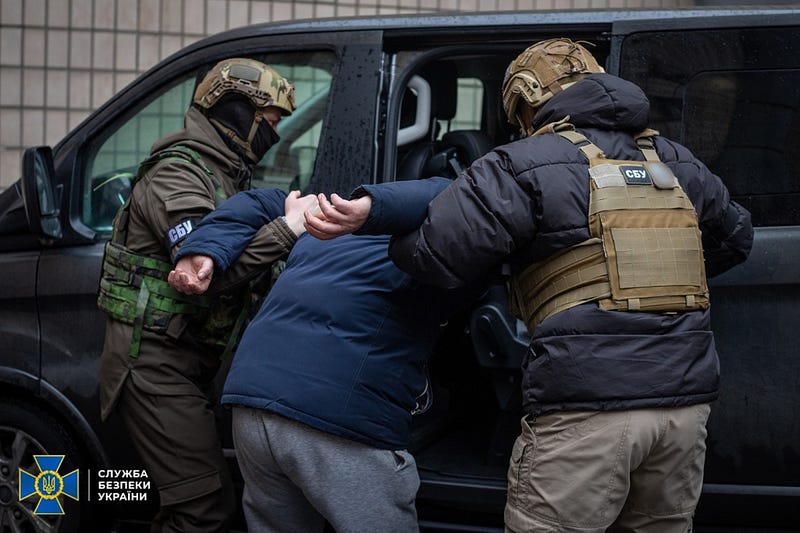
In a significant operation that highlights the shadow war beyond the visible conflict, the Security Service of Ukraine (SBU) has unveiled the dismantling of a network operating under the Federal Security Service of the Russian Federation (FSB). This network was not just any espionage ring; it was deeply entrenched within Ukraine itself, comprising both current and former members of Ukraine’s intelligence community. These operatives were actively engaged in transferring critical information to Russia, including the locations of Ukrainian military bases, details of Western arms transports, and the specifics of Ukraine’s strategic energy infrastructure.
The SBU’s crackdown, announced on February 6, led to the detention of five individuals. These were not low-level informants but significant players within the intelligence sector: members of the Main Intelligence Directorate of the Ukrainian Armed Forces (GUR), the Foreign Intelligence Service of Ukraine, and even an employee from a regional SBU department. The revelation of such high-level involvement underscores the deep penetration achieved by the FSB within Ukraine’s security apparatus.
The operation’s disclosure sheds light on the dark tactics employed by the FSB, including threats of violence against the families of these operatives. This method of coercion points to a brutal strategy aimed at undermining Ukraine’s defenses from within. The suspects were reportedly coordinated by a common FSB handler residing in occupied Crimea, emphasizing the cross-border nature of this espionage effort.
A quick heads-up: Medium’s been tweaking its algorithms and it’s getting trickier for my stories to land in your feed. So, if you enjoy my work, please make some noise! Hit that clap button, light up the highlights, or drop a comment. Every interaction helps keep the stories flowing. Thanks for your support!
One of the more harrowing accounts involves a former operative from the Ukrainian Foreign Intelligence Service, who was turned by the FSB before Russia’s full-scale invasion. This individual was tasked with a particularly sensitive mission: to gather intelligence on the locations of Ukrainian military bases and, following February 24, 2022, the routes for foreign arms shipments into Ukraine. The operative didn’t stop there; he also provided the FSB with detailed information on the operational and security protocols of the Rivne and Khmelnytsky nuclear power plants. This intelligence was funneled to the FSB through a sophisticated network, utilizing a go-between who left Ukraine under the guise of volunteering abroad, ultimately reporting directly to an FSB resident.
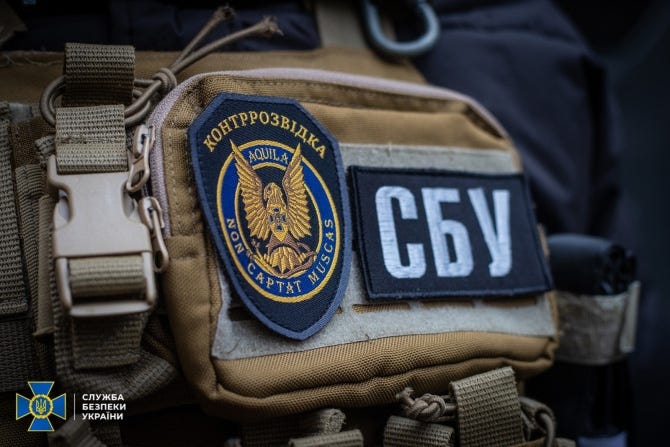
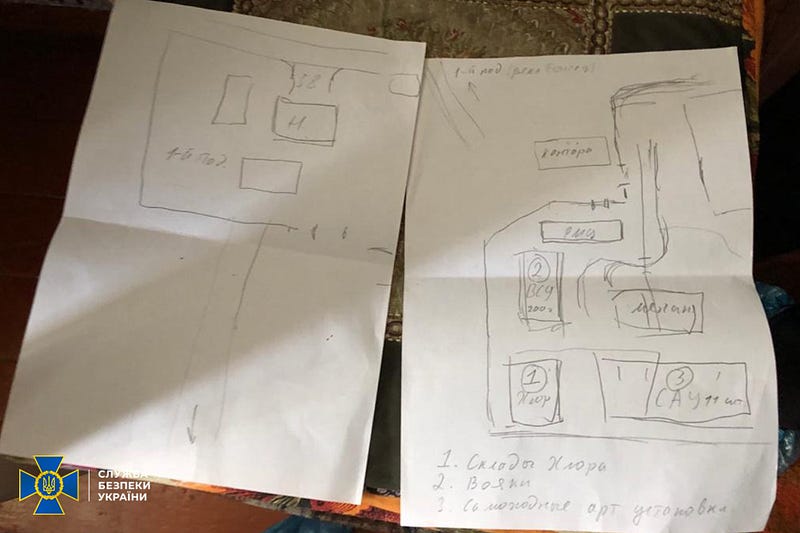
Additionally, another individual, previously affiliated with the GUR, was implicated in leaking personal data of Ukrainian defenders directly to Russia. Meanwhile, an SBU employee conducted reconnaissance for the occupiers, focusing on the geolocation of fortifications and engineering barriers near the strategic coastal region of Odessa.
The seriousness of these betrayals cannot be overstated, with the implicated individuals facing charges of treason under Article 111 of the Ukrainian Criminal Code, a crime punishable by life imprisonment. This stark outcome highlights the grave consequences of espionage and the rigorous efforts by Ukrainian authorities to safeguard national security.
This episode underscores not only the tangible threat of physical combat but also the intangible battle of wits, loyalty, and information that rages silently in the backdrop of the Ukraine-Russia war. The ongoing intelligence warfare is a testament to the complex dynamics of modern conflicts, where the front lines are not only on the battlefield but also within the corridors of power and the digital realm.
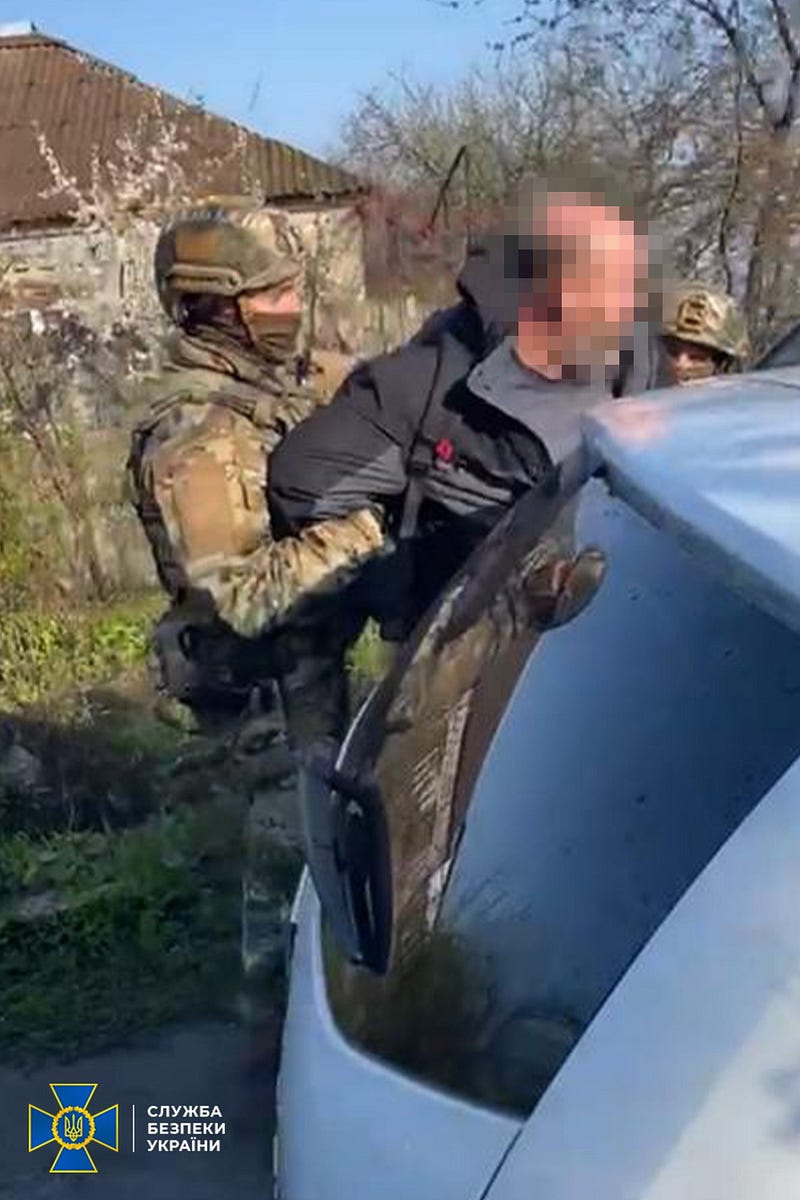
The recent revelations by the Security Service of Ukraine (SBU) underscore a critical aspect of modern warfare that often remains shrouded in secrecy: the intelligence war. While Ukraine’s counterintelligence efforts have successfully exposed a network of operatives working for the Federal Security Service of the Russian Federation (FSB), it is essential to recognize the formidable capabilities of both nations’ intelligence services. This incident not only highlights the strategic acumen of Ukraine’s intelligence community in unmasking espionage within its ranks but also reflects the persistent and sophisticated efforts by Russian intelligence to infiltrate and subvert from within.
The practice of penetrating and turning officers from the opposing side is a time-honored tactic in espionage, reflecting the ongoing game of cat and mouse between intelligence agencies. It is a testament to the skill and determination of Ukrainian intelligence that these breaches were detected and neutralized. However, it also serves as a stark reminder of the extensive reach and influence wielded by the FSB, an organization with deep roots in espionage and counterintelligence operations. The recruitment of current and former Ukrainian operatives by the FSB, leveraging threats against their families, underscores the high stakes of this shadow war, where human lives and national security are inextricably linked.
The operation involving members from the Main Intelligence Directorate of the Ukrainian Armed Forces (GUR), the Foreign Intelligence Service of Ukraine, and a regional SBU department, reveals the sophisticated strategies employed by Russian intelligence to gather crucial information. This includes the transmission of data on Ukrainian military bases, Western arms supplies, and the operational details of nuclear power plants. Such intelligence is invaluable for strategic planning and could potentially compromise Ukraine’s defensive efforts and its allies’ support.
The intricate methods of communication and information transfer, involving intermediaries and digital data sticks passed through contraband routes, highlight the complex operational tactics developed by espionage networks. These methods are designed to evade detection and protect the identities of those involved, making counterespionage efforts all the more challenging.
This episode illustrates the ongoing and relentless nature of the intelligence war, where victories are often silent and unseen but no less significant. The arrest and prosecution of these operatives under charges of treason reflect the serious implications of their actions, not just for their own lives but for the security and stability of Ukraine. It is a clear signal to other potential traitors of the grave consequences of espionage against their nation.
The dynamic of intelligence warfare demands constant vigilance and adaptation. As Ukraine continues to bolster its counterintelligence capabilities, the challenge remains to stay one step ahead of infiltration attempts by foreign intelligence services. This ongoing battle is not unique to the Ukraine-Russia conflict but is a universal challenge faced by nations worldwide. It underscores the importance of robust security measures, continuous surveillance, and the cultivation of loyalty within the ranks of national security agencies.
In conclusion, while the SBU’s recent operation highlights the effectiveness of Ukraine’s intelligence community in countering Russian espionage, it also serves as a reminder of the sophisticated and relentless nature of modern intelligence warfare. Both Ukraine and Russia possess formidable intelligence capabilities, and the struggle to protect national secrets and ensure internal security is an ongoing and ever-evolving battle. As we delve deeper into the strategic implications of these intelligence operations, it becomes clear that the war extends far beyond the physical battlefield, into the realms of information, loyalty, and the human psyche.