
Forbes: Adobe Starting The Trend Of Recognizing The Stars Of The Creator Economy Changing The World
The Emergence Of The Creator Economy
Unless you were hiding in a cave the last couple of years, you’ve probably noticed how traditional norms in advertising, marketing and content creation are being challenged and transformed by neo-creators. They utilize a slew of social media and other online channels, offering products, services and content appealing to consumers that yearn for differentiated experiences, values and identity.
A visible acknowledgment of the role this ecosystem is playing in changing the world came recently, when Adobe announced its inaugural “ Creators To Watch “ list, both celebrating these rising stars and presenting a platform for them to continue their groundbreaking work. I hope this marks the start of a trend. Let’s discuss more about the importance of the creator economy and why more companies should recognize these world-changing stars.
Traditionally, content creation was relegated to large companies because of the need for expensive tools and limited market access. The creative process was restrictive, without room for freedom or experimentation.
But thanks to advancements in technology and a change in the mindset of consumers and businesses, all of that is changing. There are many reasons behind the proliferation of the creator economy, but in my view, two are the most significant:
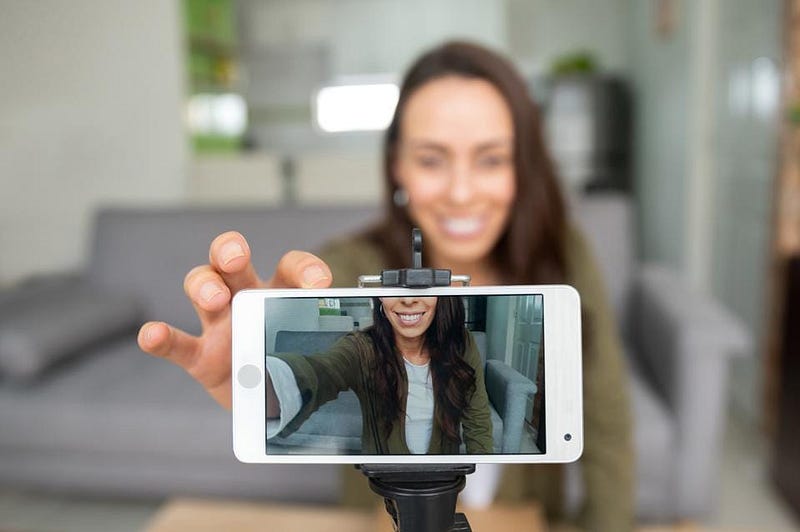
1. Democratization of creative tools. Advancements in computing have allowed consumer/prosumer PCs and laptops to be used for creation. High-performance computers and tools for video production and other visual arts are now easily accessible. You only need a simple smartphone with a decent camera to create YouTube or TikTok videos, or creative photography.
2. Democratization of marketing and business channels for easy monetization, such as social media channels and the web. Consumers are open to exploring this new world and are ready to spend money on products that allow them to express their identity and individuality.
Both of these have liberated the creative world, and the creator economy is exploding. While market size estimates vary based on different ideas of what the creator economy includes, NeoReach Influencer Marketing Hub claims that it reached a market size of $104 billion in May 2021. And the recently published Adobe “ Future Of Creativity “ study reported more than 303 million global content creators in 2022, more than 165 million of whom joined in the last two years. According to the study, “one in four people are contributing to online spaces, reshaping the future of work, social causes and mental health.” They are driven not just by profit but by their passion, a sense of purpose, socioeconomic reasons and others.
Creators like those on Adobe’s “Creators To Watch 2022” list are entrepreneurs, small-business owners, hobbyists and other ordinary people with ordinary means achieving extraordinary heights. For example, Justina Blakeney runs a home decor business selling products designed with Adobe Express and promoted through Instagram. Tejas Hullur crates his Tiktok videos though Adobe Premier and markets them through his social media channels. Of course, Adobe highlights creators who use Adobe products, but many other companies provide powerful, even professional-grade creative tools at similar price points, such as iMovie, Canva, Visme, Pinnacle Studio, Final Cut Pro, Da Vinci Resolve and others.
Supporting The Creator Economy
The web, mainly social media platforms, has opened the floodgates for creative people to reach customers and monetize their creations. Instagram, YouTube, TikTok and Facebook have become mainstream platforms for influencers to reach their audience. Audiences not only get information and consume content on these platforms but directly engage with creators. Creator webpages and online marketplaces have significantly lowered the cost and complexity of setting up sales channels.
During the pandemic, when people were stuck in their homes and unable to go to stores, the creator economy flourished and drastically changed consumer behavior. That behavior continues even as restrictions are being removed.
This creator ecosystem is great for the global economy. According to the Adobe 2022 study, 17% of creators were business owners, while 39% aspired to become business owners one day. Many creators are already earning either a part-time or full-time income. According to an Oxford Economics study, YouTube’s creator ecosystem alone supported 425,000 full-time equivalent (FTE) jobs in the U.S. in 2021. If this trend continues, it will not only create more jobs; I believe it will also increase overall mental health since, as the saying goes, “If you get a job you love, you’ll never work a day in your life.”
Many Millennials and Gen-Zs have become part of this ecosystem, as creators, consumers or both. HubSpot’s 2022 Consumer Trends Report found that 38% of Millennials and 30% of Gen-Z considered themselves content creators. Many major brands support these creators through sponsorships, making creators their brand ambassadors and even their sales channels in some cases. I expect that to increase in the coming years, especially with technology, creativity tools and market channels now reaching much further into China, India and various nations in Africa.
I highly recommend major brands and businesses embrace this creator ecosystem. Unlike celebrities, these creators represent regular consumers, expressing genuine experiences and passions. Companies can use content creators to develop a trusting relationship with consumers by collaborating and supporting them and their causes. The industry should also further empower this ecosystem with even better tools, as well as making existing tools more accessible.
Finally, I think recognizing the emerging stars of this economy and celebrating their successes will encourage even more creators to take the plunge and explore creative and artistic pursuits in new ways. So I think Adobe’s step in launching the annual “Creators to Watch” is a commendable way to help nurture this emerging ecosystem that is set to change the world. How can your company engage with and acknowledge the new wave of creators?
To read articles like this and get an up-to-date analysis of the latest mobile and tech industry news, sign-up for our monthly newsletter at TantraAnalyst.com/Newsletter, or listen to our Tantra’s Mantra podcast.
Originally published at https://www.forbes.com.


