
PHOTO ESSAY
For the Love of Clocks
Time-telling the old-fashioned way
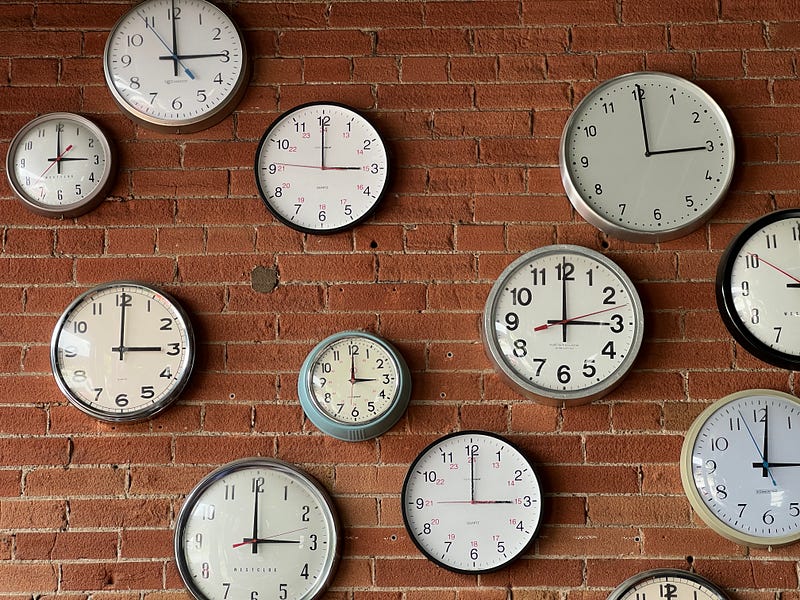
If you’re older than 40, recall the telling time drill:
There are two “hands,” the little hand, the big hand…
Telling time was no easy process.
Seniors today have to draw a clock to test their mental acuity. For most, that seems unreasonable, as there aren’t many analog clocks around.
While many young children are digital wizards, some wouldn’t recognize an analog clock any better than they’d know who Frank Sinatra was.
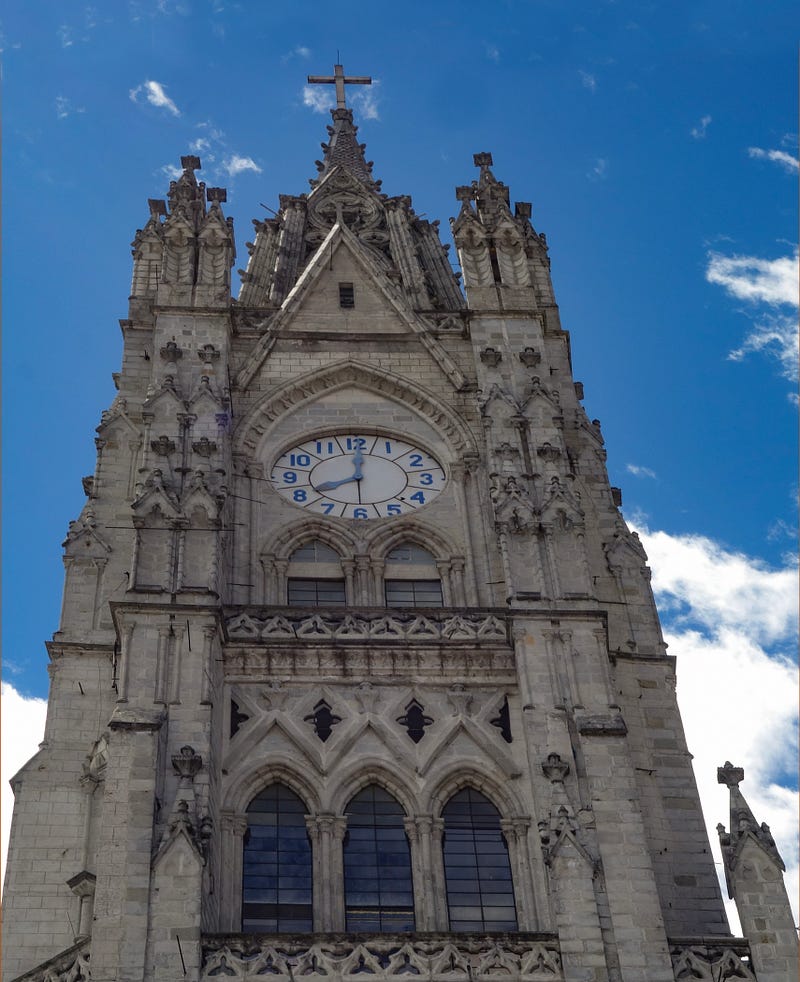
Digital has been around for decades, yet Big Ben analogs are still hanging around.
A photography clock set that’s tic-tocking includes photographs with a multitude of stories.
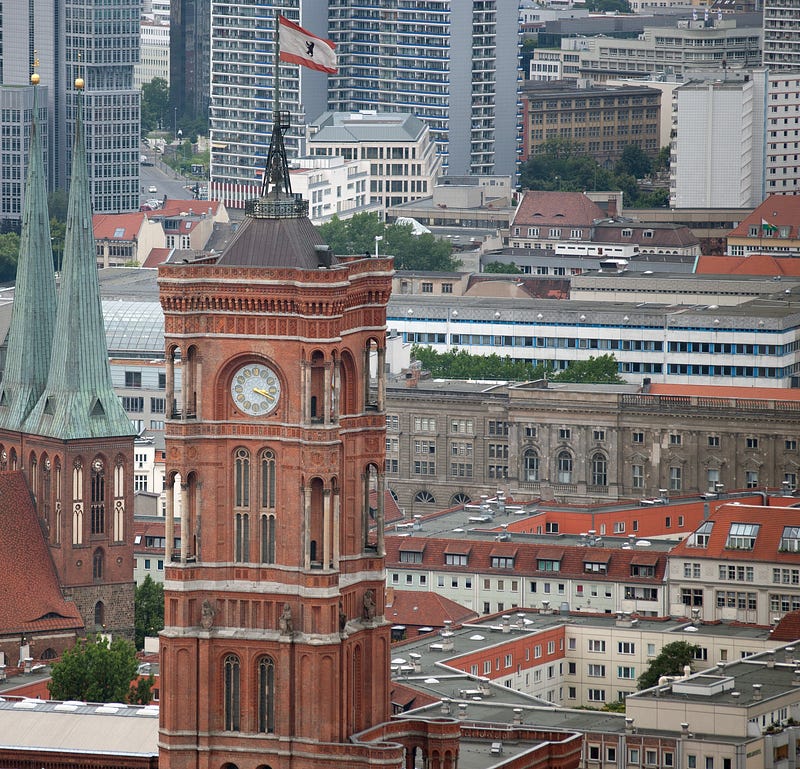
They’re big and beautiful pieces of nostalgia that seemingly never go away on city streets all around the globe. They can be focal points of city skylines.
People peering adoringly at rustic pieces reveals why they are so slow to disappear.
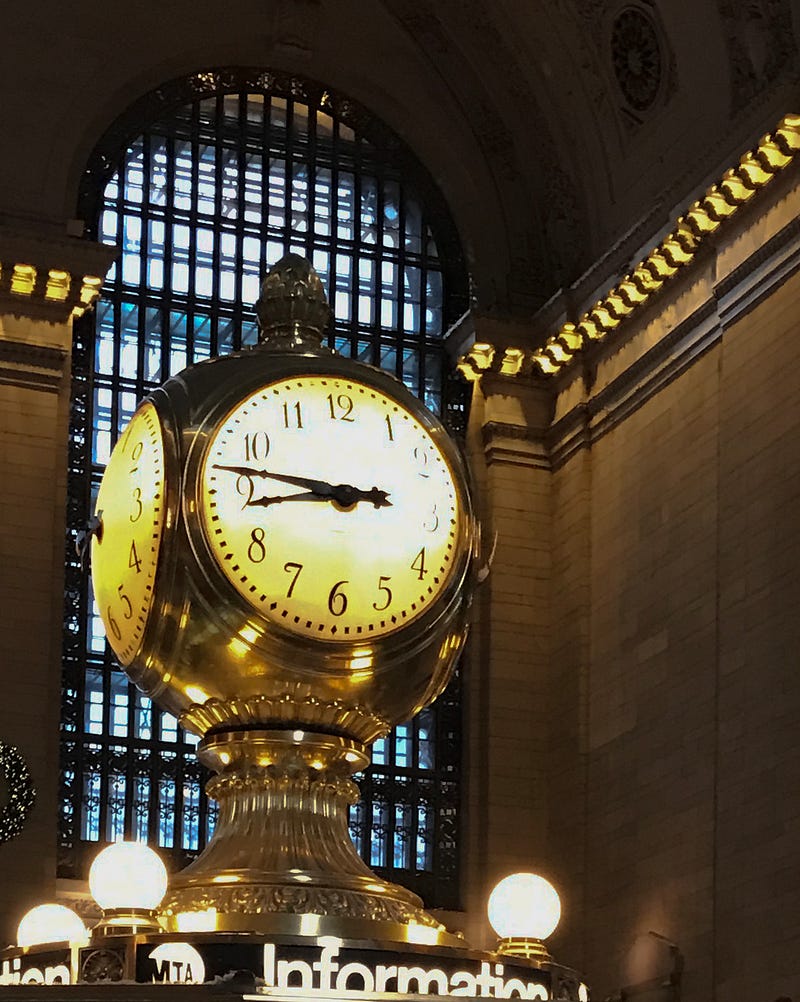
While analogs are rare at airports, which strive for the latest in modernity, at many train stations analogs are permanent fixtures.
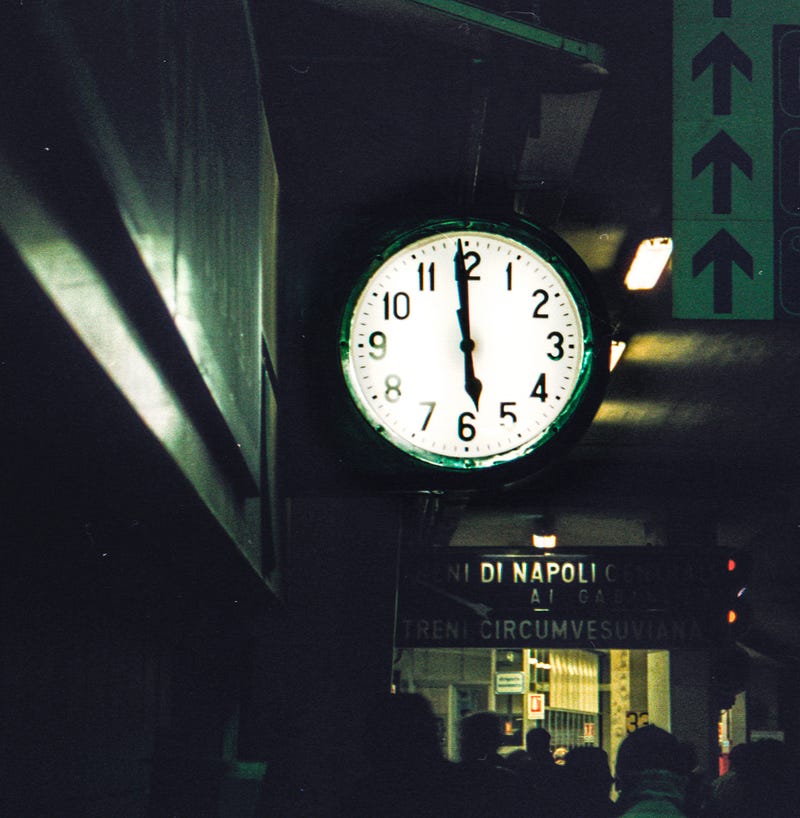
You won’t see many of these normal analogs at the train stations anymore because they just weren’t fancy enough to make the preservation cut.
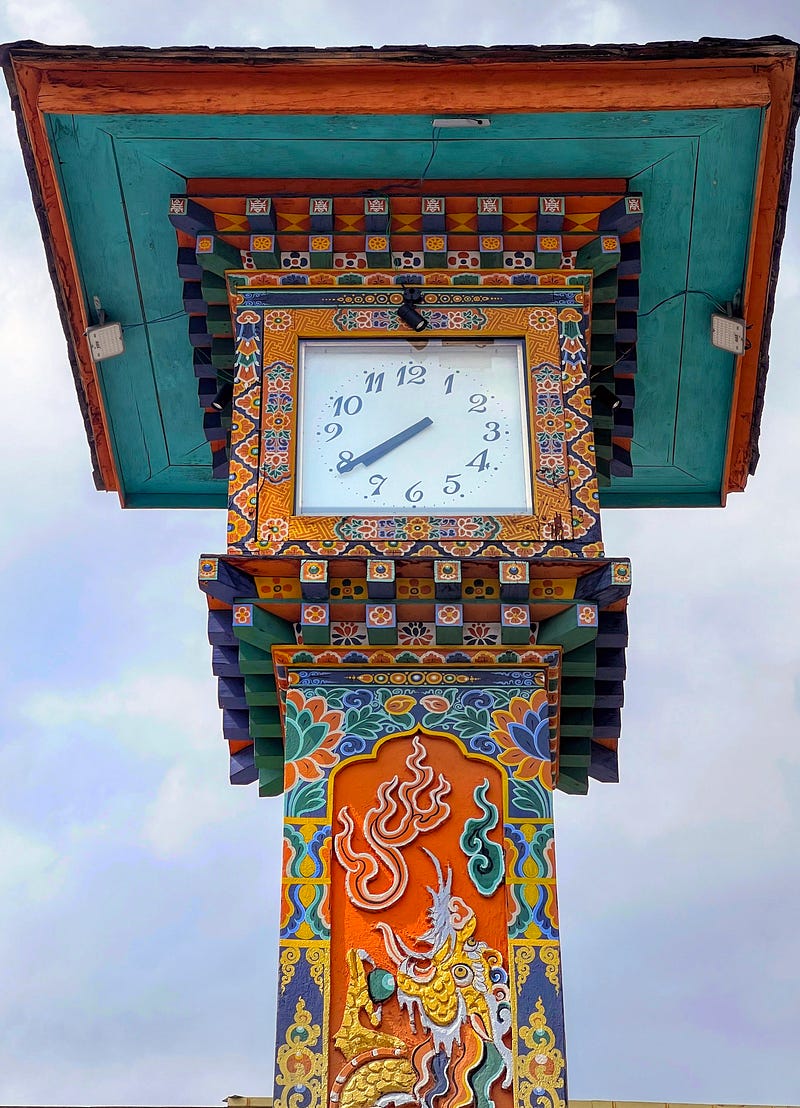
The tiny land-locked country of Bhutan in Asia employs a dragon as its theme, an attempt to keep out any evil from diminishing a high happiness quotient. Representations of the fire-breathing animal are seen all over the country, including Thimphu, a picturesque city containing a clock tower in the town square.

An added analog clock at this 1-hour cleaner has Bambi’s rear end whipping the big hand forward.

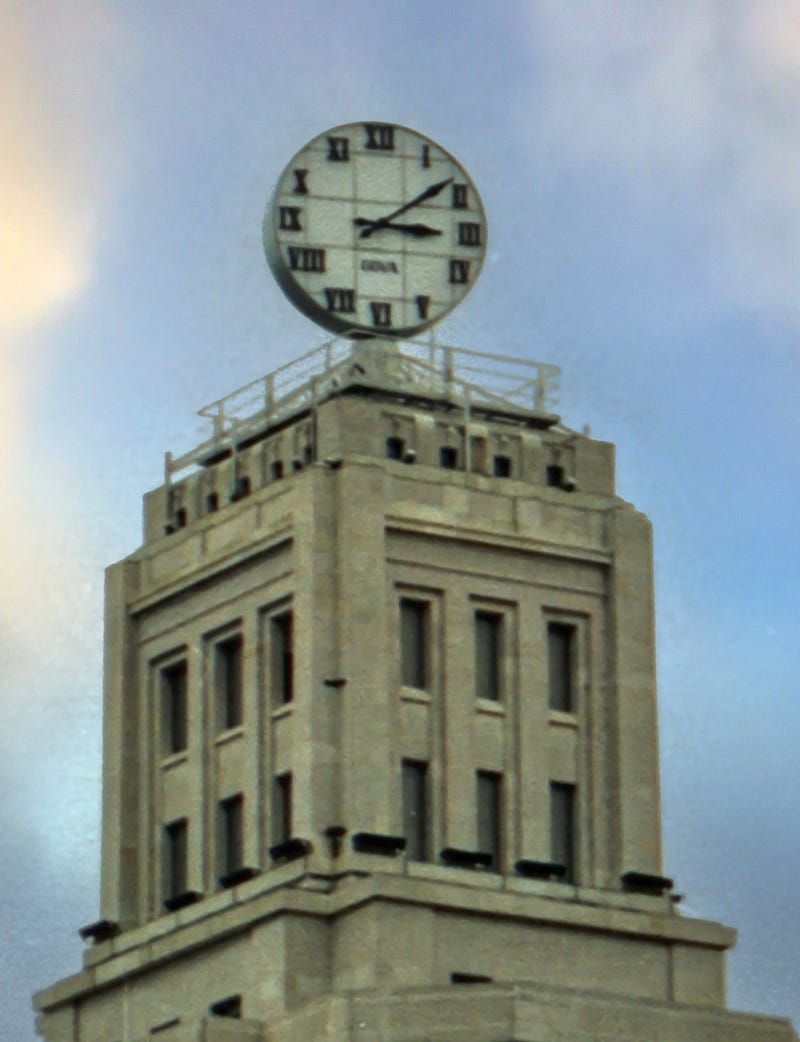
In some cities, dramatic clocks rise high in the sky.
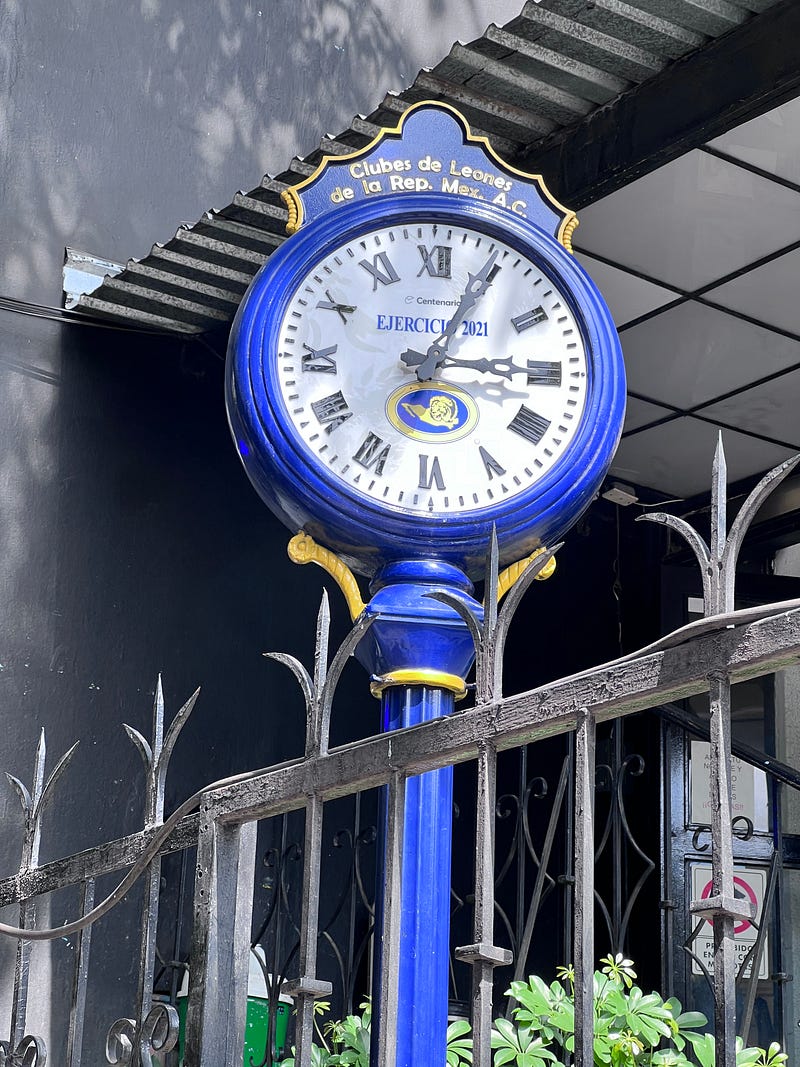
Roman numerals affixed to the clock’s face up the ante for complexity. With these numerals replacing normal numbers, the clock becomes a puzzle of early Western civilization. The digits of these numerals went from being used for tally sticks used by shepherds to count their cattle to numbers on a clock.
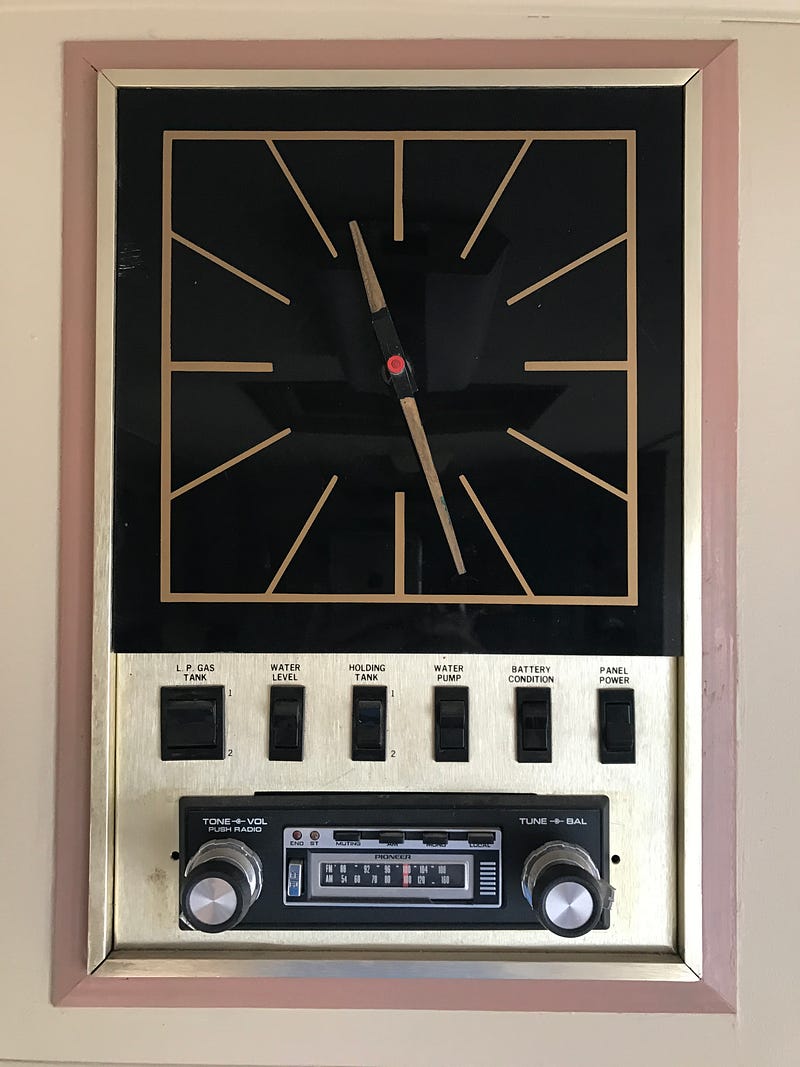
Preceding the clock-radio were a clock and a radio.
Some analog clocks contain only simple lines extending from the perimeter of a rectangle or the circumference of a circle, lines that mark where numbers are supposed to be, creating a clock that has one counting the marks to calculate the time.
Rigorous thought for many.
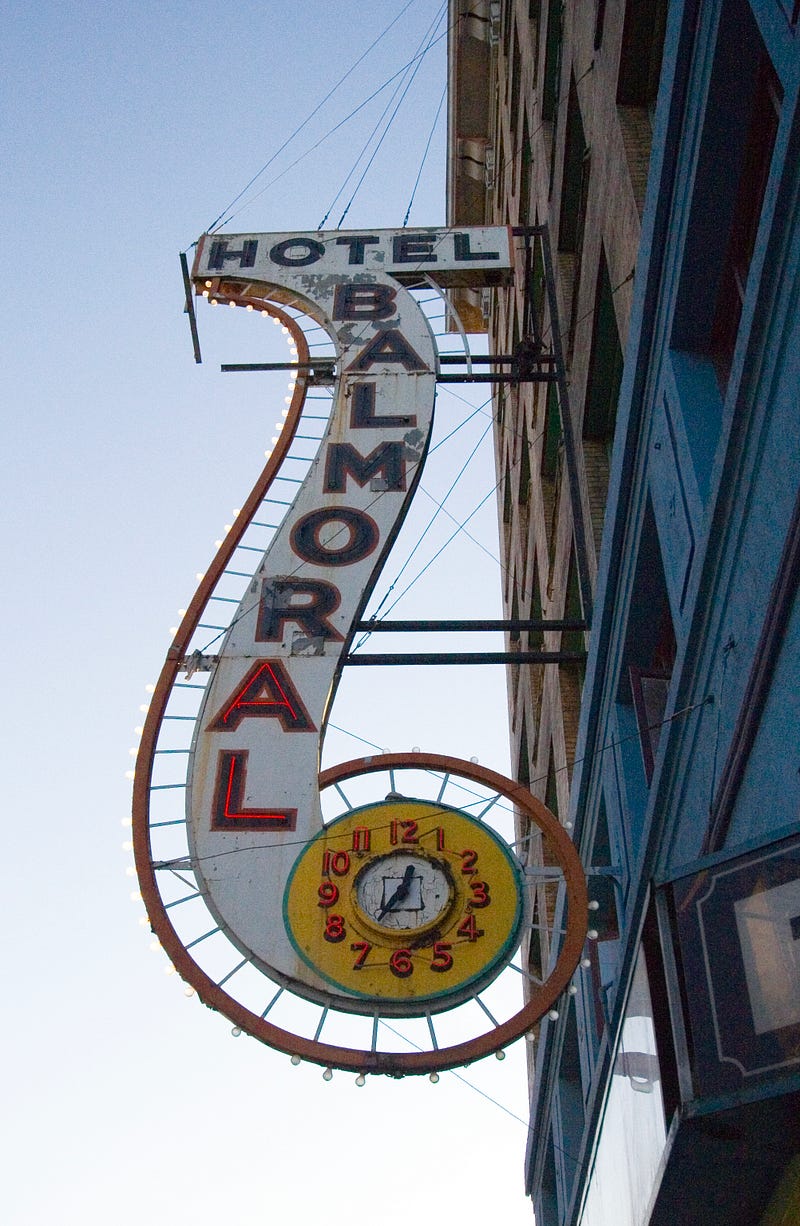
Easily more readable, clocks with neon numbers at one time were not uncommon, as they were easy to see in the dark.
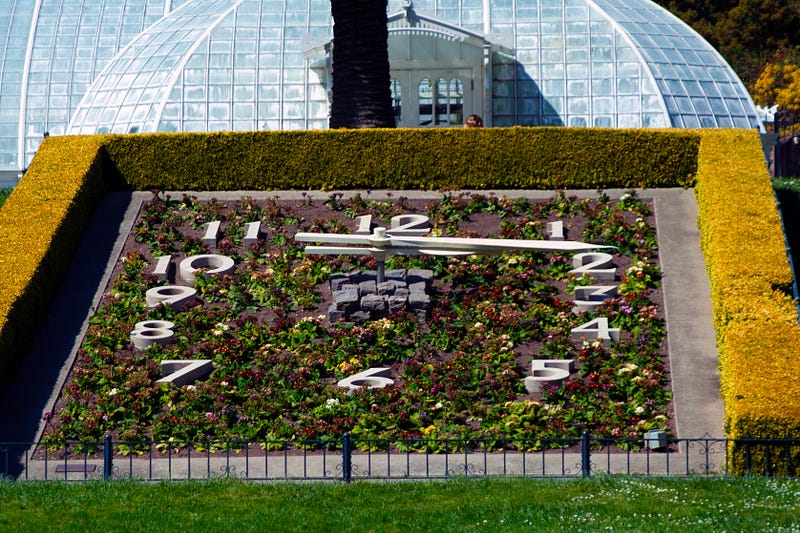
Clocks embedded into the ground as gardens work well in a park. Perfection in a botanical sense would only be had if the numbers were plants and not plastic.
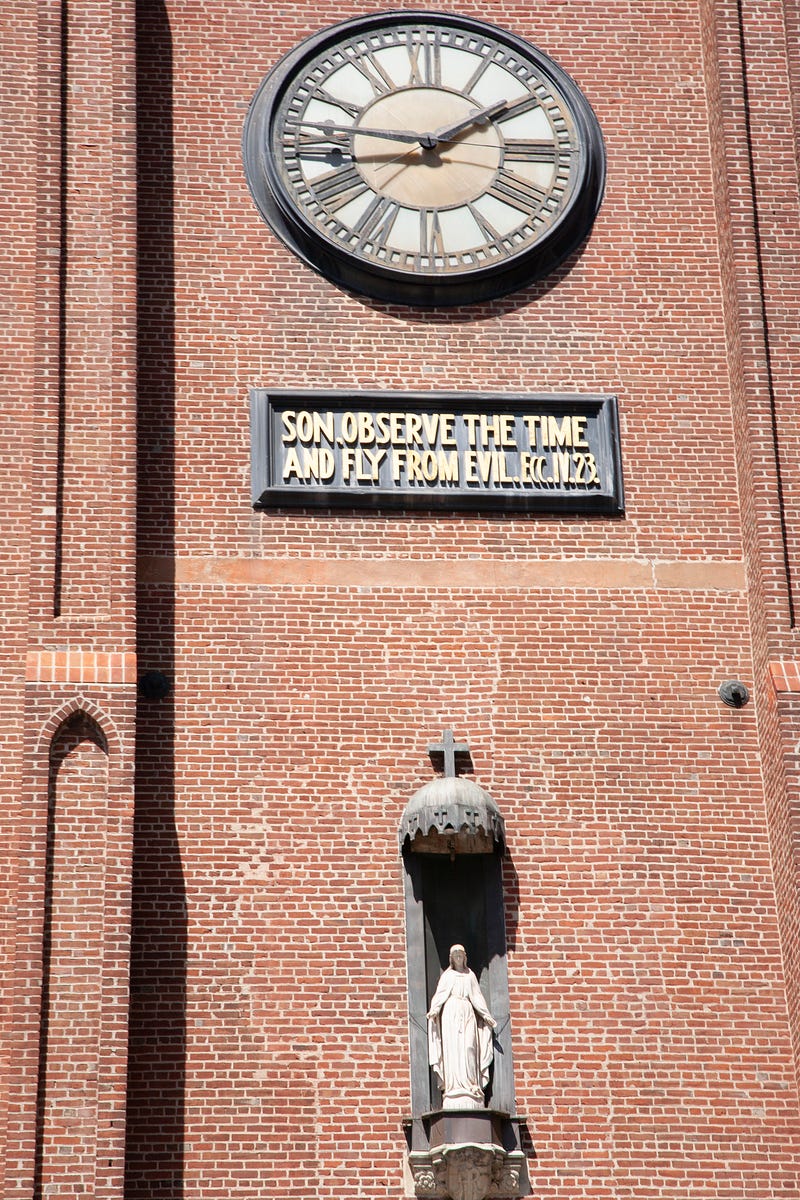
Clocks used for religious messages are rare, but when observed, educate one on the biblical perils of time.
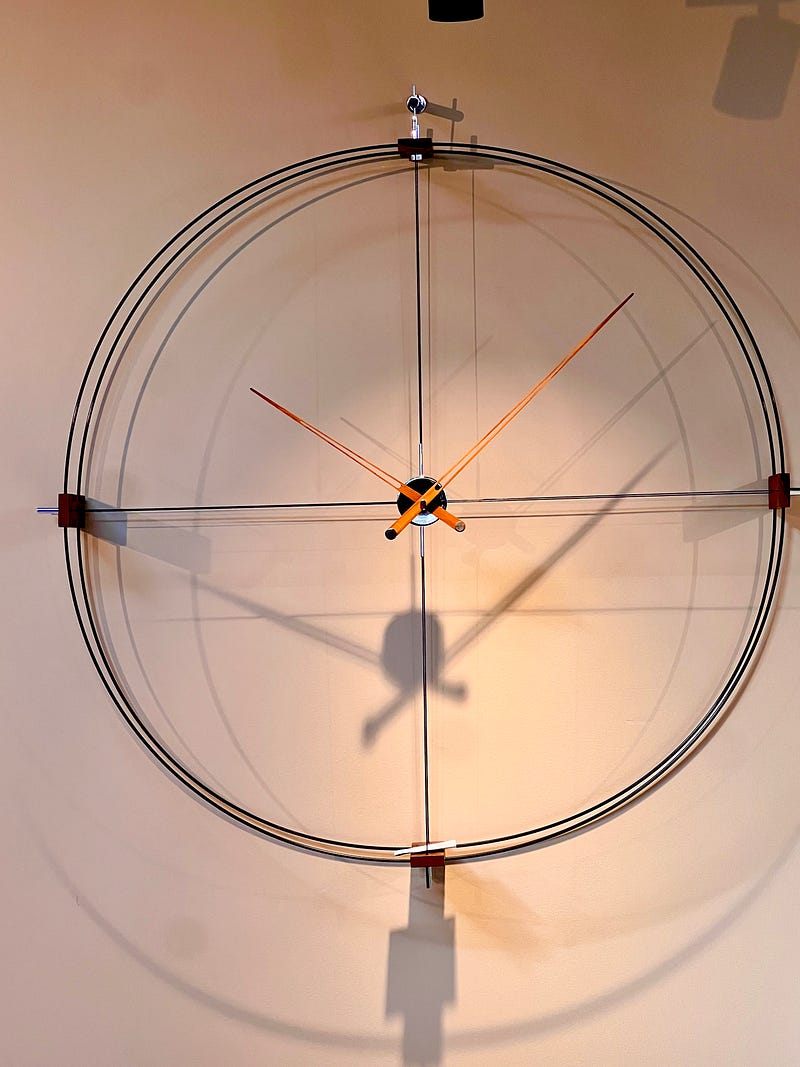
Just because analog clocks have disappeared as the primary way to determine time, doesn’t mean they are gone forever. They have returned as postmodernism design in the 2020s.
Since time is of the essence, timepieces, including analog clocks are necessary for life. Clocks of all varieties have been modernized over the course of history.
The analog clock represents a lifetime of progress, as the changes in the ways to tell time will continue on into the future.
Another “For the Love of” photo essay at: