
Foodie Culture: Exploring Culinary Trends and Influencers
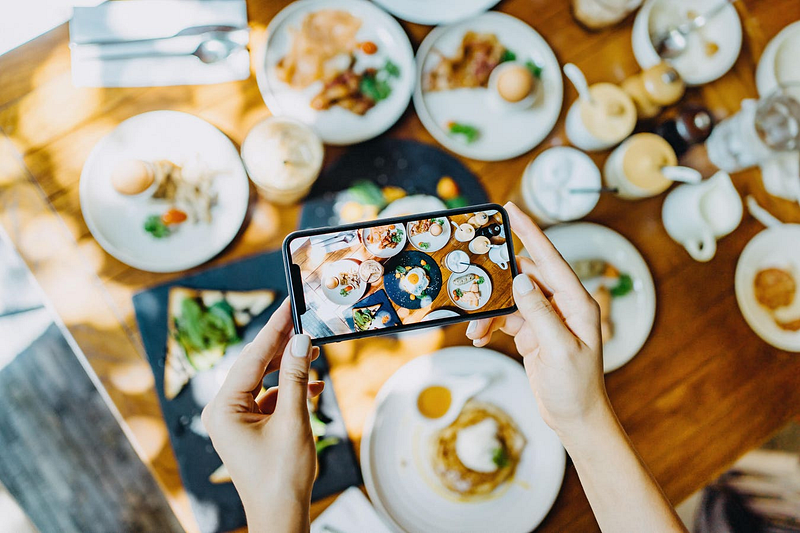
In recent years, a culinary revolution has taken place, transforming food from a basic necessity into a cultural phenomenon. The rise of foodie culture has seen a proliferation of culinary trends, an explosion of food-related content on social media, and the emergence of influential food personalities. In this article, we delve into the factors driving the rise of foodie culture, explore current culinary trends, and examine the impact of food influencers on dining habits and consumer behavior.
The Evolution of Foodie Culture
Foodie culture has its roots in a growing appreciation for gastronomy, fueled by an increasing emphasis on food quality, sustainability, and authenticity. As consumers become more discerning about their dining choices, they seek out unique culinary experiences, artisanal ingredients, and authentic flavors. This shift has propelled food from the realm of sustenance to an art form, with foodies embracing experimentation, creativity, and exploration in their culinary pursuits.
Culinary Trends and Innovations
The world of foodie culture is characterized by a constant influx of culinary trends and innovations, driven by a desire for novelty and excitement. From avocado toast and cronuts to plant-based burgers and fusion cuisine, food trends capture the imagination of food enthusiasts and shape dining trends worldwide. Moreover, technological advancements have revolutionized the food industry, with innovations such as meal delivery services, food subscription boxes, and molecular gastronomy pushing the boundaries of culinary creativity.
The Influence of Social Media
Social media platforms like Instagram, TikTok, and YouTube have played a pivotal role in amplifying foodie culture and shaping dining trends. Food influencers, with their captivating food photography, engaging videos, and authentic storytelling, have amassed large followings and wield significant influence over consumer preferences and behavior. Through mouthwatering images, recipe tutorials, and restaurant reviews, food influencers inspire followers to discover new cuisines, try innovative recipes, and explore culinary destinations.
The Rise of Food Tourism
Food tourism has emerged as a prominent trend within foodie culture, with travelers seeking out destinations renowned for their culinary heritage and gastronomic delights. From street food markets in Bangkok to wine tours in Tuscany, food-centric travel experiences offer immersive opportunities to explore local cuisines, learn about culinary traditions, and connect with communities through shared meals. Food tourism not only stimulates local economies but also fosters cultural exchange and appreciation.
Challenges and Criticisms
While foodie culture celebrates culinary diversity and creativity, it also faces criticism for its focus on consumption, excess, and food elitism. Critics argue that foodie culture can perpetuate unrealistic standards of beauty and promote unhealthy eating habits, leading to issues such as food shaming and orthorexia. Moreover, concerns about cultural appropriation and sustainability have prompted discussions about ethical consumption and responsible food practices within the foodie community.
Conclusion
The rise of foodie culture has transformed the way we approach food, turning dining into a multisensory experience that engages all aspects of our senses and emotions. From culinary trends and innovations to the influence of social media and food tourism, foodie culture reflects our evolving relationship with food and the role it plays in shaping our identity and lifestyle. As food continues to captivate our imagination and connect us with others, foodie culture will remain a vibrant and influential force in the culinary landscape.