
Food Label Shopping.
To Shop for health means reading the ingredient content on the food label.
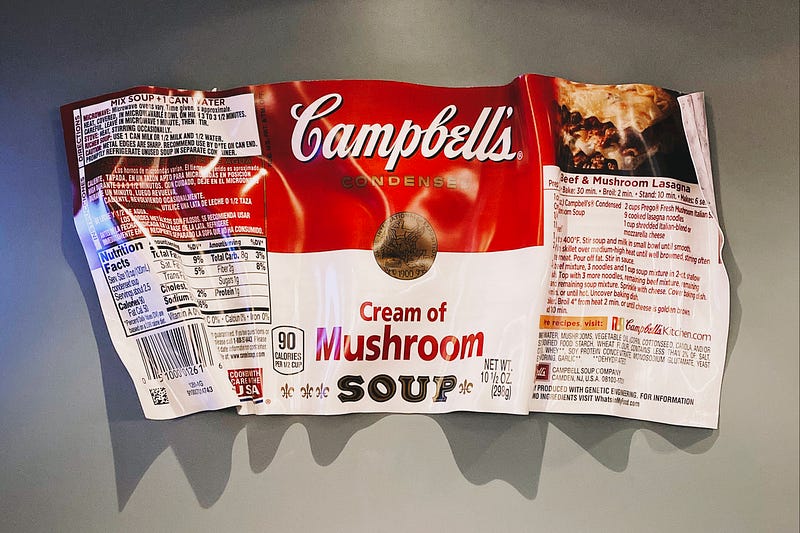
The Good, The Bad, and the Risky; Should we eat these foods? Let us learn what Research Experts say about cooking oils;
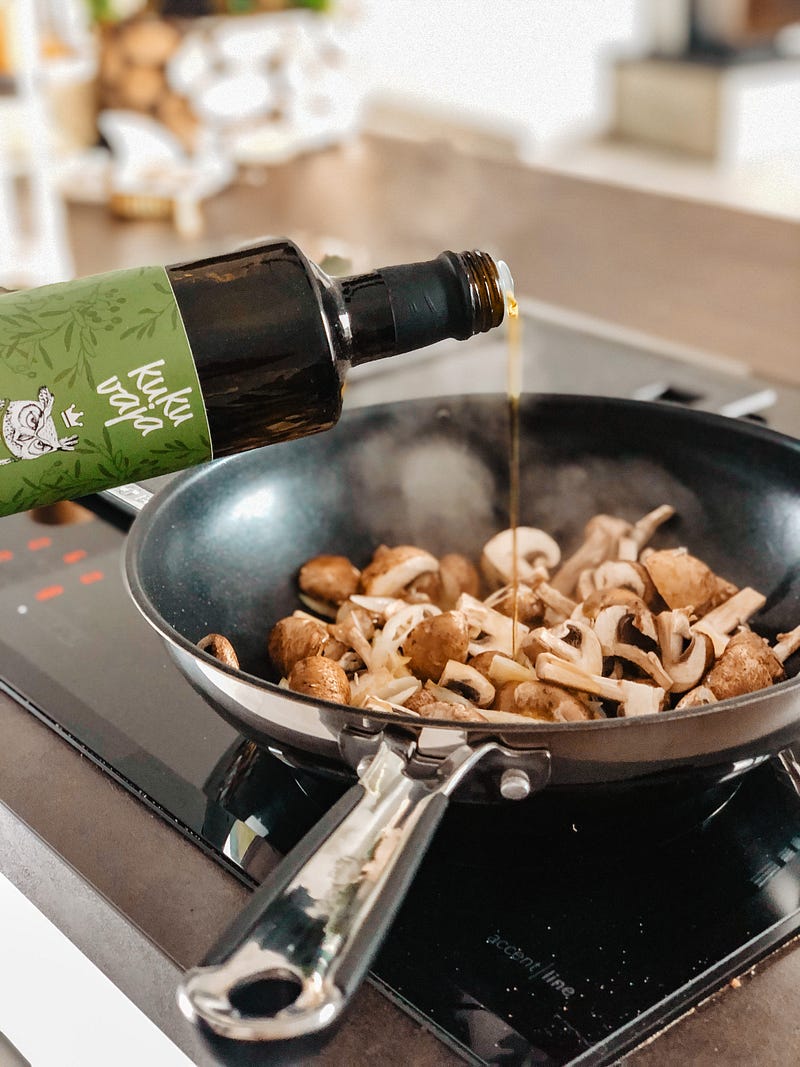
CANOLA OIL is hydrogenated oil. Over 90% of canola crops grown in the United States are genetically modified to improve oil quality and increase plant tolerance to herbicides.
Canola crops create canola oil and canola meal. The oil occurs in countless foods. Most of the animal feed contains the meal part of canola.
Canola oil can also serve as a biofuel alternative to diesel. Also, Canola oil provides an alternative to petroleum products like bioplastics. Its use in tires makes the product softer & more flexible.
Source; U.S.canola.com-Biofuels US.Canola Association.
Healthline reports some downsides of Canola Oil for cooking;
- Canola oil is high in omega 6 fat content. It may lead to an imbalance with omega 3’s, leading to increased inflammation.
2. Canola oil production involves high heat & exposure to chemicals.
3. The oil is GMO, refined, bleached & deodorized, and lacks antioxidants.
4. Animal studies found that canola oil may cause memory problems.
5. A research study in mice found that chronic exposure to a canola-rich diet increased body weight.
6. Aside from vitamins E and K, canola oil is not a good source of nutrients. In addition, it may contain transfats which raise the risk of heart disease.
Source; Evidence-Based Nutrition by Jillian Kubala MS RD February 7. 2019.Healthline Newsletter.
Canola — ScienceDaily 12/2017
The report says Canola oil in food links to worsened memory and learning ability leading to Alzheimer’s disease. The study of the mice experiment suggests that canola oil in food is more harmful than healthful to the brain.
Source; Temple University Health System 12/07/2017 in Science News, of Science Daily’s latest research. htps://www.sciencedaily.com
A ban on canola oil exists in Europe & other countries because it is a GMO product. Source; https://picasso-project.eu>canola. oil
Other oils in the kitchen;
Sunflower oil has Vitamin E, is low in saturated fat. But it releases toxic compounds like aldehydes in cooking fumes at higher temperatures. Some sunflower oils contain more omega 6.
Soybean oil is a vegetable oil extracted from the seeds of the soybean plant. It is a good oil for frying, baking, and roasting. But soybean oil is a refined oil, rich in omega-6 fats which can contribute to inflammation.
Coconut oil is a tropical oil derived from the flesh of coconuts. It contains saturated fats. It is rich in medium-chain fatty acids. Coconut oil is resistant to oxidation at high heat. It is rich in lauric acid that improves blood lipids, and it decreases the risk of heart disease.
Source; Healthline; Evidenced-Based Nutrition
Choose cooking oils based on their smoke point and degree of processing.
Olive Oil — the gold standard of cooking oils in kitchens across the globe. Its use is to saute, bake, or cold dressings. Studies show it has antioxidant, anticancer, and anti-inflammatory properties.
Avocado Oil — is ideal for high heat cooking like deep frying. Also, Animal studies reveal that avocado oil may help lower blood pressure, LDL cholesterol, and triglycerides.
Source; Healthline-Evidenced Based Nutrition.
We need to know about other additives to food.
Yeast extract or natural flavors is a food flavoring. It is the same yeast used to make bread & beer. Yeast extract is high in B vitamins & contains a natural glutamate which is a form of amino acid. Natural glutamate is in protein containing foods & is vital for metabolism & brain function.
Source; Healthline Newsletter- Peggy Pletcher M.S. R.D 10/12/2017
MSG —is the sodium salt of glutamate. Monosodium Glutamate is a food additive in commercial foods. MSG gives a special aroma. They produce it through the fermentation of plant ingredients such as sugar cane, sugar beets, cassava, or corn. Various articles cite MSG as a health hazards causing obesity, metabolic disorders & neurotoxic disorders as revealed in the article by EXCLI.
But the FDA reaffirms MSG safety based upon a report from the Federation of America Societies for Experimental Biology. (1995) Resource; foodinsight.org
Xanthan Gum is a polysaccharide & a common food additive. It is a thickening agent and food stabilizer to prevent ingredients from separating. They produce it by the fermentation of simple sugars. The name is from a species of bacteria, Xanthomonas Campestris. Xanthan gum is common in salad dressings, sauces, ice creams, gluten-free batter & toothpaste.
Source; 2017 Food safety review by EFSA E415 concludes no safety concern for the general population with xanthan gum for use as a food additive.
But the FDA gave a warning about the Xanthan product, “SimplyThick” It is not for use in premature infants since it may cause Necrotising Enterocolitis.
EDTA — ethylenediaminetetraacetic acid is an amino polycarboxylic acid. Its use is to bind to iron and calcium ions.They add EDTA to sodas, canned foods, salad dressings to help them keep their color & flavor.
EDTA can cause abdominal pain, nausea & vomiting, diarrhea, and low blood pressure. It is unsafe to use more than 3 grams of EDTA per day. Excess & prolonged use of EDTA can cause kidney damage, low calcium levels & even death.
Source; webmd.com
The use of EDTA in medicine is for chelation therapy, to treat heavy metal poison, and atherosclerotic disease. It is a prescription product given by an MD.
Source; ncbi.nlm.nih.gov/pmc/articles/PMC4146707/( National Center for Biotechnology Information.
SUGAR — The Harvard Health News Letter warns of the danger of added sugar to food. Sugar occurs in all carbohydrate foods. That means fruits, vegetables, grains, and dairy. They encourage comsumers to eat whole foods that contain natural sugars and plant foods with fiber, essential minerals, and antioxidants.
Problems occur when we add more sugar to the food. Studies show that excess sugar results in inflammation, high blood pressure, weight gain, and fatty liver disease.
Source; www.health.harvard.edu
The World Health Organization recommends limiting free sugars to less than 10% of our total energy intake. This equates to around 12 teaspoons a day for an average adult. The concern focusses on weight gain and visceral fat which increases the risk of heart disease and type 2 diabetes when glucose blood levels are higher than normal.
Source; https//:the conversation.com.

It is prudent to read labels and be mindful of the food we put into our bodies. We should live well, stay healthy, maintain good health habits, and stay informed. Thus we will increase longevity & decrease health risks.