
Food, Depression, and the Often Unhealthy Relationship Between Them
When “comfort food” becomes depression weight.
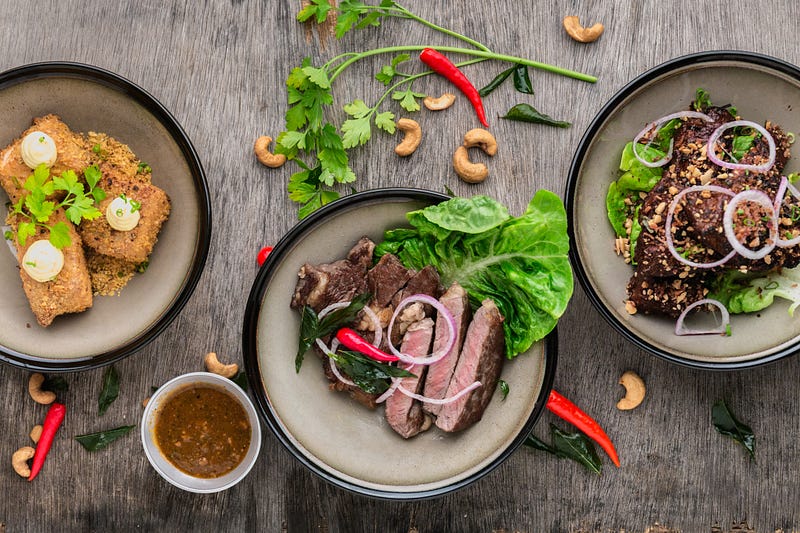
I like food. Probably more than is healthy, honestly. I have a huge sweet tooth, and I really enjoy all of the unhealthy stuff that I shouldn’t eat. My wife is the same — food is one of our love languages, to borrow the term. We like cooking tasty meals for each other, eating out at our favorite restaurants, and trying new cuisines.
Both of us enjoy cooking, and we enjoy trying new recipes and experimenting with throwing things together to see what sticks. For me, cooking isn’t necessarily relaxing, but it is something I enjoy to an extent. I have no trouble coming home from work and spending an hour cooking dinner for us on an average day.
Suddenly, depression
Unfortunately, being bipolar often means that I spend time depressed. Depression is a huge energy suck. It drains your will to do useful things, or often anything at all. I wake up feeling tired, drag myself through the workday, come home, and lack the energy to do anything but order takeout or chuck a frozen pizza in the oven.
This has all of the predictable effects. I overeat, I gain weight, I spend a lot of time on the couch and don’t exercise. Being depressed often means that you are consuming loads of unhealthy calories, fats, and sugars that your body doesn’t need while simultaneously not having the energy to move much.
Pints of Ben and Jerry’s are on sale a lot at my supermarket, and a single pint has over 1,200 calories. I can power through one with few issues when I’m depressed.
The thing about all of this is, eating these foods is about more than convenience for me. Because I enjoy tasty foods a lot, eating convenient foods is comforting. I think nothing of eating fried chicken and ice cream because it is tasty and makes me feel better, if only for a little bit. The sweet, greasy, delicious foods warm my little depressed soul.
When I am doing well, we often don’t eat a lot of fast food because I have the energy to cook more. My work lunches are often leftovers of the reasonably healthy meals that I prepare. These meals are often very delicious while also having some level of nutrition. Over the years, I’ve learned several recipes that are well-balanced and contain healthy ingredients.
The thing about depression is, while I could prepare a nutritious meal that tastes good, Burger King is right down the road and also tastes good. Yes, the prepared meal is healthier, but it takes 45 minutes to put together, while Burger King takes ten to get through the drive-thru and back home to watch Netflix.
Spending several months in a depressive state affects a lot of things: my waistline, my wallet, my energy level, and my overall mood. I pay for convenience in more ways than one. Takeout, while tasty, isn’t known for being particularly nutritious.
On top of that, while you can get a cheap meal for not a ton of money, doing it four times a week isn’t good for your budget. Poor quality food also leads to poor quality energy, and having lower energy ultimately makes me feel worse.
The effects of mania
Unfortunately, being in a manic episode often isn’t too much better. The lack of motivation to cook for yourself becomes the need for convenience to get other things done. Yeah, I could cook for myself, or I could eat Burger King while I write my third article today.
Then there’s the drive to try new things. There’s a new all-you-can-eat buffet opening up down the road? Let’s go try it! And we have to try all of the things to get our money’s worth. Of course we have the money to eat out again! I’ll just throw it on the credit card! I think $25 per person is totally worth it!
Thankfully, mania is a little easier to manage than depression. Yeah, we could go eat out to facilitate my side hustle, but there’s this new recipe that I want to try tonight! The grocery store had a special on cherries, so I bought five pounds of them! Holy shit I love roasted Brussel sprouts, let’s eat them four times this week!
What happens when you eat too much junk?
The effects on my waistline, energy, and mood are tangible feelings that I often have to deal with as a result of a manic or depressive episode. Gaining 30 pounds is not conducive to pulling yourself out of depression, especially when you lack the energy to properly do something about it. Eventually, however, my brain cycles itself out of the depressive state and I have more energy to address it.
Unfortunately, depression or mania also leaves a crater in my budget that I have to deal with afterward. In my last depressive episode, spanning a few months, I estimate that I spent somewhere around $500 eating takeout and restaurant meals. There is little to be done about it except pay off my card and curse past me for making poor choices, even though I remember that I lacked the motivation to do anything at the time.
So, what are some things you can do to avoid this particular pitfall?
Exercise is often a way to help. Having a routine gives you more energy and a better mood, even when you’re depressed, and I find that a routine helps keep me more level. Plus, if you’re eating a lot of depression calories anyway, exercise will help mitigate weight gain.
Pre-making your meals is another way to help. If you find that you have energy on your days off, try to set up some easy meals for yourself that require little energy. A crockpot is good for this, as a lot of crockpot recipes consist of “put everything in the crockpot, turn on the crockpot, go to work, come home to dinner.” This is also good for mania, as it eats up very little time so you can go back to writing your next novel.
Meal planning is also good, although it doesn’t have to be just before you need it. If you have some go-to easy meals, make a few standard meal plans and keep a lot of the ingredients on hand. If you find yourself in a depressive funk, pull out one of your existing meal plans and use it. Having to pull one existing meal plan out of your files is much easier than figuring out five meals for the week.
Enlisting your partner to help is also good. If you share cooking duties, you may have to ask them to pick up some slack. You can also have them motivate you to exercise when you don’t feel like it or try to talk you down from spending money on the latest trendy pop-up restaurant. Having them do the shopping can also help prevent you from loading up on junk foods.
Right now, I’m quite up in my weight from months of depression spurred on by work stress, deadlines, and long hours. We are making a conscious effort to eat better, including more home-cooked meals and veggies.
As with any of your depressive or manic symptoms, knowing what you are prone to doing can help mitigate the effects. Since food is one of my vices, I know that I need to try to eat better foods when I am depressed and move around more. I also need to work on mitigating my impulse spending when I’m manic.
Coping with mental illness is an ongoing process, and I expect that I will always be dealing with this in some way or another. I hope that the steps I’m taking now will help me down the road when I’m next depressed and that getting a habit burnt into my routine now will help me keep it down the line. Ultimately, I will keep striving to be healthier and better. Just don’t take my steak away.


