
Followers Wanted It, So We Delivered
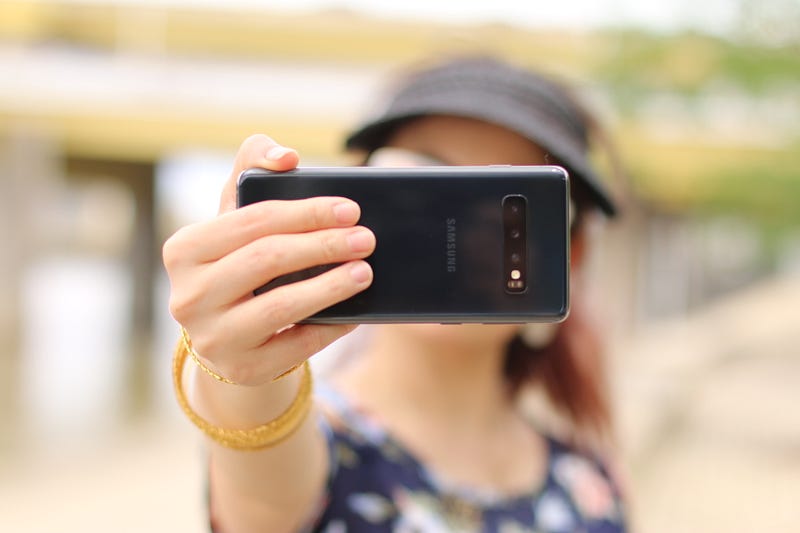
In today’s digitalized world, social media shape our identity. We spend a lot of time on Facebook, Instagram, Twitter, and streaming platforms to, mostly, consume and, sometimes, post different kinds of content. Indeed, we rely on these platforms as a means of self-expression. But the main issue is that some people find it difficult to identify what real identity in these virtual spaces is. The fact of the matter is that, more often than not, denizens of social media platforms are looking good from afar, but far from good.
The Internet has changed everything in the world dramatically. In the last decade, for example, with the advent of Netflix as a media monster the function of cinema has changed. Netflix and its competitors like Amazon Prime, HBO and the like could never represent Hollywood’s golden age. The reason is related to the influence audiences have on movie plots. These streaming services are making movies according to people’s data and tastes. In other words, they deliver movies which their audiences want (1).
Unlike the real world, social media and streaming platforms identify people based on numbers and statistics. Likes, comments, shares or other engagement metrics on social media make our identity for them. We are inclined to create and publish content on social media, which has a good impression. Like Netflix’s strategy, we self-represent according to followers’ tendency.
On Instagram, as a popular social media platform around the world, users post Instagramable content. Cambridge Dictionary defines instagramable as “attractive or interesting enough to be suitable for photographing and posting on the social media service Instagram.”
All over Instagram people are happy and life is beautiful, and everything is incredibly dreamy. Users would rather speak about aspects of their daily life with instagramable content that increases engagement rates. Consequently, likes, shares, and comments by followers determine what we should share about our lives, and how we should manipulate our identity for more engagement.
So, it does not mean that we lie and want to represent an incomplete image of ourselves on social media platforms but usually people are more likely to only talk about the positive side of their lives and not represent everything. This approach can shape an incomplete image of us for other people by whom we might be judged as good from afar.
Reference
1- Daily Jstor | Are You Still Watching? | By: Kristin Hunt